$84.19K
1
1

1 market tracked

No data available
| Market | Platform | Price |
|---|---|---|
![]() | Poly | 14% |
Trader mode: Actionable analysis for identifying opportunities and edge
For the purposes of this market, a Category 5 hurricane is a hurricane with maximum sustained winds of 157 mph or higher, as described at https://www.nhc.noaa.gov/aboutsshws.php, and a hurricane landfall is said to occur when the hurricane's surface center intersects with the coastline, as described at https://www.nhc.noaa.gov/aboutgloss.shtml#LANDFALL. This market will resolve to "Yes" if any storm makes landfall in the conterminous United States as a Category 5 hurricane, as reported in offi
Prediction markets currently give about a 1 in 8 chance that a Category 5 hurricane will hit the U.S. coastline before 2027. This means traders collectively see it as unlikely, but not impossible. A Category 5 storm has sustained winds of at least 157 mph and causes catastrophic damage. The market's low probability suggests most bettors think the U.S. will avoid a direct hit from a storm of that extreme intensity in the near term.
Two main factors explain the low odds. First, Category 5 landfalls are historically rare. Only four have been recorded in U.S. history: the 1935 Labor Day Hurricane, Hurricane Camille in 1969, Hurricane Andrew in 1992, and Hurricane Michael in 2018. Even in active hurricane seasons, most major storms weaken or veer away before hitting the coast at peak intensity.
Second, while sea surface temperatures are warmer, which can fuel stronger storms, other atmospheric conditions like wind shear often disrupt hurricane formation or peak strength at landfall. The market may be weighing the historical rarity more heavily than the potential for unprecedented conditions.
The Atlantic hurricane season runs from June 1 to November 30 each year. The peak activity typically occurs from mid-August through October. The main events to watch are the official seasonal forecasts released by agencies like NOAA and Colorado State University, usually in April through June. An updated forecast predicting an extremely active season, especially one with high odds for major hurricanes, could shift these predictions. The actual formation and track of any major hurricane in the Atlantic basin will be the ultimate signal.
Prediction markets are generally decent at aggregating expert opinions on yes/no outcomes, but they have limits here. The historical sample size for Category 5 U.S. landfalls is very small, making long-term odds hard to calculate. Markets can also be influenced by recent memory, like the destruction from Hurricane Michael. While they reflect the current consensus, a single unpredictable storm can defy the odds. For low-probability, high-impact events like this, the market is better at showing the baseline expectation than guaranteeing an outcome.
Prediction markets assign a low 12% probability to a Category 5 hurricane striking the U.S. coastline before the end of 2026. This price indicates the consensus views such an event as unlikely within this timeframe. For context, a 12% chance translates to roughly a 1-in-8 possibility, a risk level the market deems significant but not probable.
Two primary elements suppress the probability. First, the historical record shows extreme rarity. Only four Category 5 hurricanes have made U.S. landfall in recorded history: the 1935 Labor Day Hurricane, 1969's Camille, 1992's Andrew, and 2018's Michael. The long average time between events, over 20 years, anchors market expectations toward low annualized odds. Second, while sea surface temperatures in the Atlantic are elevated, creating more potential energy for storms, the specific atmospheric conditions required to spin up a Cat 5 and then steer it onto U.S. shores are exceptionally narrow. Markets are pricing in this high climatological bar.
The odds will be most sensitive to actual storm development and forecasts during the active Atlantic hurricane seasons, which run from June through November each year. A single powerful storm entering the Gulf of Mexico or approaching the Southeast coast could cause the "Yes" share price to spike rapidly, especially if forecast models show a credible landfall threat. Conversely, a quiet start to the 2025 or 2026 seasons would likely push probabilities lower. It is a low-probability, high-impact market where prices will remain stable for months until directly threatened by a specific weather system.
AI-generated analysis based on market data. Not financial advice.
$84.19K
1
1
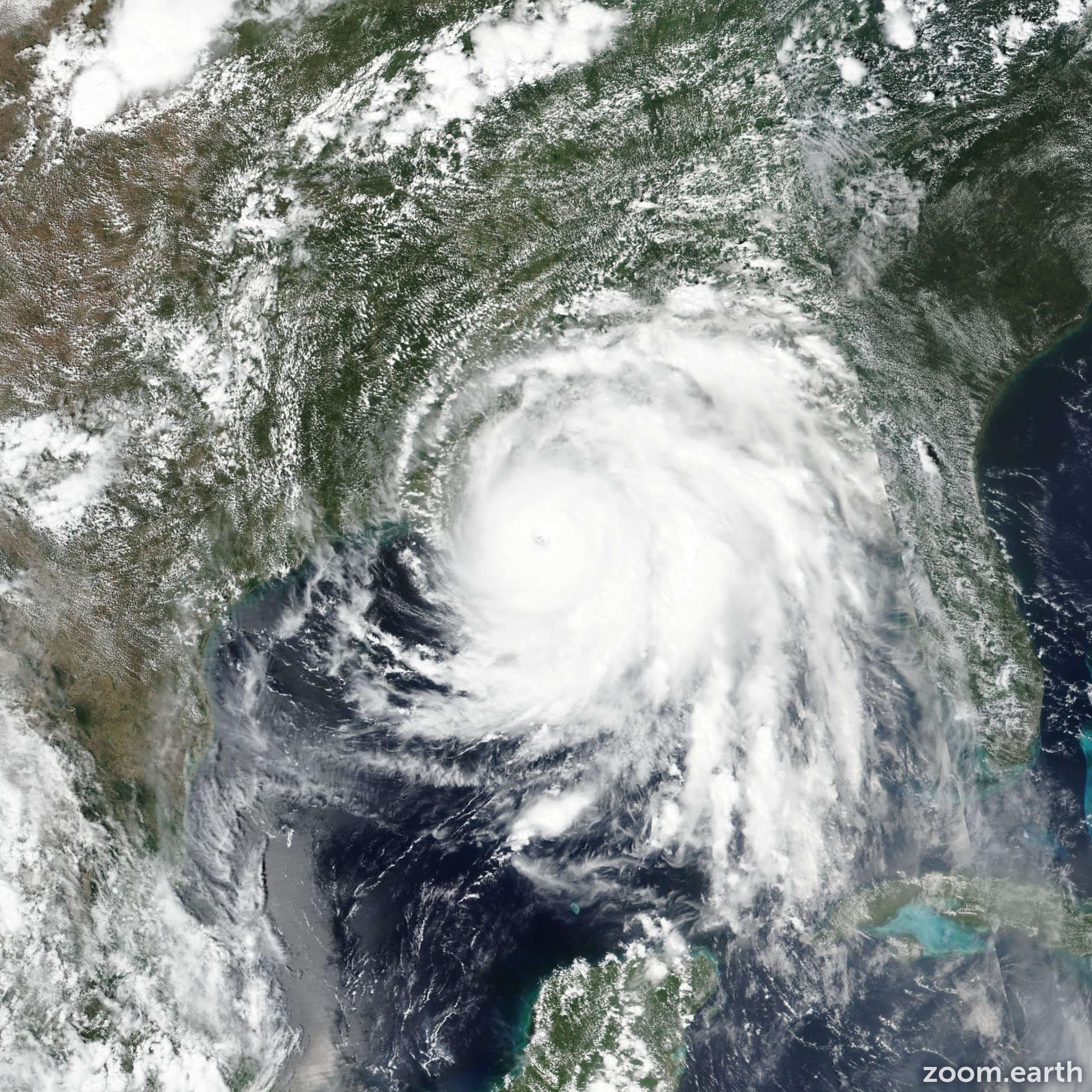
This prediction market topic concerns the probability of a Category 5 hurricane striking the continental United States before the end of 2026. A Category 5 hurricane, the highest classification on the Saffir-Simpson Hurricane Wind Scale, is defined by maximum sustained winds of at least 157 miles per hour. Landfall is the moment when the storm's eye, or surface center, crosses a coastline. The market resolves based on official reports from the National Hurricane Center, a division of the National Oceanic and Atmospheric Administration. The question directly addresses a rare but catastrophic meteorological event with significant implications for public safety, infrastructure, and climate science. Interest in this market stems from a combination of scientific research on hurricane intensification, historical rarity, and the high-stakes consequences of such a landfall. Recent hurricane seasons have featured storms that rapidly intensified to major hurricane status, fueling scientific and public discourse about whether warming ocean temperatures are increasing the likelihood of extreme events reaching Category 5 strength at landfall. This market serves as a collective assessment of risk, synthesizing data from seasonal forecasts, climatological patterns, and contemporary atmospheric conditions.
Category 5 hurricane landfalls in the United States are exceptionally rare events. Only four such landfalls have been recorded in reliable history. The Labor Day Hurricane of 1935 struck the Florida Keys with estimated winds of 185 mph, causing over 400 deaths. Hurricane Camille made landfall in Mississippi in 1969 with winds around 175 mph, leading to catastrophic storm surge. Hurricane Andrew hit South Florida in 1992 as a Category 5, with winds of 165 mph causing $27.3 billion in damage (adjusted to 2020 dollars). Most recently, Hurricane Michael in 2018 made landfall in the Florida Panhandle with winds of 160 mph; it was upgraded to Category 5 status in post-storm analysis. The period between Andrew (1992) and Michael (2018) was 26 years, demonstrating the infrequency of these events. However, several storms have come very close to achieving Category 5 status at landfall in recent years, such as Hurricane Ida in 2021, which was a high-end Category 4. This historical pattern sets a baseline of rarity against which current climatic conditions are measured.
A Category 5 hurricane landfall would be a national disaster with profound human and economic costs. The wind damage would be catastrophic, likely destroying a high percentage of well-built framed homes and causing widespread power outages that could last for months. More critically, such a storm would generate a devastating storm surge, potentially 18 feet or higher above normal tide levels, which is the deadliest hazard for coastal communities. The financial impact would be staggering, with insured losses potentially exceeding $100 billion, straining the national insurance and reinsurance markets and requiring massive federal disaster relief. Such an event would immediately intensify political debates over climate change adaptation, coastal development policies, and the adequacy of building codes. It would test federal, state, and local emergency management systems to their limits and could permanently alter vulnerable coastal regions.
The 2024 Atlantic hurricane season is forecast to be extremely active. Colorado State University's April 2024 forecast predicted 23 named storms, 11 hurricanes, and 5 major hurricanes, citing record warm Atlantic sea surface temperatures and the expected development of La Niña conditions. The NOAA forecast issued in May 2024 echoed this, calling for an 85% chance of an above-normal season. These conditions are considered favorable for rapid intensification, a process where a storm's winds increase by at least 35 mph in 24 hours, which is a key mechanism for producing Category 5 hurricanes. The seasonal forecasts do not predict landfall locations, but an increased number of major hurricanes statistically raises the probability of a US landfall. The first named storm of 2024 formed in late June.
Yes, but only four times in recorded history. The storms are the 1935 Labor Day Hurricane (Florida Keys), Hurricane Camille (Mississippi, 1969), Hurricane Andrew (Florida, 1992), and Hurricane Michael (Florida, 2018).
The primary difference is wind speed. Category 4 hurricanes have sustained winds of 130-156 mph, while Category 5 begins at 157 mph. In practical terms, Category 5 winds cause catastrophic damage where most framed homes will be destroyed, whereas Category 4 damage is severe but some walls may remain standing.
Florida has experienced three of the four Category 5 landfalls (1935, 1992, 2018), making it the most historically vulnerable state. Its extensive coastline and location in the warm Gulf of Mexico and Atlantic basin increase its exposure.
Climate science indicates warming ocean temperatures provide more energy for storms, potentially increasing the proportion of hurricanes that reach major (Category 3+) and Category 5 intensity. It may also increase the rate of rapid intensification, though the total number of storms may not change.
The last Atlantic hurricane to reach Category 5 strength was Hurricane Lee in 2023, which peaked over the open ocean. The last to make landfall anywhere at that intensity was Hurricane Otis, which struck Acapulco, Mexico, in October 2023.
Educational content is AI-generated and sourced from Wikipedia. It should not be considered financial advice.

No related news found
Add this market to your website
<iframe src="https://predictpedia.com/embed/0loaGs" width="400" height="160" frameborder="0" style="border-radius: 8px; max-width: 100%;" title="Will any Category 5 hurricane make landfall in the US in before 2027?"></iframe>