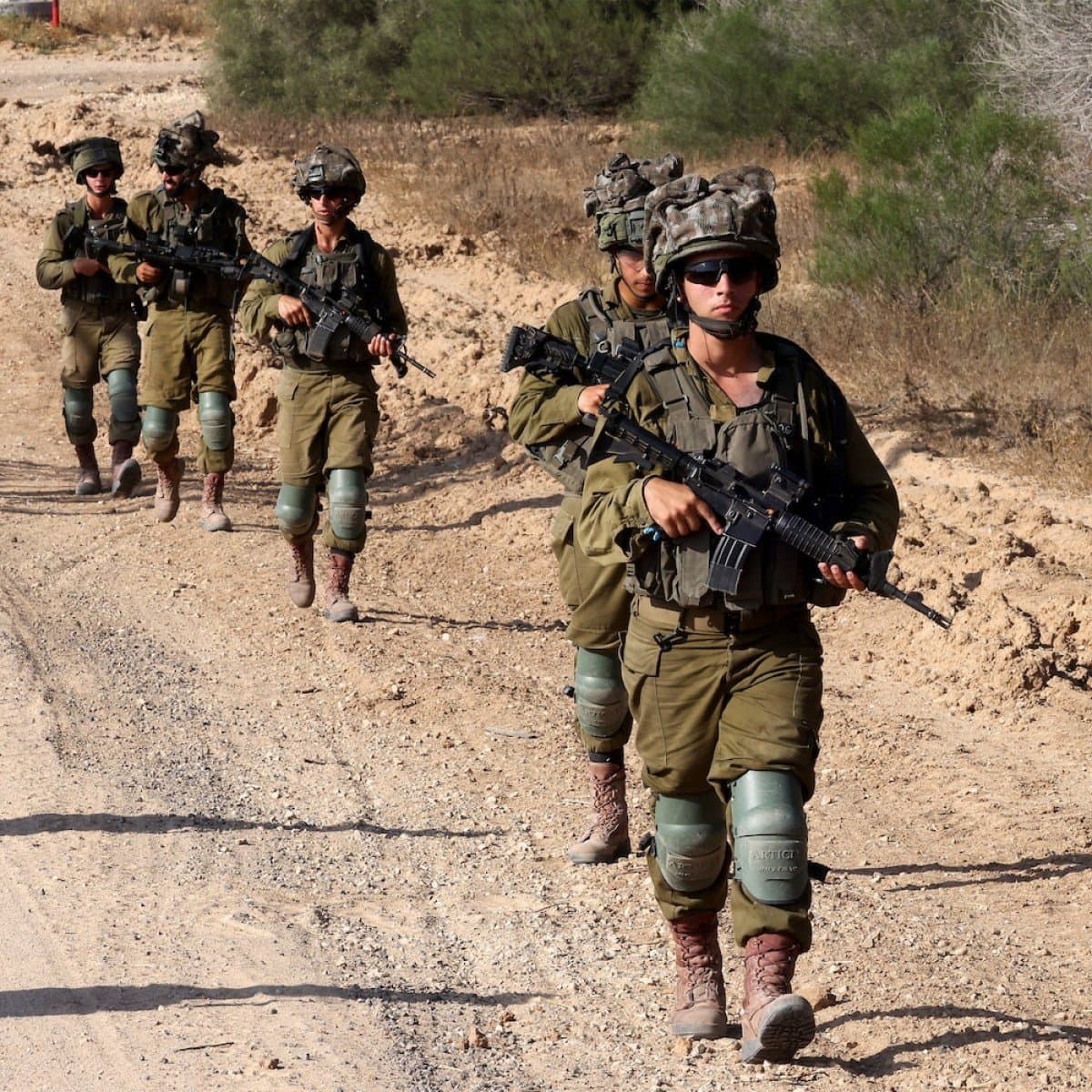
Israel ground operation in Iran confirmed by...?
PM $1.75M
1
1
Israel ground operation in Iran confirmed by...?
PM $1.75M
1
1
Current odds
Snapshot from
As of Oct 26, 2026, 12:00 PM UTC, the highest-priced outcome on Polymarket is December 31 at 12.5%.
Polymarket
- December 3112.5%
Yes prices. They are not order quotes; check each platform's rules, fees and live prices before trading.
AI Analysis
Trader mode: Market mechanics, assumptions and risks
PM $1.75M
Reported volume · provider units
1
Saved contracts
0
Same-question pairs
Source snapshot: Oct 26, 2026, 12:00 PM UTC
About This Event
This market will resolve to "Yes" if participation by Israeli military personnel in a ground operation in Iran on or after February 28, 2026, is confirmed by the specified date, 11:59 PM ET. Otherwise, this market will resolve to “No”. A "ground operation" is defined as a military operation that involves Israeli military ground forces conducting operations within Iranian territory. For the purposes of this market, aerial and maritime operations will not be considered. Only operations involving Israeli troops on the ground within the terrestrial territory of Iran will qualify. Official confirmation by the Israeli military of personnel operating on the ground within Iranian territory during the specified timeframe will resolve this market immediately. An overwhelming consensus of credible reporting confirming that the Israeli military personnel operated on the ground within Iranian territory durring the specified timeframe will also suffice. Qualifying confirmations include statements such as the June 25, 2025, statement by IDF Chief of Staff Lt.-Gen. Eyal Zamir confirmed that Israeli commando forces operated covertly on the ground inside Iran during the 12-day war. Confirmations referring only to non-military Israeli intelligence activity, including operations by the Mossad or Shin Bet, as well as airstrikes, cyberattacks, standoff weapons, remote sabotage, or actions by proxies or third parties without Israeli military presence, will not alone qualify. Incidents that would not alone suffice include the November 2025 Mossad statement indicating its agents were present during protests in Iran, or the July 31, 2024, assassination of Hamas leader Ismail Haniyeh in Tehran, widely attributed to Mossad agents. The primary resolution source for this market will be official information by the Israeli military; however, an overwhelming consensus of credible reporting will also suffice.
AI-generated analysis based on market data. Not financial advice.
AI-written background. References identify the evidence used; Wikipedia links under Learn More are additional reading. Prices and provider rules are dated snapshots. This is not financial advice.
Related prediction markets
Prices are catalog snapshots and may have changed. Check each market's rules and observation time.
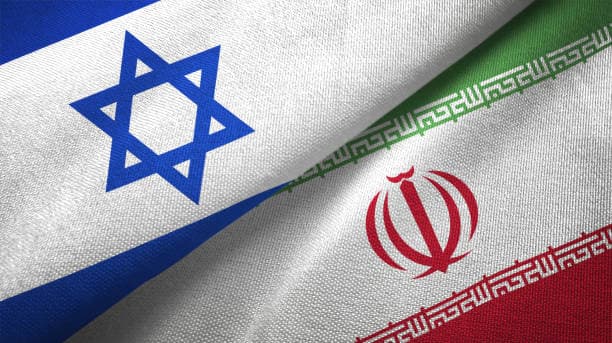
Israel x Iran ceasefire continues through...?
PM $39.33M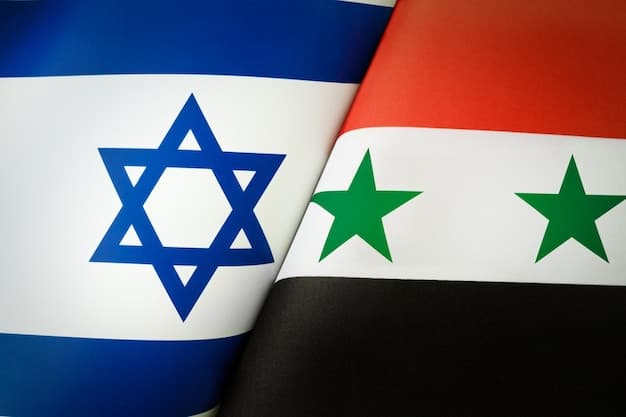
Which countries will normalize relations with Israel before 2027?
PM $6.35M · K 508.0K contractsIsrael and Saudi Arabia normalize relations before 2027?
Kalshi: Will Israel and Saudi Arabia normalize relations before Jan 20, 2029?
Related contracts
Israel and Syria normalize relations by December 31, 2026?
Kalshi: Will Israel and Syria normalize relations before Jan 20, 2029?
Related contracts
Israel and Lebanon normalize relations before 2027?
Kalshi: Will Israel and Lebanon normalize relations before Jan 1, 2027?
Same question, fine print differs
Related or unreviewed contracts may settle differently. Their gap is not an equivalent-contract comparison.
Saved prices; check contract rules.

Which countries will recognize Israel by December 31?
PM $953.7K
Will Israel reopen its embassy in Iran in 2026?
PM $195.7K
What will Trump say during his rally in Corpus Christi, Texas?
K 178.0K contracts
What will Trump say during his rally in Lubbock, Texas?
K 98.0K contractsMarket Insights
Price gaps of 2 pp+
0
Same-question pairs
0
No outcomes on this page have been reviewed as the same question on both platforms yet.
Price differences do not establish arbitrage. Check each pair's review, current order prices, fees and settlement rules.