$86.15K
1
10

$86.15K
1
10
Trader mode: Actionable analysis for identifying opportunities and edge
This market will resolve according to the name ranked #1 on the Bloomberg Billionaires Index on March 31, 2026, 5:30 PM ET. The primary resolution source for this market will be the Bloomberg Billionaires Index (https://www.bloomberg.com/billionaires/). If the data for the specified date is not released by March 31, 2026, 11:59 PM ET, the Forbes Real-Time Billionaires List will be used (https://www.forbes.com/real-time-billionaires/#6aa3f0213d78). If neither source provides the specified date's
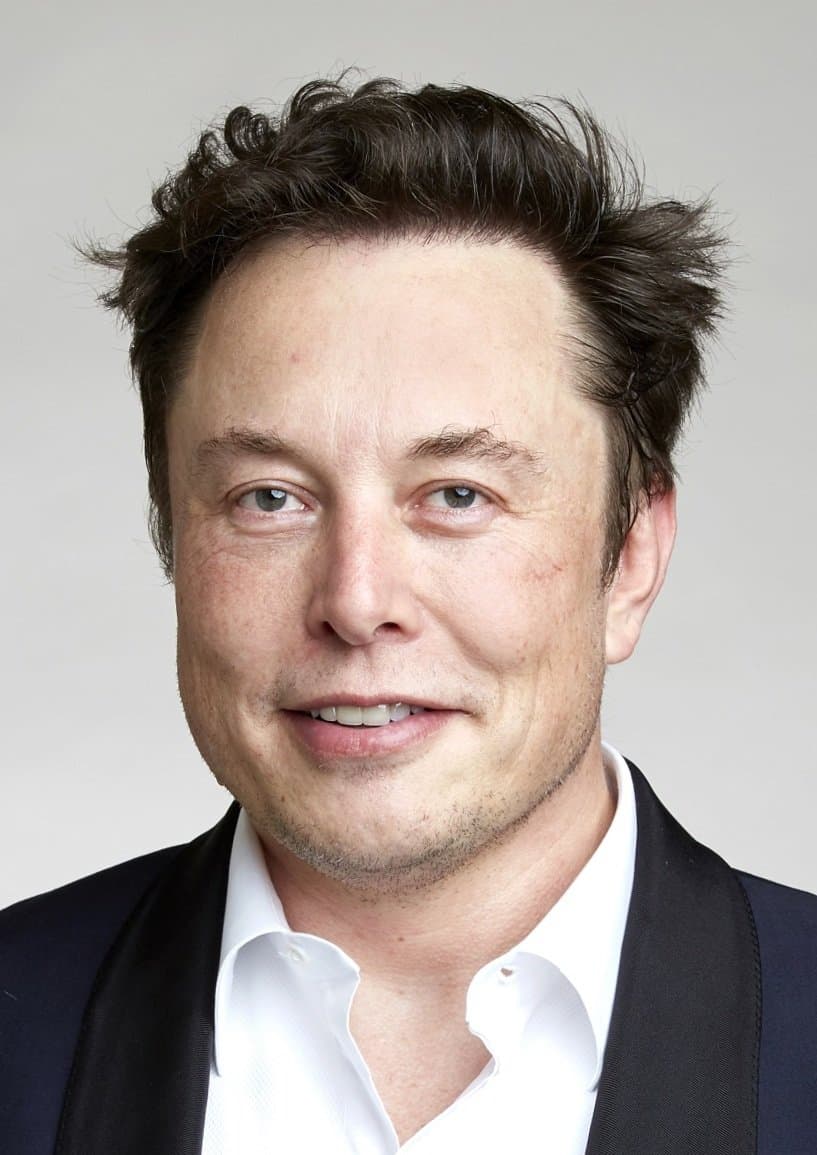
Prediction markets currently assign a near-certain probability to Elon Musk retaining his title as the world's richest person on March 31, 2026. The specific contract "Will Elon Musk be richest person on March 31?" is trading at 98 cents on Polymarket, implying a 98% chance. This overwhelming consensus indicates traders see almost no plausible near-term scenario where Musk is unseated. The market's high conviction is notable given the 75-day timeframe, which in finance and technology is sufficient for significant volatility.
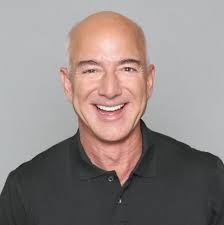
Two primary factors are solidifying this market view. First, the structural anchor of Musk's wealth: his holdings in Tesla and SpaceX. Tesla's stock, despite volatility, remains a massive pillar, while SpaceX's continued dominance in launch services and Starlink's growth trajectory provide a diversified and appreciating asset base that is largely unmatched. Second, the significant gap between Musk and his closest rivals, primarily Bernard Arnault of LVMH and Jeff Bezos of Amazon. As of early 2024, Musk's lead has consistently been tens of billions of dollars. This wealth buffer makes a change in ranking within a 75-day window a low-probability event, requiring an extraordinary surge from a competitor or a catastrophic drop in Musk's key assets.
Despite the high confidence, the remaining 2% probability reflects tail-risk scenarios. A sharp, sustained downturn in Tesla's stock price, triggered by weaker-than-expected earnings or a major macroeconomic shock targeting growth stocks, could erode Musk's wealth lead. Conversely, a dramatic surge in the share price of LVMH or Amazon, perhaps driven by blockbuster earnings or a major strategic announcement, could narrow the gap. The most likely catalyst for volatility would be company-specific earnings reports from Tesla, Amazon, or LVMH released between now and the resolution date. Any major, unexpected news regarding SpaceX's valuation or a significant change in Musk's ownership stake could also impact the calculus.
This market is trading exclusively on Polymarket, with a notable volume of $86,000. While this volume indicates active trader interest, it is considered thin relative to larger geopolitical or financial event markets. This thin liquidity can sometimes exaggerate price moves on incremental news. The absence of a comparable market on platforms like Kalshi prevents arbitrage opportunities and means the 98% price is the sole concentrated expression of market sentiment on this specific question.
AI-generated analysis based on market data. Not financial advice.
This prediction market focuses on identifying who will be the world's richest person on March 31, 2026, as determined by the Bloomberg Billionaires Index. The market resolves based on the individual ranked number one on that specific date at 5:30 PM Eastern Time. The Bloomberg Billionaires Index is a daily ranking of the world's wealthiest individuals, calculating net worth by tracking changes in the value of public holdings, private assets, and other investments. This topic captures intense public and financial interest in the volatile competition for global wealth supremacy, a position that has shifted frequently among a small group of technology and luxury magnates in recent years. Interest stems from the significant economic influence wielded by these individuals, whose fortunes are tied to the performance of major public companies like Tesla, LVMH, Amazon, and Meta. The outcome depends on stock market fluctuations, corporate earnings, geopolitical events, and personal financial decisions over the next two years, making it a complex forecast of financial and business trends.
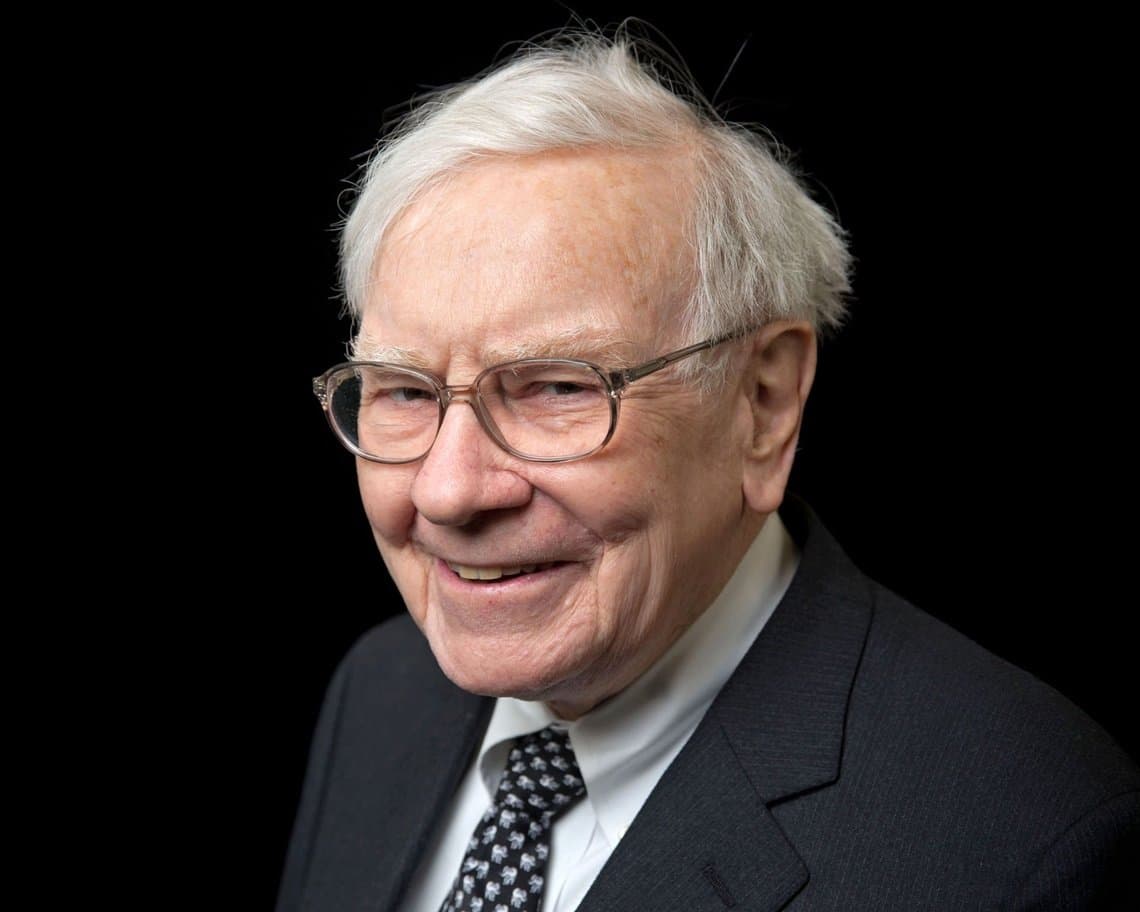
The competition for the title of world's richest person has evolved dramatically over the past three decades. For much of the 1990s and early 2000s, the list was dominated by heirs to family fortunes and individuals in retail and commodities, such as the Walton family (Walmart) and Warren Buffett. The rise of the internet and technology sector fundamentally shifted this landscape. Microsoft co-founder Bill Gates held the top spot consistently from the mid-1990s until being briefly overtaken by Amazon's Jeff Bezos in 2017. Bezos then solidified his position until 2021. The 2020s have been marked by unprecedented volatility at the very top. Elon Musk first claimed the number one ranking in January 2021, driven by a massive surge in Tesla's valuation. Since then, he and Bernard Arnault have traded the position multiple times, sometimes within the same week, reflecting the sensitivity of their fortunes to daily market movements. This era is defined by the clash between new wealth from disruptive technology and electric vehicles and established wealth from luxury consumer brands. The Forbes Real-Time Billionaires List has served as a secondary benchmark during this period, often showing slight variations in ranking and net worth calculations compared to Bloomberg.
The identity of the world's richest person is more than a financial curiosity, it serves as a barometer for global economic trends and sectoral dominance. When a tech executive leads, it signals market confidence in innovation and growth industries. When a luxury magnate leads, it may indicate stability in consumer spending among the wealthy or caution in technology investments. This ranking influences public perception of economic opportunity and inequality, often fueling debates about wealth concentration, taxation, and the social responsibilities of ultra-high-net-worth individuals. The fortunes of these individuals are directly tied to the performance of massive public companies that employ hundreds of thousands of people and impact millions of shareholders. Significant shifts in their net worth can affect investor sentiment, corporate strategy, and even geopolitical narratives about national economic power.
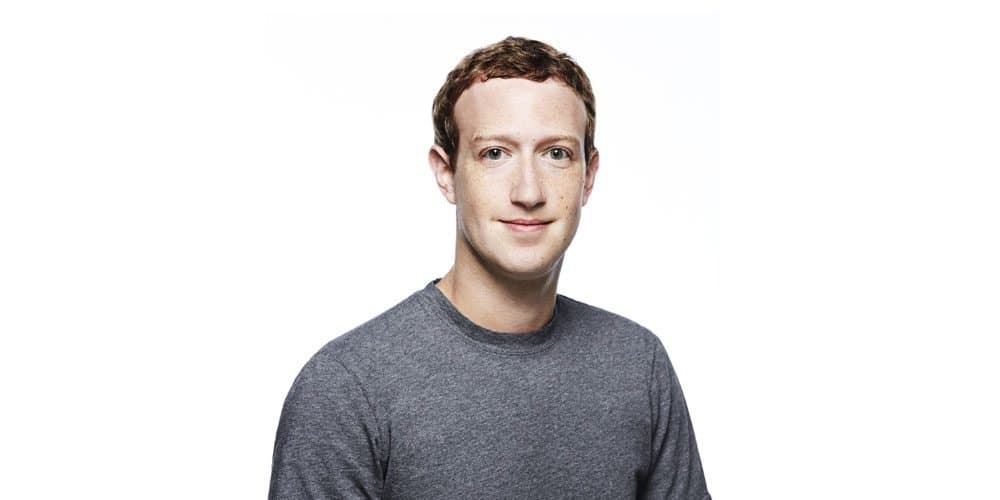
As of late 2024, Bernard Arnault and Elon Musk continue their close rivalry for the top position, with the lead changing periodically based on stock market performance. Arnault has held a relatively consistent lead in recent months, benefiting from strong earnings reports from LVMH and stability in European luxury markets. Musk's fortune remains closely tied to Tesla's stock, which has faced challenges related to electric vehicle demand competition and margin pressures. Jeff Bezos and Mark Zuckerberg remain within striking distance, with their fortunes bolstered by strong performances in cloud computing (AWS) and digital advertising (Meta), respectively. The field remains highly dynamic, sensitive to quarterly earnings reports, macroeconomic indicators on interest rates, and geopolitical developments.
The Bloomberg Billionaires Index calculates net worth by valuing individuals' publicly traded holdings using current market prices and applying a discount for large blocks that might be less liquid. For private assets, it uses financial disclosures, comparable public company valuations, and transactions involving similar assets to estimate value. The index is updated at the close of every trading day in New York.
The primary differences lie in methodology and update frequency. Bloomberg's index is updated daily, while Forbes updates its real-time list continuously but is known for its annual definitive list. They may use slightly different valuations for private companies and apply different discounts or premiums, which can lead to variations in ranked order and net worth figures for the same individual on the same day.
Since Jeff Bezos was overtaken by Elon Musk in 2021, the top position has been exclusively held by either Musk or Arnault. Before that, Bezos held the top spot consistently from 2017 to 2021, following Bill Gates's long tenure. Other individuals like Mark Zuckerberg and Gautam Adani have briefly approached but not securely held the number one ranking in this recent volatile period.
Rankings change frequently because the top fortunes are overwhelmingly concentrated in shares of a few mega-cap public companies like Tesla, LVMH, Amazon, and Meta. Since these individuals own such large percentages, even normal daily stock price movements of 2-5% translate into billions of dollars gained or lost, easily enough to swap the positions of people whose net worths may be separated by only a few billion.
A new person could reach the top by 2026 through an extraordinary surge in their company's valuation, such as a breakthrough in artificial intelligence, a major new product line, or a successful spin-off of a private asset into the public markets. Alternatively, a significant decline in the stock prices of Tesla or LVMH, combined with stability or growth in another contender's assets, could propel someone like Mark Zuckerberg or Larry Page into the lead.
Educational content is AI-generated and sourced from Wikipedia. It should not be considered financial advice.
Share your predictions and analysis with other traders. Coming soon!
10 markets tracked

No data available
| Market | Platform | Price |
|---|---|---|
![]() | Poly | 98% |
![]() | Poly | 1% |
![]() | Poly | 0% |
![]() | Poly | 0% |
![]() | Poly | 0% |
![]() | Poly | 0% |
![]() | Poly | 0% |
![]() | Poly | 0% |
![]() | Poly | 0% |
![]() | Poly | 0% |


No related news found
Add this market to your website
<iframe src="https://predictpedia.com/embed/1dytqO" width="400" height="160" frameborder="0" style="border-radius: 8px; max-width: 100%;" title="Richest person on March 31?"></iframe>