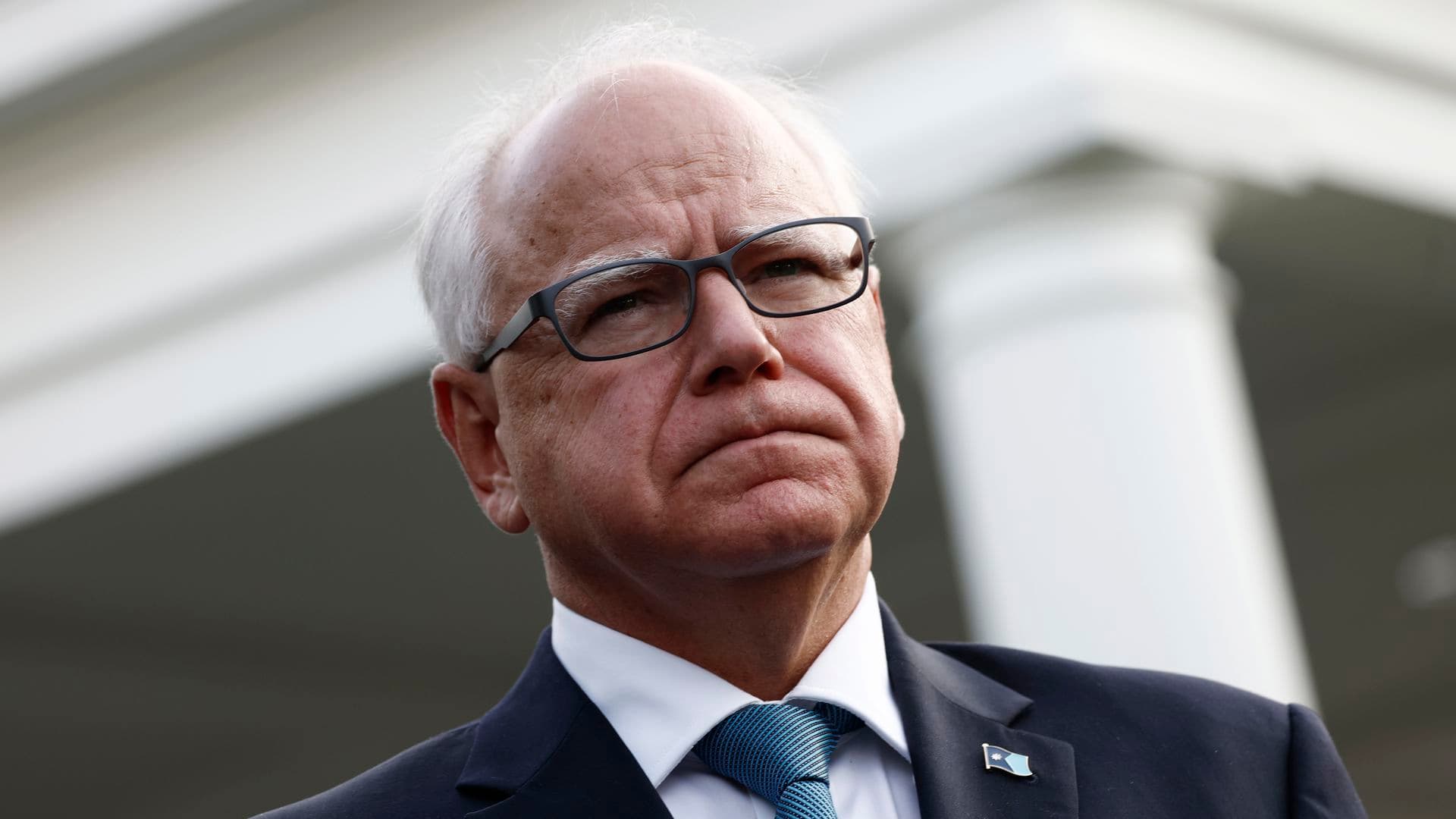
Tim Walz charged by...?
PM $525.4K
1
1
Tim Walz charged by...?
PM $525.4K
1
1
Current odds
Snapshot from
As of Oct 21, 2026, 3:00 AM UTC, the highest-priced outcome on Polymarket is Before 2027 at 3.9%.
Polymarket
- Before 20273.9%
Yes prices. They are not order quotes; check each platform's rules, fees and live prices before trading.
AI Analysis
Trader mode: Market mechanics, assumptions and risks
PM $525.4K
Reported volume · provider units
1
Saved contracts
0
Same-question pairs
Source snapshot: Oct 21, 2026, 3:00 AM UTC
About This Event
This market will resolve to “Yes” if any Federal or State jurisdiction of the United States formally charges or otherwise announces a criminal indictment of Governor Tim Walz by March 31, 2026, 11:59 PM ET. Otherwise, this market will resolve to “No”. For the purposes of this market the District of Columbia and any county, municipality, or other subdivision of a State shall be included within the definition of a State. The primary resolution source for this market will be official information from US governmental sources, however a wide consensus of credible reporting will also be used.
This analysis is awaiting a background update, so its prices may be older than the odds above.
Current Market Outlook
The market is pricing a Tim Walz indictment before December 31, 2026 at 18%. That is a low probability, roughly a 1 in 5 chance. The market sees this as a possible but unlikely outcome. The $499K in volume is moderate for a niche political market, suggesting real money is at stake but the topic has not drawn huge speculative interest.
The market covers any federal or state criminal charge, including from local jurisdictions. That is a broad trigger. A single county prosecutor filing charges would resolve to Yes. The bar is low, yet the market still says No is the heavy favorite.
Key Factors Driving the Odds
The 18% price reflects two realities. First, no credible prosecutor has signaled an intent to charge Walz. No grand jury subpoenas, no public investigations, no leaks from state attorneys general. The market is pricing the absence of smoke.
Second, Walz faces political heat over his handling of the 2020 George Floyd protests in Minnesota. Republican lawmakers have called for investigations into his deployment of the National Guard and the state patrol response. But those are political attacks, not criminal referrals. The Minnesota Attorney General, Keith Ellison, is a Democrat and unlikely to pursue charges against a fellow Democrat.
The low volume also tells you something. If there were serious legal jeopardy, more money would pile into Yes. The 18% is mostly speculators betting on a longshot, not informed insiders.
What Could Change These Odds
A 2025 or 2026 Republican sweep of Minnesota state government could change the picture. If a GOP attorney general takes office in January 2027, that person could launch investigations into Walz’s pandemic-era nursing home policies or the protest response. But the market closes December 31, 2026, meaning any charges would have to come during Walz’s current term or shortly after.
A whistleblower complaint from inside the Minnesota Department of Public Safety or a federal civil rights investigation referral could also move the odds. But neither has materialized.
The most likely path to Yes is a surprise local prosecutor, like a county attorney in a conservative rural district, filing a low-grade charge for something like misuse of state aircraft or an obscure campaign finance violation. That scenario is possible but not probable, which is exactly what 18% means.
AI-generated analysis based on market data. Not financial advice.
Saved Jul 14, 2026 UTCThis saved content is awaiting a background update. It may contain outdated claims; use the dated market data and provider rules for the latest available information.
Overview
Tim Walz, the Governor of Minnesota, has been the subject of speculation regarding potential criminal charges from federal or state jurisdictions. This prediction market asks whether any U.S. jurisdiction will formally charge or announce a criminal indictment of Walz by March 31, 2026. The market covers all levels of government, including federal agencies, state governments, and local subdivisions like counties and municipalities. As of now, no such charges have been filed, but the question has emerged due to Walz's handling of the COVID-19 pandemic, the 2020 George Floyd protests, and other executive actions during his tenure. Walz, a Democrat, was first elected governor in 2018 and reelected in 2022. He previously served as a U.S. Representative for Minnesota's 1st congressional district from 2007 to 2019. His time as governor has been marked by significant policy decisions, including a state-run COVID-19 response that involved business closures, mask mandates, and vaccine requirements. Critics have argued that some of these actions exceeded his legal authority, particularly emergency powers used to shut down businesses and enforce public health measures. Additionally, Walz faced scrutiny for his handling of the unrest following George Floyd's murder in Minneapolis in May 2020. The Minnesota National Guard's delayed deployment and the subsequent riots led to lawsuits and investigations. Some conservative groups and legal activists have called for charges against Walz, citing alleged violations of civil liberties, property rights, and constitutional protections. However, legal experts note that criminal charges against a sitting governor are rare and would require clear evidence of intentional wrongdoing, such as corruption or abuse of power. The market's interest lies in whether these calls will result in formal legal action before the specified date. The primary resolution source will be official information from the charging jurisdiction, such as a court filing or public announcement.
Historical Context
The possibility of a sitting governor being criminally charged is rare but not unprecedented. In 2009, Illinois Governor Rod Blagojevich was impeached and later convicted on federal corruption charges for attempting to sell a U.S. Senate seat. In 2014, Virginia Governor Bob McDonnell was convicted on corruption charges related to gifts from a businessman, though the U.S. Supreme Court later overturned his conviction. More recently, in 2022, New York Governor Andrew Cuomo faced investigations but was not criminally charged over his handling of nursing home deaths during COVID-19. Cuomo resigned after a separate sexual harassment report. In Minnesota, Governor Tim Walz's actions during the pandemic and protests have been the subject of multiple lawsuits. In 2020, Walz declared a peacetime emergency under Minnesota Statute 12.31, giving him broad powers to issue executive orders. Critics argued that he exceeded his authority by extending the emergency beyond 30 days without legislative approval. The Minnesota Supreme Court ruled in 2021 that Walz had the authority to extend the emergency but did not address the constitutionality of specific orders. The 2020 George Floyd protests led to over $500 million in property damage in Minneapolis. Walz was criticized for the slow response of the Minnesota National Guard, which did not deploy until after significant looting and arson. A 2021 report by the Minnesota Department of Public Safety found that the state's response was hindered by communication failures and indecision. No criminal charges were filed against Walz for his role. Legal experts note that for criminal charges to stick, prosecutors would need to prove mens rea (criminal intent), which is difficult in cases involving discretionary policy decisions. Most lawsuits against Walz have been civil, seeking damages for alleged rights violations, not criminal penalties.
Why It Matters
The question of whether Tim Walz will be charged has implications for executive power and accountability. If charges are filed, it could set a precedent for holding governors criminally liable for policy decisions made during emergencies. This would affect how future governors use emergency powers, potentially making them more cautious. It could also impact the 2026 Minnesota gubernatorial election, as Walz may seek a third term. A criminal indictment would likely end his political career. Conversely, if no charges are brought, it could reinforce the idea that governors have broad immunity for discretionary actions. The market also reflects broader political polarization. Supporters of Walz see the push for charges as politically motivated, while critics view it as necessary oversight. The outcome could influence public trust in the justice system and the balance of power between state and federal authorities. The financial stakes are indirect but real: legal battles over Walz's actions have already cost Minnesota taxpayers millions in settlements and legal fees. A criminal case would add to that cost.
Frequently Asked Questions
What could Tim Walz be charged with?
Potential charges could include abuse of power, official misconduct, or violations of civil rights. Specific allegations involve exceeding emergency powers, delaying National Guard deployment, and enforcing unconstitutional mandates. However, no charges have been filed.
Has any governor been charged for actions during the pandemic?
No U.S. governor has been criminally charged for pandemic-related actions as of 2025. Several faced civil lawsuits, but criminal charges have not been pursued. Andrew Cuomo was investigated but not charged.
Who would bring charges against Tim Walz?
Charges could be brought by the U.S. Department of Justice (federal) or by a state or local prosecutor in Minnesota, such as the Hennepin County Attorney or the Minnesota Attorney General. Each would require evidence of a specific crime.
Is there a statute of limitations for charges against Walz?
Statutes of limitations vary by crime. For most state crimes in Minnesota, the limit is 3 to 6 years. For federal crimes, it ranges from 5 to 10 years. The actions in question occurred between 2020 and 2021, so the window is still open for some charges.
AI-written background. References identify the evidence used; Wikipedia links under Learn More are additional reading. Prices and provider rules are dated snapshots. This is not financial advice.
Related prediction markets
Prices are catalog snapshots and may have changed. Check each market's rules and observation time.

Who will be charged with a federal crime in 2026?
PM $579.7K · K 3.44M contractsWill James Comey be arrested before 2027?
Kalshi: Will any federal appellate court (including the U.S. Supreme Court) rule reverses or vacates the district court's November 24, 2025 order dismissing the indictment of James Comey, such that the criminal prosecution may proceed?
Related contracts
Will Benjamin Netanyahu be arrested by December 31?
Kalshi: Will Benjamin Netanyahu be arrested before Jan 1, 2027?
Related contracts
Will Benjamin Netanyahu be arrested by December 31?
Kalshi: Will Benjamin Netanyahu be arrested before Jan 2027?
Same question, fine print differs
Related or unreviewed contracts may settle differently. Their gap is not an equivalent-contract comparison.
Saved prices; check contract rules.

Who will announce Presidential run before 2028?
PM $2.01B · K 316.04M contractsWill Pete Buttigieg win the 2028 Democratic presidential nomination?
Kalshi: Who will run for the Democratic presidential nomination in 2028? (Pete Buttigieg)
Related contracts
Will Pete Buttigieg announce a Presidential run before 2028?
Kalshi: Who will run for the Democratic presidential nomination in 2028? (Pete Buttigieg)
Related contracts
Will Andy Beshear announce a Presidential run before 2028?
Kalshi: Who will run for the Democratic presidential nomination in 2028? (Andy Beshear)
Related contracts
Related or unreviewed contracts may settle differently. Their gap is not an equivalent-contract comparison.
Saved prices; check contract rules.
Presidential Election Winner 2028
PM $717.92M · K 75.43M contractsWill JD Vance win the 2028 US Presidential Election?
Kalshi: Who will win the next presidential election? (J.D. Vance)
Related contracts
Will Alexandria Ocasio-Cortez win the 2028 US Presidential Election?
Kalshi: Who will win the next presidential election? (Alexandria Ocasio-Cortez)
Related contracts
Will Gavin Newsom win the 2028 US Presidential Election?
Kalshi: Who will win the next presidential election? (Gavin Newsom)
Related contracts
Related or unreviewed contracts may settle differently. Their gap is not an equivalent-contract comparison.
Saved prices; check contract rules.
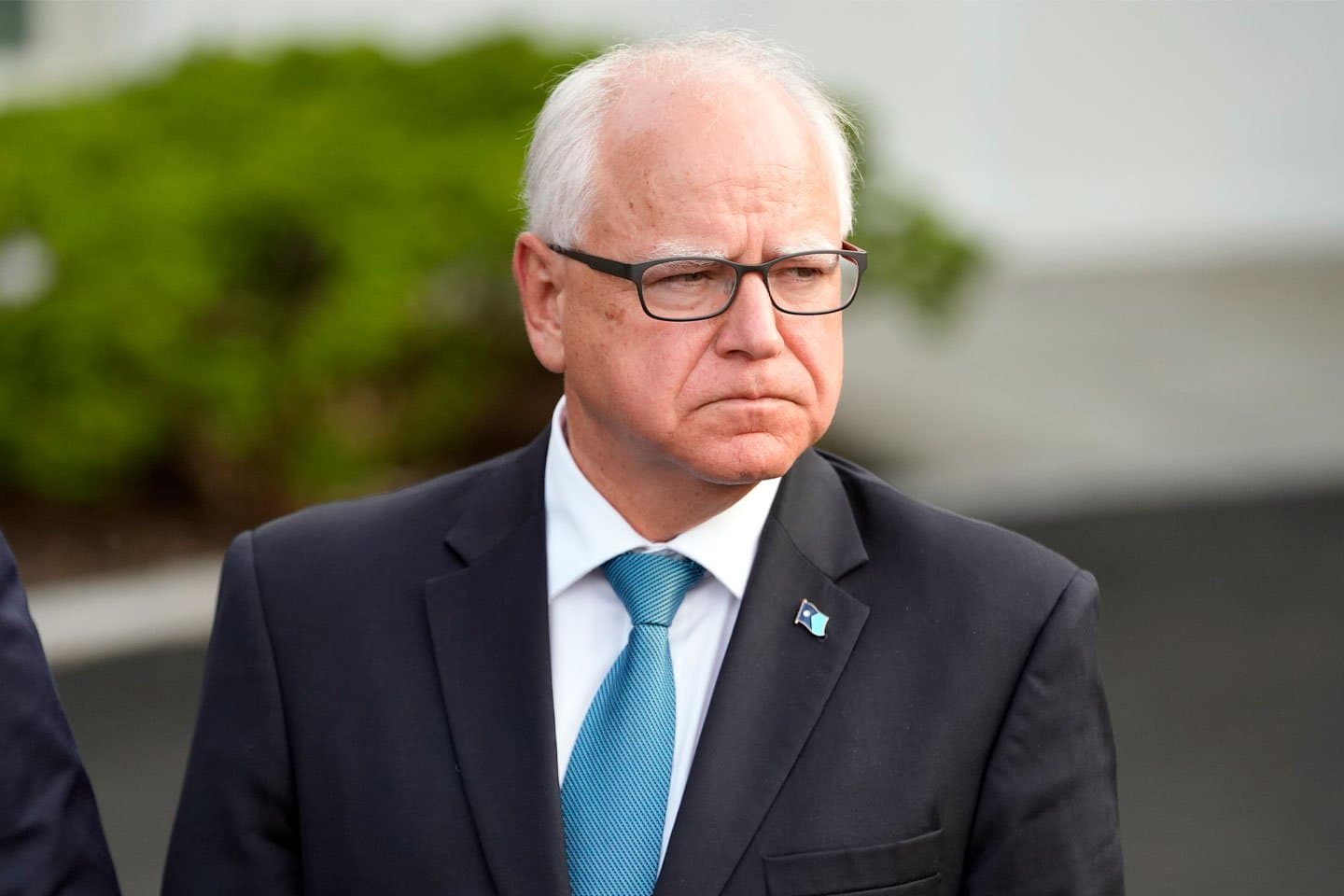
Will Tim Walz resign by...?
PM $2.59M
Tim Walz out as Governor of Minnesota?
K 1.25M contracts
Tim Walz in jail by...?
PM $59.4KMarket Insights
Price gaps of 2 pp+
0
Same-question pairs
0
No outcomes on this page have been reviewed as the same question on both platforms yet.
Price differences do not establish arbitrage. Check each pair's review, current order prices, fees and settlement rules.