$821.64K
1
3

$821.64K
1
3
Trader mode: Actionable analysis for identifying opportunities and edge
This market will resolve to “Yes” if, according to the ISW map, Russia captures the entirety of Stepnohirsk, Zaporizhzhia Oblast, by January 15, 2026, 11:59 PM ET. Stepnohirsk will be considered captured if the entirety of the municipality is shaded red on the ISW map (https://storymaps.arcgis.com/stories/36a7f6a6f5a9448496de641cf64bd375) by the resolution date. If the area is not shaded red by January 15, 2026, 11:59 PM ET, the market will resolve to “No”. For any change on the ISW map to qua
Prediction markets currently give Russia only a 3% chance of capturing the entire village of Drobysheve in eastern Ukraine by March 31, 2026. This means traders collectively see it as very unlikely, roughly a 1 in 33 chance. The market reflects a strong consensus that Russian forces will not secure full control of this small settlement within the next two years.
Several factors explain the low probability. First, Drobysheve is part of a larger, slow-moving front line. While Russia has made incremental gains in the Donetsk region, progress is measured in meters per day against determined Ukrainian defenses. Capturing a single village often takes months of intense fighting.
Second, the village itself has limited strategic value. It is a small settlement northwest of the more significant city of Bakhmut. Major Russian offensive efforts and Ukrainian defensive resources are focused on larger transport hubs and cities, not isolated villages. The effort required to fully capture Drobysheve may not be worth the cost for Russia compared to other objectives.
Finally, the timeline is relatively short in wartime terms. With about two years until the resolution date, the market suggests that even if Russia eventually takes the village, it is not expected to happen quickly. The current military stalemate favors a protracted conflict without rapid territorial changes.
There are no specific scheduled events for Drobysheve itself. Instead, watch for broader developments that could affect the entire front. Major shifts in Western military aid to Ukraine, especially the delivery of long-range artillery or air defense systems, could freeze Russian advances. Conversely, any large-scale Russian breakthrough in the broader Bakhmut or Avdiivka areas could increase pressure on surrounding villages like Drobysheve. The most important signals will be in regular battlefield reports from sources like the Institute for the Study of War, which this market uses for resolution.
Prediction markets have a mixed record on specific, tactical wartime outcomes. They are generally better at forecasting broad strategic shifts or major city captures than the fate of individual small villages. The low trading volume on this question, about $17,000, also means the price could be more sensitive to small bets and may not represent a deep consensus. However, the overwhelming odds against capture align with most expert analysis of the current slow pace of the war. The main limitation is the unpredictable nature of combat; a sudden local collapse could change things rapidly, but the market judges that as a low-probability event.
Prediction markets assign a 3% probability that Russian forces will capture the entire settlement of Drobysheve in Donetsk Oblast by March 31, 2026. This price, equivalent to 3 cents per share for a "Yes" outcome, indicates the market views a full Russian capture as highly unlikely within the 30-day timeframe. With only $17,000 in total trading volume, liquidity is thin. This suggests the current price is more indicative of a baseline sentiment than a heavily traded consensus.
The low probability reflects the current static and attritional nature of the frontline in this sector. Drobysheve is located northwest of Bakhmut, an area where territorial changes have been minimal for many months despite ongoing combat. Russian offensive operations have recently concentrated further south near Avdiivka and west of Bakhmut around Chasiv Yar, not on this specific settlement. The Institute for the Study of War (ISW), whose maps determine the market's resolution, has not reported significant Russian advances in Drobysheve's vicinity. Historical patterns show that capturing a defined municipality "in its entirety" often requires localized tactical breakthroughs that have not materialized here.
The primary catalyst for a shift would be a sudden, concentrated Russian assault on this specific part of the front. Given the resolution deadline is only 30 days away, any such operation would need to begin almost immediately to achieve full territorial control by March 31. A significant Ukrainian withdrawal from the Bakhmut flank could also alter the calculus, but there are no current indicators of collapse in this sector. The market's 3% price essentially acts as a risk premium for a sudden, unexpected tactical reversal. Monitoring ISW daily updates for any shading change around Drobysheve is the only way to track progress toward the resolution condition.
AI-generated analysis based on market data. Not financial advice.
This prediction market focuses on whether Russian forces will capture the entire municipality of Stepnohirsk in Ukraine's Zaporizhzhia Oblast by January 15, 2026. The outcome will be determined by the Institute for the Study of War's (ISW) daily interactive map, which uses a color-coded system to track territorial control. Stepnohirsk is a small settlement that became a frontline location following Russia's full-scale invasion of Ukraine in February 2022. Its capture would represent a minor but tangible Russian advance in a region that has seen intense fighting. The market's resolution date is set over a year in the future, reflecting the uncertainty of the war's pace and the potential for prolonged positional warfare. Interest in this specific prediction stems from its function as a measurable indicator of battlefield momentum in southern Ukraine. While Stepnohirsk itself is not a major population center, its fate is tied to the broader struggle for control of Zaporizhzhia Oblast, a region Russia claims to have annexed. Observers, analysts, and those with financial or strategic interests in the conflict's outcome use such granular predictions to gauge the effectiveness of military operations and the stability of front lines. The market provides a quantified, crowd-sourced assessment of the likelihood of a specific tactical event within the larger war.
Stepnohirsk's strategic relevance is a product of the war's evolution. The settlement is located in Zaporizhzhia Oblast, a region Russia partially occupied in the initial weeks of the 2022 invasion. Russian forces captured the regional capital of Melitopol in early March 2022, securing a southern axis. Throughout 2022 and 2023, the front line in central Zaporizhzhia stabilized, with both sides constructing extensive trench networks and fortifications in a style reminiscent of World War I. The area near Stepnohirsk saw limited movement during Ukraine's 2023 counteroffensive, which focused further west toward Robotyne and Verbove. When that offensive did not achieve a decisive breakthrough, the front returned to a state of attritional warfare. Historically, control of small settlements like Stepnohirsk has often preceded larger operational pushes. For example, Russia's capture of the town of Marinka in Donetsk Oblast in late 2023 after months of fighting allowed for increased pressure on the larger logistics hub of Kurakhove. The battle for Stepnohirsk fits this pattern of incremental gains sought through concentrated artillery and infantry assaults.
The fight for Stepnohirsk matters as a microcosm of the war's current phase. Its capture would not change the strategic map dramatically, but it would signal Russia's continued capacity to make small, costly advances along the front. For Ukraine, holding such positions is psychologically and militarily important to demonstrate that its defensive lines remain intact despite shortages of ammunition and personnel. For local residents, the outcome determines whether they live under Ukrainian or Russian occupation, with profound implications for safety, freedom of movement, and access to Ukrainian services. On a broader level, the resources expended to take or defend a small settlement highlight the war's attritional nature. Each shell fired and each soldier committed to this fight is a resource not available for other sectors. The outcome may influence Western assessments of Ukraine's defensive capabilities, potentially affecting decisions on military aid deliveries in early 2026.
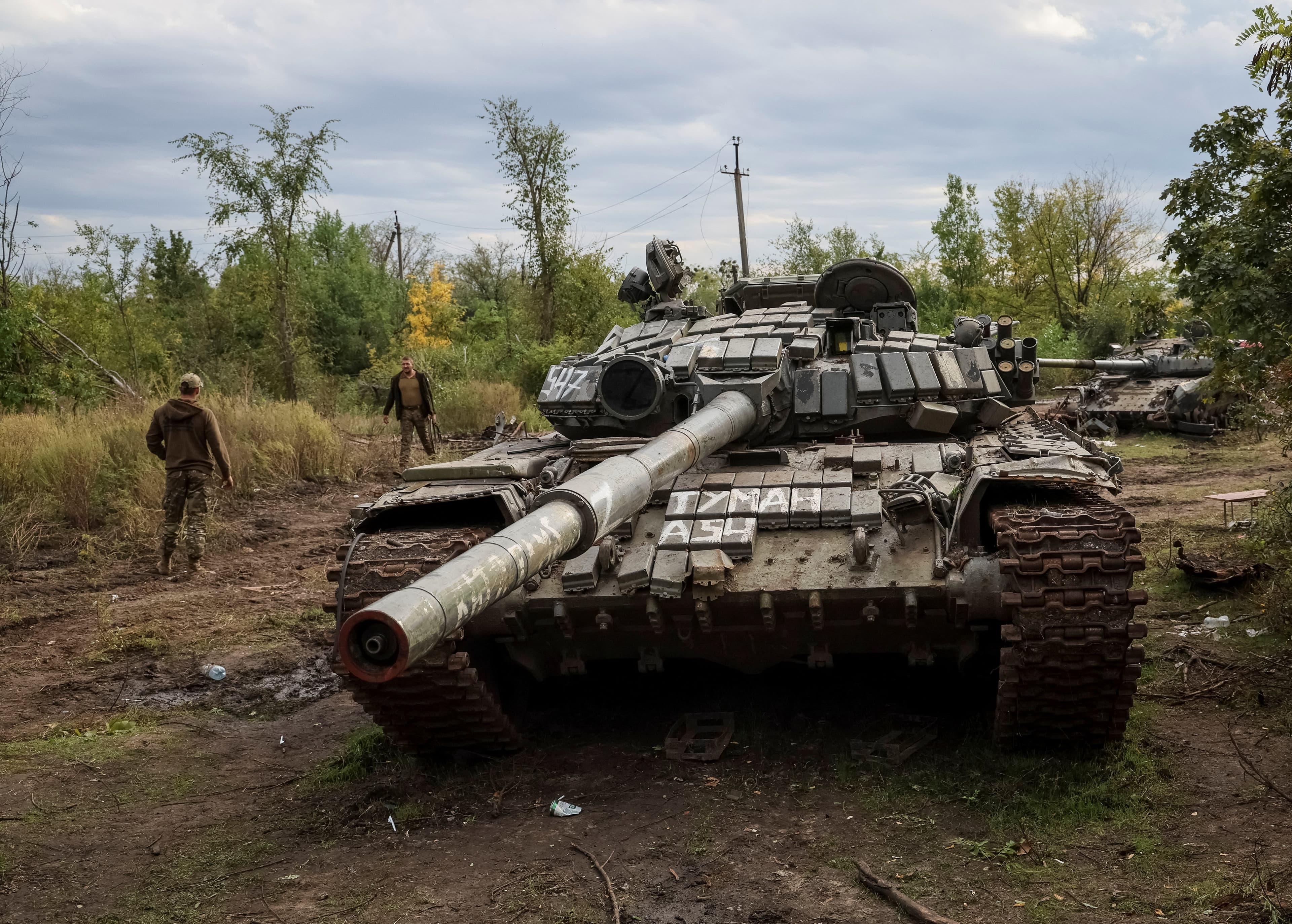
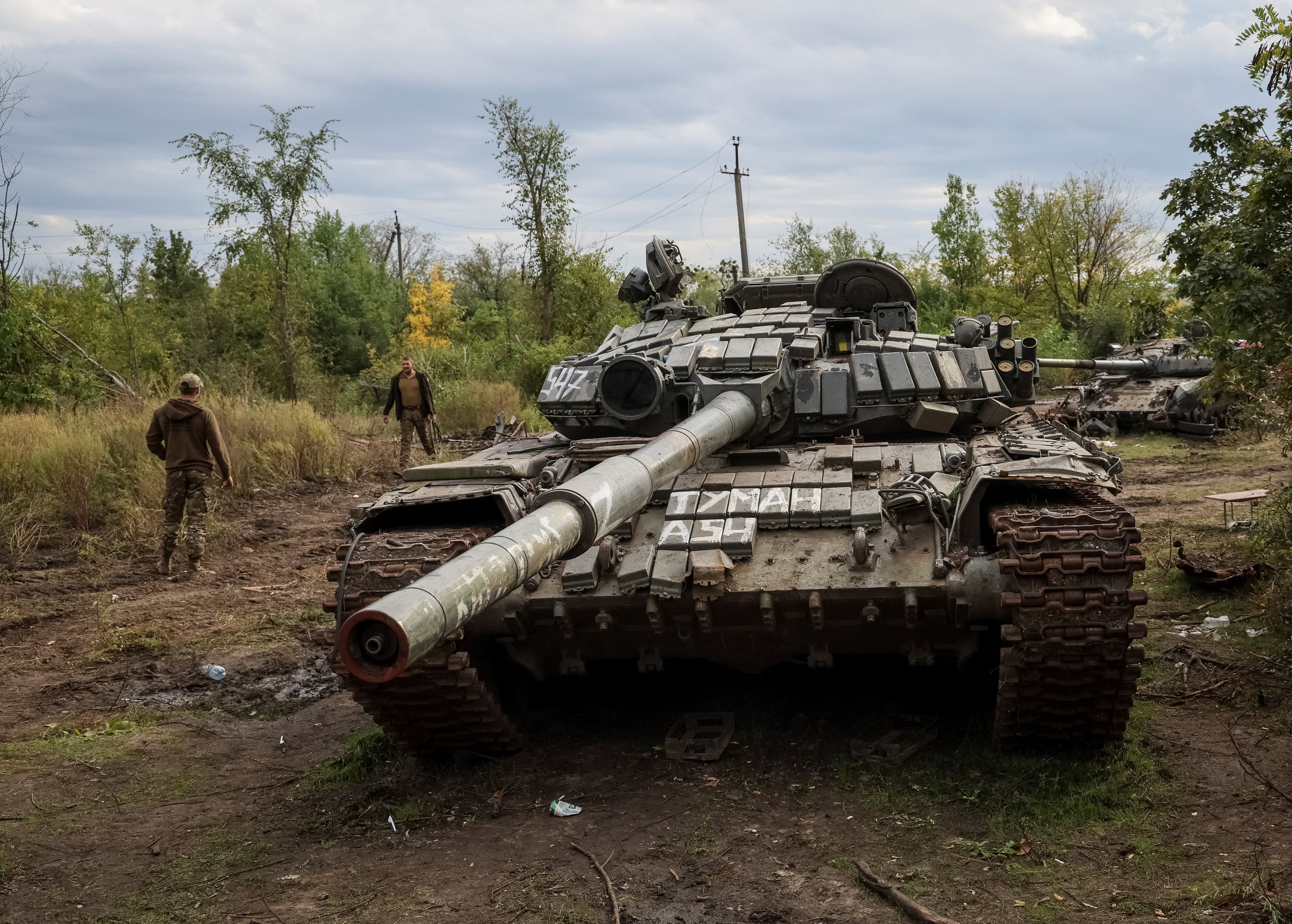
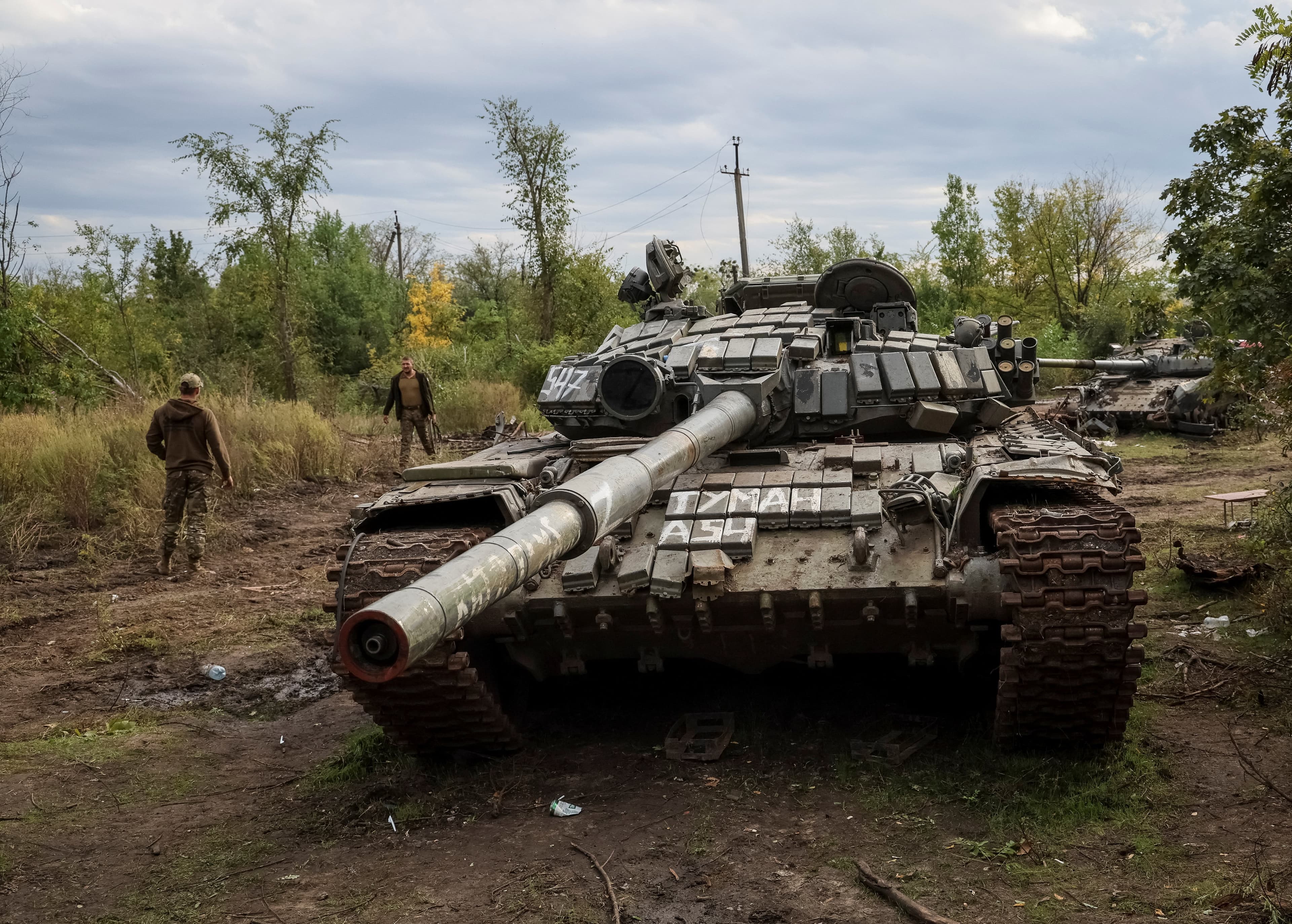
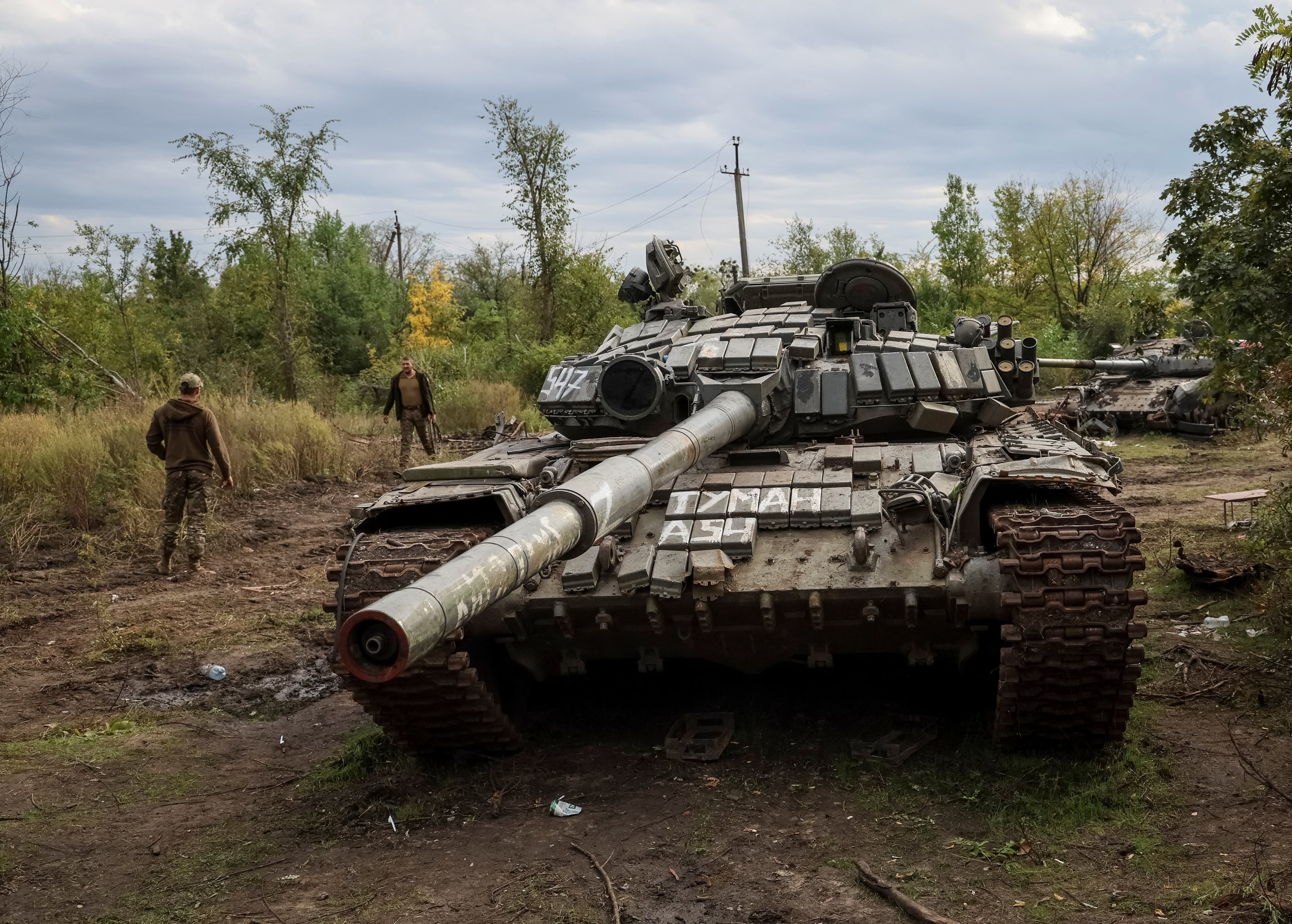
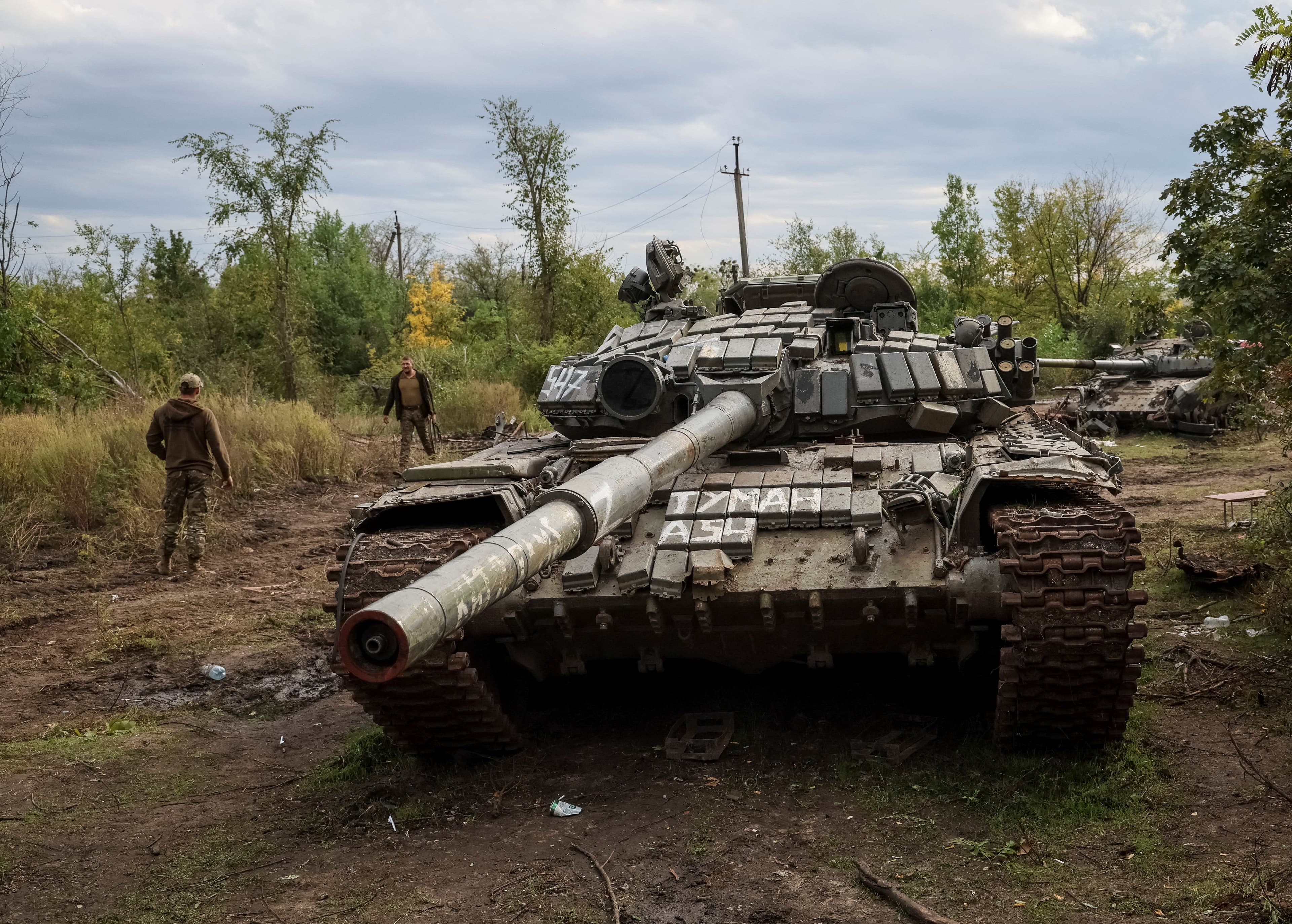
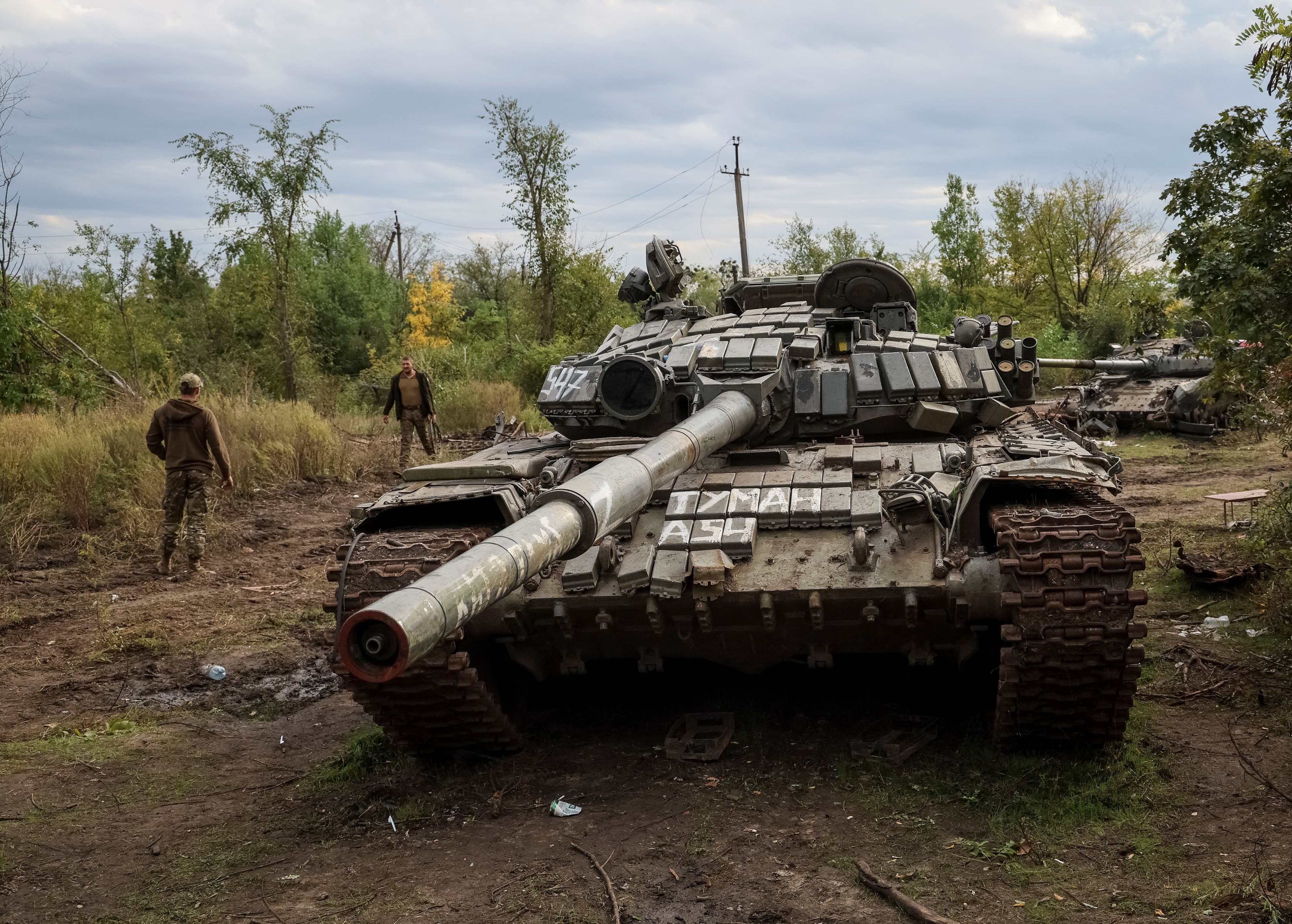
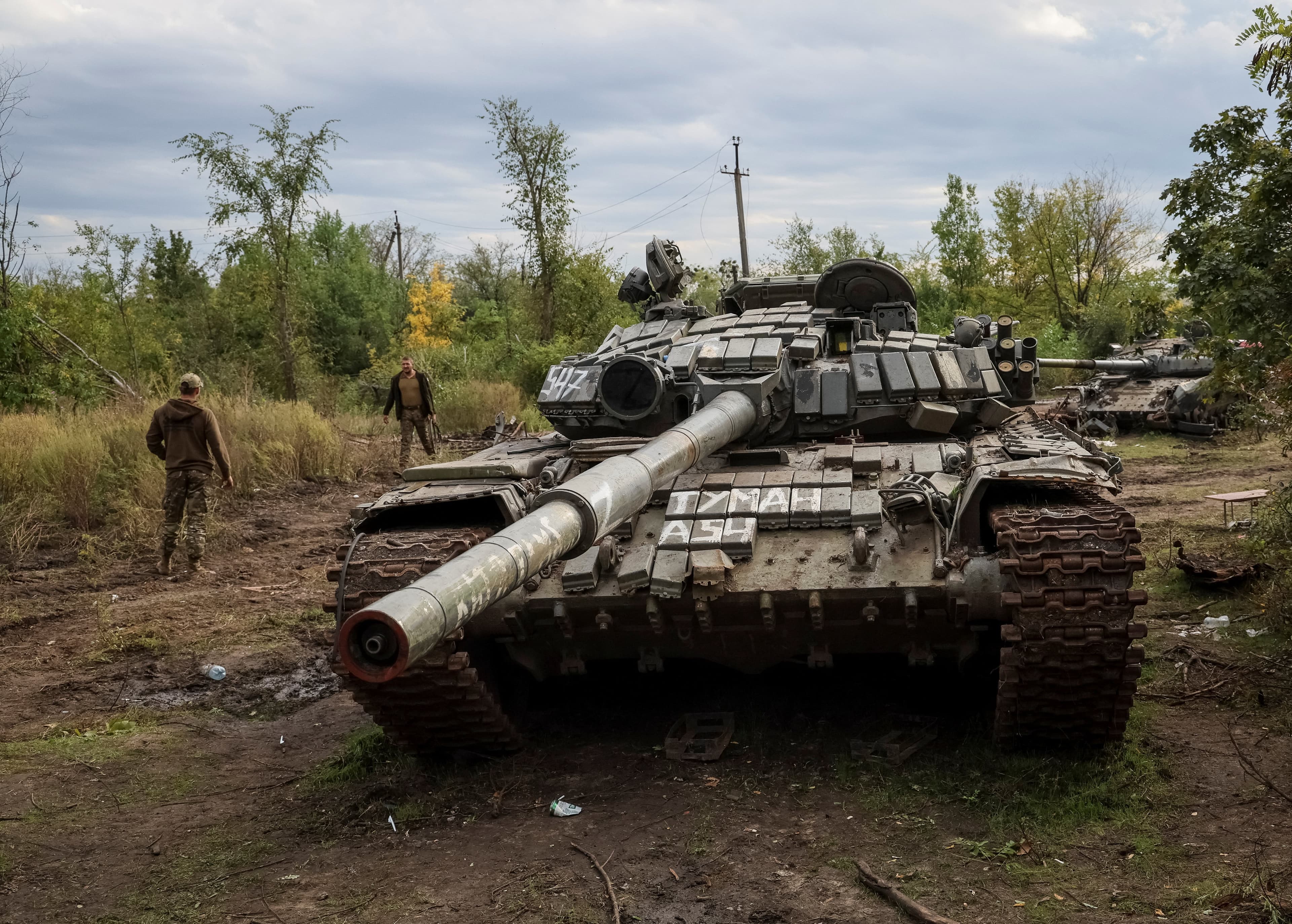
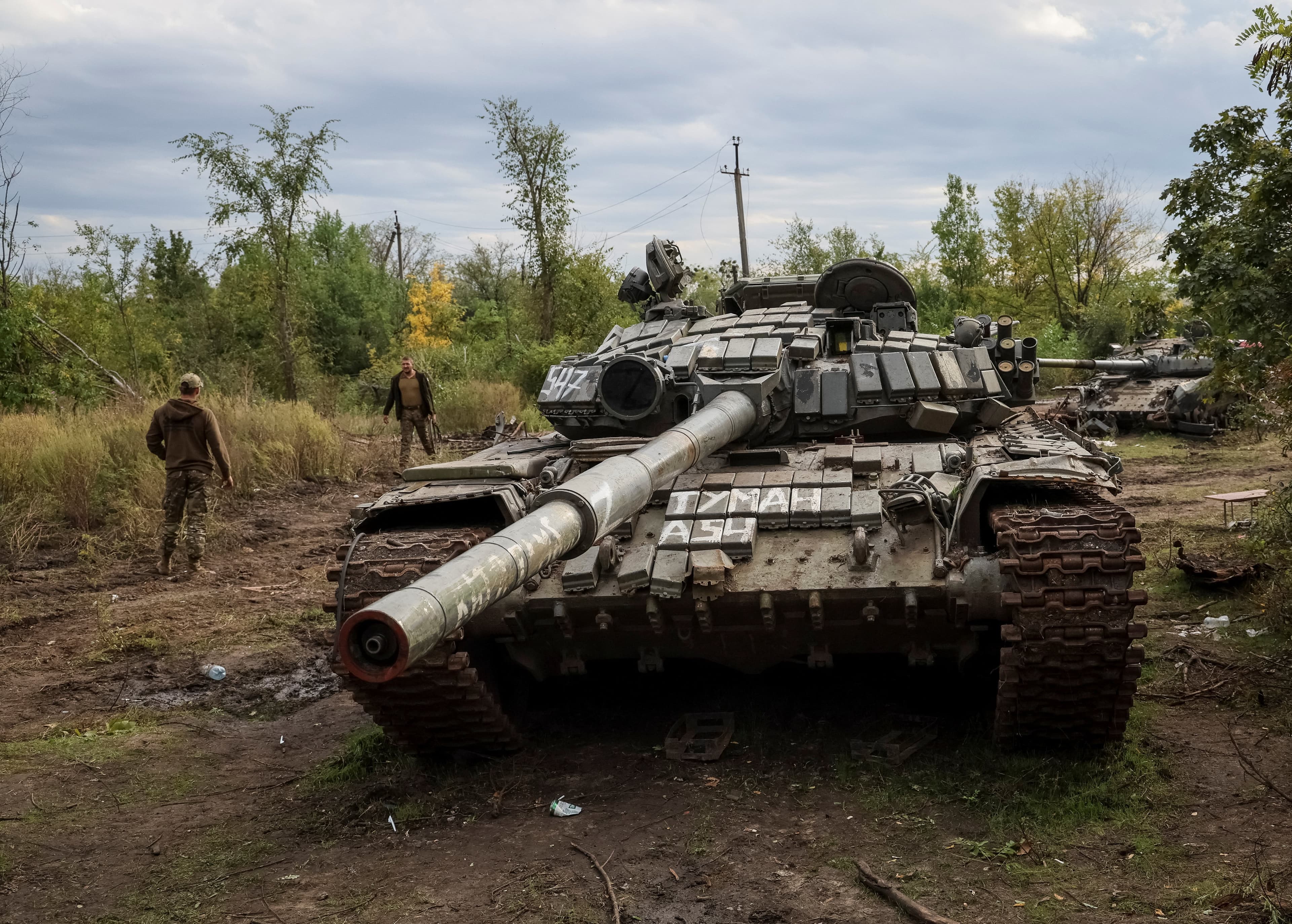
As of late 2024, Stepnohirsk is a contested settlement on the front line. The ISW map typically shows it as a gray or pink-shaded area, indicating ongoing fighting or disputed control. Russian sources have periodically claimed advances in its vicinity, while Ukrainian reports describe defensive operations. The situation is fluid but characterized by positional battles, with neither side in full control. Recent fighting has involved heavy use of artillery, FPV drones, and small infantry assaults on tree lines and trenches near the settlement.
The ISW map is a daily updated, interactive web map that tracks assessed territorial control in the Russia-Ukraine war. Analysts at the ISW use open-source intelligence, including geolocated combat footage and official reports, to determine which side controls specific settlements. It is a primary source for media and governments tracking the conflict's frontline.
Stepnohirsk is a small rural settlement in Zaporizhzhia Oblast, southern Ukraine. It is situated roughly 25 kilometers southeast of the Ukrainian-held town of Orikhiv and about 30 kilometers north of the Russian-occupied city of Tokmak. Its location places it on the central Zaporizhzhia front line.
While not a major city, capturing Stepnohirsk would represent a tangible Russian advance, putting pressure on Ukrainian defensive lines. In a war of attrition, such incremental gains can accumulate over time, wear down Ukrainian forces, and bring Russian artillery closer to larger Ukrainian supply hubs like Orikhiv.
Participants trade shares based on their assessment of the likelihood of an event, like the capture of Stepnohirsk. The trading price reflects the crowd's aggregated probability. If the event happens, 'Yes' shares pay out; if not, 'No' shares pay out. This creates a financial incentive for accurate forecasting.
The market rules specify that Stepnohirsk must be 'shaded red' on the ISW map to resolve as 'Yes.' If the settlement is not depicted, is gray (contested), or is blue/blue-striped (Ukrainian control), the market will resolve to 'No' at the deadline. The ISW's standard mapping conventions are the sole determinant.
Educational content is AI-generated and sourced from Wikipedia. It should not be considered financial advice.
3 markets tracked

No data available
| Market | Platform | Price |
|---|---|---|
![]() | Poly | 36% |
![]() | Poly | 23% |
![]() | Poly | 22% |


No related news found
Add this market to your website
<iframe src="https://predictpedia.com/embed/2msLxJ" width="400" height="160" frameborder="0" style="border-radius: 8px; max-width: 100%;" title="Will Russia capture all of Stepnohirsk by...?"></iframe>