
Modi out by December 31, 2026?
PM $433.3K
1
1
Modi out by December 31, 2026?
PM $433.3K
1
1
Current odds
Snapshot from
As of Oct 26, 2026, 9:00 PM UTC, Yes is priced at 3.5% on Polymarket.
Polymarket
- Yes3.5%
Yes prices. They are not order quotes; check each platform's rules, fees and live prices before trading.
AI Analysis
Trader mode: Market mechanics, assumptions and risks
PM $433.3K
Reported volume · provider units
1
Saved contracts
0
Same-question pairs
Source snapshot: Oct 26, 2026, 9:00 PM UTC
About This Event
This market will resolve to “Yes” if Narendra Modi ceases to be Prime Minister of India for any period of time between market creation and the specified date (ET). Otherwise, this market will resolve to “No”. An announcement of Narendra Modi's resignation/removal before this market's end date will immediately resolve this market to "Yes", regardless of when the announced resignation/removal goes into effect. If the specified individual is detained, effectively removed from the specified position, or otherwise permanently prevented from fulfilling the duties of the specified position within this market’s timeframe, it will qualify for a “Yes” resolution. The resolution source for this market will be official information from Narendra Modi and the government of India; however, a consensus of credible reporting may also be used.
This analysis is awaiting a background update, so its prices may be older than the odds above.
Current Market Outlook
Polymarket traders give Narendra Modi only an 11% chance of leaving office before December 31, 2026. That is a low probability, meaning the market sees his continued tenure as the baseline expectation. With just $27,000 in volume across a single market, liquidity is thin. A bettor with even $5,000 could move the price noticeably.
The market resolves to "Yes" if Modi ceases to be Prime Minister for any period, including an announced resignation or removal before the deadline. This is a broad trigger. Even a temporary suspension or caretaker arrangement would count.
Key Factors Driving the Odds
Modi has held power since 2014 and his Bharatiya Janata Party (BJP) won a third consecutive term in 2024, though with a reduced majority. He is 74 years old, but Indian prime ministers have served into their 80s. No serious internal challenger has emerged within the BJP. The opposition is fragmented and weak.
The 2024 election result was a shock to many observers but also a reminder of Modi's durability. The BJP lost its outright majority but still leads the National Democratic Alliance coalition. Coalition governments in India have historically been more fragile, but the NDA partners have little incentive to defect.
Modi's approval ratings remain high by global standards, hovering around 60-70% in most polls. There is no active legal case that threatens his position directly. The market is pricing in the possibility of health issues or a sudden political crisis, not a gradual erosion of support.
What Could Change These Odds
A health scare or accident is the most plausible near-term catalyst. Modi is not young and the job is demanding. If he were hospitalized for any serious condition, the price would spike.
A major economic or diplomatic crisis could also shift sentiment. India's growth has been strong, but inflation and unemployment remain concerns. A sharp downturn or a border conflict with China that goes badly could erode his standing within the party.
The next general election is due by 2029, well after this market's deadline. No scheduled leadership votes or party conventions are on the calendar before December 2026. The market is essentially betting on an unexpected event, which explains the low price.
A disciplined trader might look at the 11% as slightly underpriced given the historical volatility of Indian politics. But the market is also thin enough that the current price reflects a few informed opinions, not a deep consensus.
AI-generated analysis based on market data. Not financial advice.
Saved Jul 14, 2026 UTCThis saved content is awaiting a background update. It may contain outdated claims; use the dated market data and provider rules for the latest available information.
Overview
Narendra Modi is the Prime Minister of India, serving since May 26, 2014. This prediction market asks whether he will leave that office by December 31, 2026, for any reason, including resignation, removal, or detention. The market will resolve to 'Yes' if Modi ceases to be Prime Minister before that date, even if an announcement is made before the effective date. This topic has gained attention due to India's upcoming general elections in 2024, potential internal party challenges, and legal or political controversies surrounding Modi's government. Observers are interested in the stability of India's leadership, given its impact on economic reforms, foreign policy, and domestic governance. The question also reflects broader speculation about political succession in India's dominant party, the Bharatiya Janata Party (BJP), and the resilience of its coalition government. Recent developments, such as the 2023 no-confidence motion against Modi's government (which he survived) and ongoing investigations into opposition leaders, have fueled speculation about his political future. However, Modi remains popular, with approval ratings above 70% in many polls, and his party controls a majority in the Lok Sabha (lower house of Parliament). The market thus captures a high-stakes political scenario with significant implications for India's trajectory.
Historical Context
Since India's independence in 1947, no prime minister has completed a full five-year term without interruption. Jawaharlal Nehru served the longest (1947-1964), dying in office. Indira Gandhi was removed after the 1975-1977 Emergency and lost the 1977 election. Rajiv Gandhi was assassinated in 1991. More recently, Manmohan Singh (2004-2014) served two full terms, the first to do so since Nehru. Modi's first term (2014-2019) was uninterrupted, and his second term (2019-2024) saw a no-confidence motion in 2023 that he survived easily. The only prime minister to resign before term was Morarji Desai in 1979 after losing a confidence vote. India's parliamentary system requires the prime minister to command a majority in the Lok Sabha. If Modi loses that majority, he could be forced to resign. The BJP currently holds 303 seats in the 543-member Lok Sabha, well above the 272 majority mark. However, the party faces challenges from a united opposition alliance (INDIA bloc) formed in 2023. Historically, no prime minister has been removed by internal party revolt, but the BJP has a tradition of leadership changes, as seen when Atal Bihari Vajpayee was replaced by L.K. Advani in 2004 after an election loss. Modi's control over the BJP is strong, but his age (73 in 2026) and potential health issues could become factors.
Why It Matters
Modi's departure before 2026 would trigger a political crisis in India, the world's most populous democracy and fifth-largest economy. The immediate impact would be on financial markets, as investors have priced in policy continuity under Modi. A sudden change could lead to volatility in the Indian rupee, stock market, and bond yields. Externally, Modi's successor might alter India's foreign policy stance, particularly toward China, Pakistan, and the United States. India's role in the Quad and its balancing act between Russia and the West could shift. Domestically, a leadership change could affect ongoing reforms in agriculture, labor laws, and privatization. The BJP's internal succession process might favor a hardline Hindu nationalist like Yogi Adityanath, potentially escalating communal tensions. Alternatively, a coalition government could emerge, slowing policy implementation. The outcome also matters for the opposition, which has struggled to present a unified alternative. A Modi exit could open space for a new political alignment, possibly leading to early elections. For ordinary Indians, the change would affect daily life through potential economic instability, changes in welfare programs, and shifts in social policies. The market thus captures a high-impact event with wide-ranging consequences.
Frequently Asked Questions
What would cause Narendra Modi to leave office before 2026?
Modi could leave through resignation, removal by a no-confidence vote, death, or incapacitation. He could also be forced out by internal party pressure or legal conviction. The market resolves to 'Yes' for any reason, including detention or removal.
Has any Indian prime minister been removed before completing a term?
Yes. Indira Gandhi was effectively removed after the 1977 election loss following the Emergency. Morarji Desai resigned in 1979 after losing a confidence vote. Several PMs died in office, including Nehru, Shastri, and Rajiv Gandhi.
How strong is Modi's position within the BJP?
Modi's control over the BJP is very strong. He handpicked party president J.P. Nadda in 2020 and has sidelined rivals like L.K. Advani and Murli Manohar Joshi. No internal challenger has emerged, and the party has no formal mechanism to remove a sitting PM.
Could the 2024 election result lead to Modi's removal?
If the BJP loses its majority in 2024, Modi could still remain PM if the NDA coalition holds. However, if the opposition forms a government, Modi would resign. The market covers this scenario, as the end date is after the 2024 election.
AI-written background. References identify the evidence used; Wikipedia links under Learn More are additional reading. Prices and provider rules are dated snapshots. This is not financial advice.
Related prediction markets
Prices are catalog snapshots and may have changed. Check each market's rules and observation time.
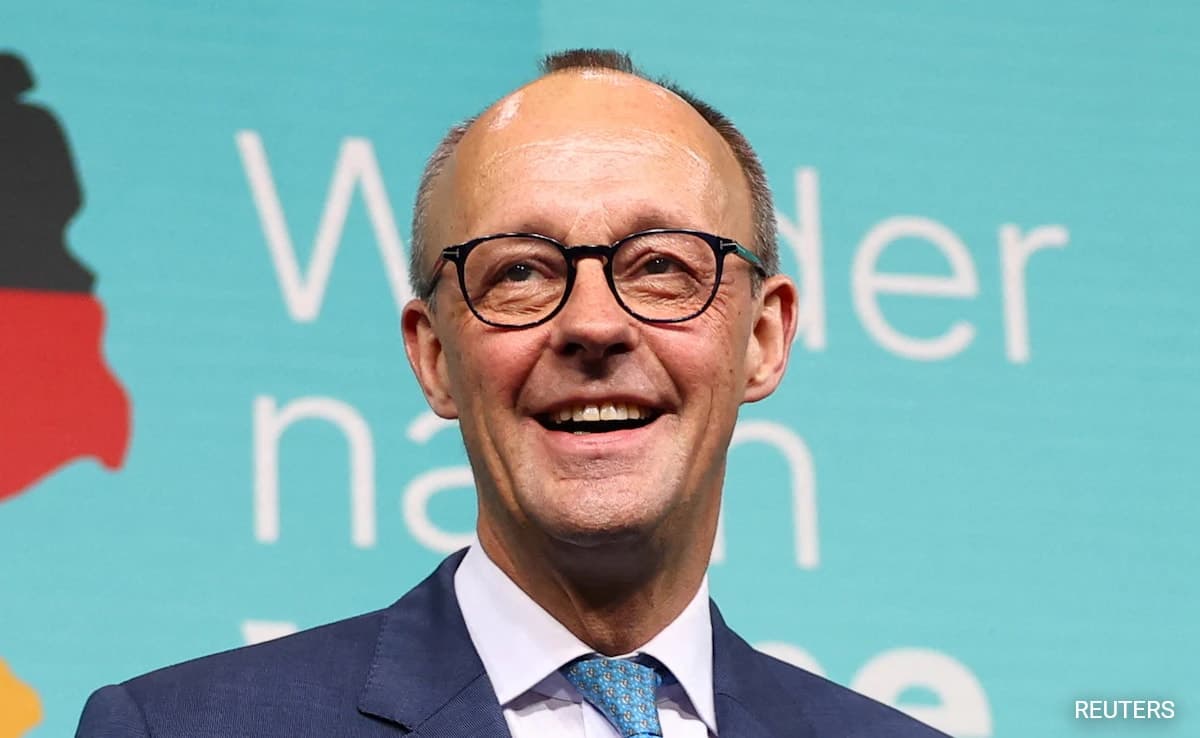
Friedrich Merz out as Chancellor of Germany by...?
PM $3.02M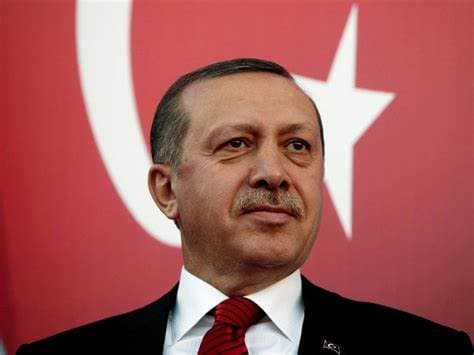
Erdoğan out by...?
PM $650.7K
Lecornu out as French PM by...?
PM $368.4K
Who will attend a round of US-Iran peace talks by December 31?
PM $1.87M
Elon Musk net worth on December 31, 2026
K 99.2K contracts
Where will the next US-Iran senior diplomatic meeting take place...?
PM $177.2KMarket Insights
Price gaps of 2 pp+
0
Same-question pairs
0
No outcomes on this page have been reviewed as the same question on both platforms yet.
Price differences do not establish arbitrage. Check each pair's review, current order prices, fees and settlement rules.
