
Will the filibuster be abolished?
K 3.5K contracts
1
5
Current odds
Snapshot from
As of Nov 22, 2026, 12:00 PM UTC, the highest-priced outcome on Kalshi is Before Jan 1, 2030 at 48%.
Kalshi
- Before Jan 1, 203048%
- Before Jan 1, 202925%
- Before Jan 1, 202815.5%
- Before Jul 1, 202711%
- Before Jan 1, 20271.5%
Yes prices. They are not order quotes; check each platform's rules, fees and live prices before trading.
AI Analysis
Trader mode: Market mechanics, assumptions and risks
K 3.5K contracts
Reported volume · provider units
5
Saved contracts
0
Same-question pairs
Source snapshot: Nov 22, 2026, 12:00 PM UTC
Snapshot observed Nov 22, 2026, 9:00 AM UTC. This analysis describes that snapshot and is not a live news update.
What the contract measures
This event asks whether the Senate filibuster will be abolished before a set date [1]. The source defines abolition as a change to the Senate's rules or precedents under which debate on all bills and joint resolutions, and on motions to proceed to them, can be ended, over the objection of any Senator, by a simple majority [1].
Several kinds of change do not count. A change that lets fewer than three-fifths of Senators end debate only on some bills, such as one named bill, does not count [1]. Constitutional amendments are disregarded, and a unanimous consent agreement governing particular measures does not count [1]. Tabling, recommitting, or otherwise disposing of a measure without a vote on passage does not count either [1].
Each market in this snapshot has a different close date, because each asks about a different deadline. The rules also state that the market will close and expire early if the event occurs [1].
Reading the snapshot
The prices were observed at 09:00 UTC on November 22, 2026, and retrieved later that morning [1]. This is a past snapshot, not a live reading. The Yes prices for the five listed deadlines were:
- Before January 1, 2027 (listed close 04:59 UTC, January 1, 2027): 0.015
- Before July 1, 2027 (listed close 03:59 UTC, July 1, 2027): 0.11
- Before January 1, 2028 (listed close 04:59 UTC, January 1, 2028): 0.155
- Before January 1, 2029 (listed close 04:59 UTC, January 1, 2029): 0.25
- Before January 1, 2030 (listed close 04:59 UTC, January 1, 2030): 0.48 [1]
In this snapshot, the Yes price is higher for later deadlines. These figures are prices, not verified probabilities, and they are not executable quotes. The source reports 3,458 contracts of volume on Kalshi for this event [1]. That figure is not a measure of liquidity or of how many people traded.
What remains uncertain
All five saved markets for this event are included, but the source notes that this does not establish that the provider lists every possible outcome [1]. Only one platform appears, so there is no cross-platform comparison. The event-level end time is not supplied, so the listed close times apply to each separate market [1].
The evidence does not explain why prices are where they are, and it contains no recent news, no information on how many traders hold each view, and no record of past forecasting accuracy. Any change in these prices after the observation time is not reflected here.
References
- Kalshi: Will the filibuster be abolished?. Provider data observed Nov 22, 2026, 9:00 AM UTC.
Snapshot observed Nov 22, 2026, 9:00 AM UTC. This analysis describes that snapshot and is not a live news update.
What the contract measures
The Kalshi event asks whether the Senate filibuster will be abolished, and the saved markets differ only by deadline. [1] The rules define abolition narrowly. A Yes outcome requires a change to Senate rules or precedents under which debate on all bills and joint resolutions, and on motions to proceed to them, can be ended by a simple majority. [1] Changes that apply only to some bills, or only when no senator objects, do not count. Joint resolutions proposing constitutional amendments are disregarded. Tabling or recommitting a measure without a vote on passage does not count, and a unanimous consent agreement covering particular measures does not count. [1] The rules also state that the market will close early if the event occurs. [1]
The deadlines in the saved markets are "Before Jan 1, 2030," "Before Jan 1, 2029," "Before Jan 1, 2028," "Before Jul 1, 2027," and "Before Jan 1, 2027." [1] The rule text uses "X" as a placeholder for these dates, so each date is a contract term, not an announced event.
Reading the snapshot
The provider observed these prices at 09:00:06 UTC on 22 November 2026 and the record was retrieved at 11:38:01 UTC the same day. [1] These are past observations, not live quotes, and they are not executable prices or verified probabilities.
Within this snapshot, the Yes prices rise as the deadline lengthens: 0.015 for before January 1, 2027; 0.11 for before July 1, 2027; 0.155 for before January 1, 2028; 0.25 for before January 1, 2029; and 0.48 for before January 1, 2030. [1] This ordering fits the contracts, since each earlier window is contained in each later one. The market-level end dates listed for these contracts are January 1, 2027 (04:59 UTC), July 1, 2027 (03:59 UTC), January 1, 2028 (04:59 UTC), January 1, 2029 (04:59 UTC), and January 1, 2030 (04:59 UTC). [1] The event-level end time is recorded as not supplied. [1]
All five saved Kalshi markets are included, and the record reports no partial sample. [1] Because every market comes from one provider and one event, no cross-platform averaging applies. The reported volume of 3,458 contracts is the provider's total for its own event. It does not measure liquidity or the number of traders. [1]
What remains uncertain
The evidence does not explain why prices changed or why they sit where they do. It also does not include recent news on the filibuster, the Senate's current agenda, or any scheduled votes. The sample covers only the saved Kalshi event, so it does not establish that the provider lists every possible outcome. Differences in deadline wording or end times should be checked against each contract's own rules before comparing any two prices.
References
- Kalshi: Will the filibuster be abolished?. Provider data observed Nov 22, 2026, 9:00 AM UTC.
AI-generated analysis based on market data. Not financial advice.
Saved Nov 22, 2026 UTCThis article was written from an earlier market snapshot and may be out of date. Use the dated market data and provider rules above for current information.
Overview
This contract asks whether the filibuster will be abolished before a stated deadline. The provider's rules define "Yes" as the abolition of the filibuster before the deadline, and the market closes and expires early if that event occurs [1]. The question sits in the Politics category and is part of a single provider event with several deadline-based contracts. In general terms, a filibuster is a parliamentary procedure in which one or more members of a legislative body prolong debate so as to delay or prevent a decision [2]. In the United States Senate, the rules place few restrictions on debate, and a measure can be put to a vote only when debate ends, either naturally or through cloture [3]. Cloture is described as a motion requiring a supermajority that can overcome a filibuster, while overcoming a filibuster by a simple majority is called the nuclear option [2]. The contract does not turn on whether the filibuster is used in general or whether a particular bill is blocked. Under the provider's rules, an abolition means a change to Senate rules or precedents under which debate on all bills and joint resolutions, and on motions to proceed to them, can be ended by a simple majority [1]. A change that only lets a simple majority end debate on some measures, such as one named bill, does not count. Neither does a change that applies only once no opposing senator seeks to debate a measure [1]. Constitutional amendment resolutions are disregarded [1]. The rules also address how debate must end. Debate counts as ended only when the Senate can be brought to a vote on passing the bill or joint resolution, or on agreeing to the motion to proceed to it. Tabling, recommitting, or otherwise disposing of a measure without that vote does not count [1]. A unanimous consent agreement governing particular measures does not count, while a standing order counts as a Senate rule however it is adopted [1]. Each contract in the event carries a different deadline, such as January 1 of a given year. Because the outcome is tied to a specific date, a market with an earlier deadline asks a narrower question than one with a later deadline. The provider's sample for this event includes all saved markets for these events, but that does not establish that every possible real-world outcome is listed [1].
Why It Matters
The contract measures whether a specific change to Senate rules takes effect before a set deadline. The resolution criteria are narrow. A rule change that ends debate on all bills by a simple majority would count, but a change limited to one bill, a change that requires no objecting senator to be absent, or an unrelated disposition of a measure would not [1]. Because a filibuster is a tactic that delays or blocks a vote by preventing debate from ending [3], the contract essentially tracks whether the Senate's debate-ending rules change in the broad way the rules describe [1][2].
Snapshot context
The latest published provider snapshot for this topic was observed on 2026-11-18 at 06:00 UTC. It contains listings from Kalshi. Market descriptions and listed closing times define the contracts; they do not establish that the real-world outcome has occurred. This article does not include a separately verified news update. [1]
Frequently Asked Questions
What counts as abolishing the filibuster for this contract?
Abolition means a change to Senate rules or precedents under which debate on all bills and joint resolutions, and on motions to proceed to them, can be ended over any senator's objection by a simple majority [1]. Changes that apply only to some bills or joint resolutions do not count [1].
Would blocking or tabling a bill count?
No. Debate is ended only when the Senate can be brought to a vote on passing the bill or joint resolution, or on agreeing to the motion to proceed to it. Tabling, recommitting, or otherwise disposing of a measure without that vote does not count [1].
Do constitutional amendments affect the outcome?
The provider's rules state that joint resolutions proposing amendments to the Constitution are disregarded for this market [1].
What happens if the event occurs before the deadline?
The market will close and expire early if the event occurs [1].
AI-written background. References identify the evidence used; Wikipedia links under Learn More are additional reading. Prices and provider rules are dated snapshots. This is not financial advice.
Related prediction markets
Prices are catalog snapshots and may have changed. Check each market's rules and observation time.

Will the filibuster be weakened?
PM $562.7K · K 192.1K contractsGOP uses 'Nuclear Option' to break filibuster by December 31, 2026?
Kalshi: Filibuster weakened before 2027
Related contracts
Related or unreviewed contracts may settle differently. Their gap is not an equivalent-contract comparison.
Saved prices; check contract rules.

Will the Senate pass legislation using a talking filibuster?
K 506.39 contracts
Will the Federal Reserve be abolished?
K 138.6K contractsWill the Federal Reserve be abolished before 2027?
K 15.1K contracts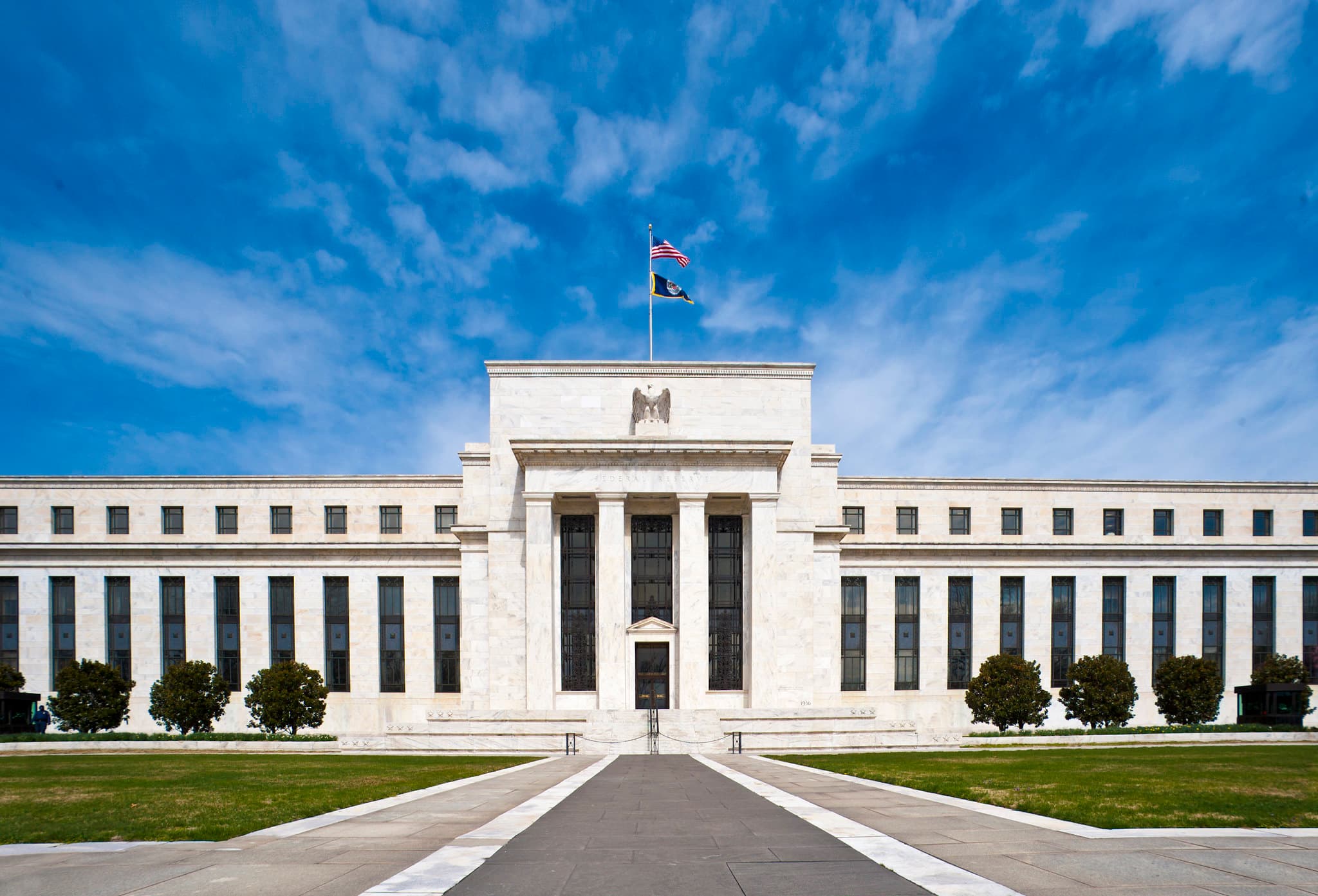
Fed abolished before 2027?
PM $8.4K
Will the debt ceiling be abolished?
K 584.24 contractsMarket Insights
Price gaps of 2 pp+
0
Same-question pairs
0
No outcomes on this page have been reviewed as the same question on both platforms yet.
Price differences do not establish arbitrage. Check each pair's review, current order prices, fees and settlement rules.
