Iran leader end of 2026?
PM $40.47M
1
30
Iran leader end of 2026?
PM $40.47M
1
30
Current odds
Snapshot from
As of Oct 25, 2026, 3:00 PM UTC, the highest-priced outcome on Polymarket is Mojtaba Khamenei at 85.5%.
Polymarket
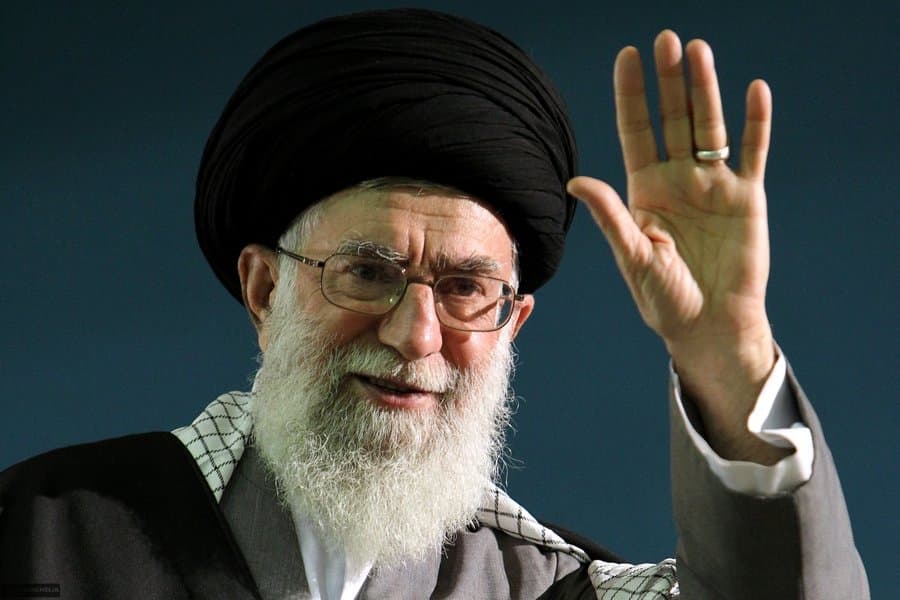
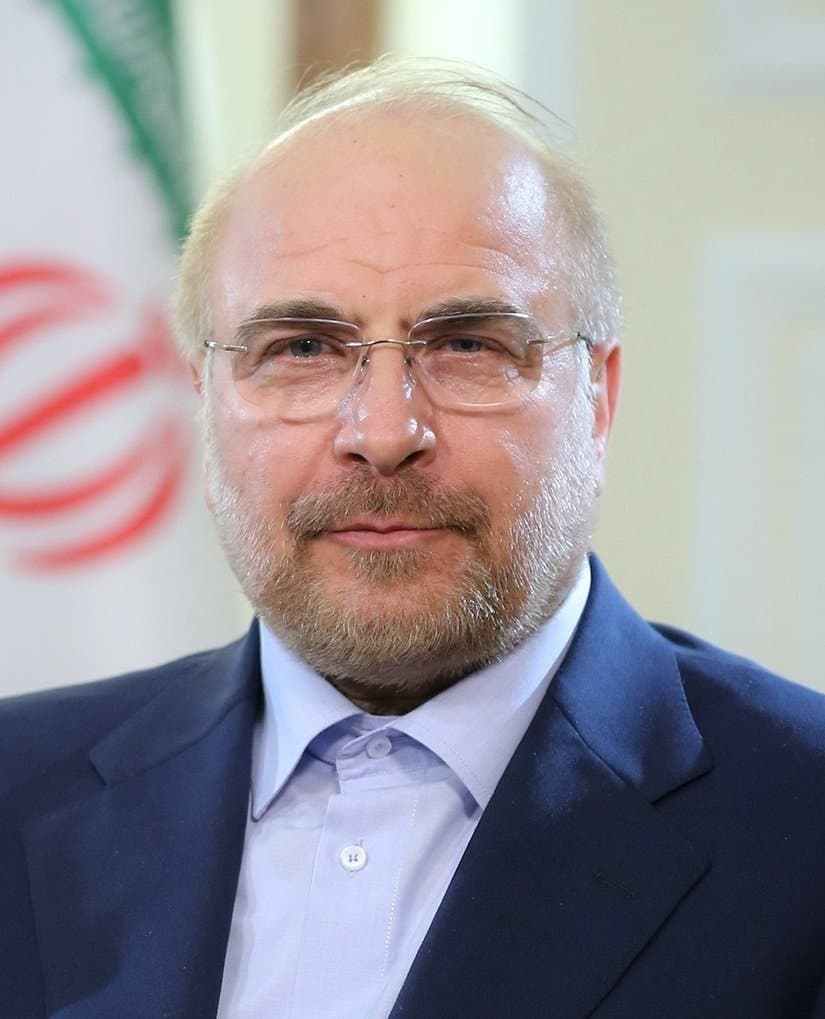
- Mojtaba Khamenei85.5%
- No Head of State5%
- Reza Pahlavi2.6%
- Alireza Arafi2.5%
- Hassan Rouhani0.5%
Yes prices. They are not order quotes; check each platform's rules, fees and live prices before trading.
AI Analysis
Trader mode: Market mechanics, assumptions and risks
PM $40.47M
Reported volume · provider units
30
Saved contracts
0
Same-question pairs
Source snapshot: Oct 25, 2026, 3:00 PM UTC
About This Event
This market will resolve to the individual who de facto holds and exercises the powers of the head of state of the Islamic Republic of Iran on December 31, 2026 at 12:00 PM ET. For the purposes of this market, “de facto holds” refers to the individual who exercises primary governing authority over the Iranian state at that time, including effective control over the armed forces, national institutions, and core executive decision-making, regardless of formal title, constitutional designation, or international recognition. Formal appointment, recognition by the United Nations, or recognition by foreign governments is not required. If more than one individual claims to be head of state, this market will resolve to the individual who demonstrably exercises primary governing control within Iran’s territory at the specified time. Indicators of de facto authority may include control over the armed forces and security services; control over executive ministries and state administrative institutions; enforcement of national laws; issuance of binding national directives; and effective control over the capital and core state infrastructure. Symbolic status, foreign recognition without domestic control, nomination without effective authority, or expired prior service will not qualify. If no individual exercises effective governing control at the specified time, this market will resolve to “No Head of State”. The primary resolution source will be a consensus of credible reporting assessing who exercises effective governing authority at the specified time.
This analysis is awaiting a background update, so its prices may be older than the odds above.
Snapshot observed 2026-10-15T06:00:06.244Z. This analysis describes that snapshot and is not a live news update.
What the contract measures
The event asks who will hold the top position in Iran at the end of 2026. The rules say the market "will resolve to the individual who de facto holds and exercises the powers of the head of state of the Islamic Republic of Iran on December 31, 2026 at 12:00 PM ET" [1]. The rules also define "de facto holds" as the person who "exercises primary governing authority over the Iranian state at that time, including effective control over the armed forces, national institutions, and core executive decision-making, regardless of formal title, constitutional designation, or" [1]. The excerpt is truncated at that point, so the full wording should be checked at the source.
Each individual name is a separate yes or no contract within the same event. The listed end time is 2026-12-31T17:00:00.000Z [1]. That timestamp is the contract close, not a confirmed resolution, and this snapshot does not show any resolution.
Reading the snapshot
The provider observed these prices at 2026-10-15T06:00:06.244Z, and the source was retrieved at 2026-10-15T07:45:45.527Z [1]. These are snapshots, not executable quotes or verified probabilities.
In the included contracts, the "Will Mojtaba Khamenei be head of state in Iran end of 2026?" market shows Yes at 0.872 and No at 0.128 [1]. The "Will there be no Head of State in Iran end of 2026?" market shows Yes at 0.045 [1]. The "Will Reza Pahlavi be head of state in Iran end of 2026?" market shows Yes at 0.0285 [1]. Other included names range from 0.0015 to 0.01 on the Yes side [1].
The sample is partial. Of 30 markets in this provider event, 12 are included [1]. The selection ranks markets by Yes price, so omitted contracts are not known to have lower prices than those shown. Volume is not a measure of liquidity or trader count, and this evidence does not report either.
Do not average these prices or compare them with other platforms. Differences in wording, close times, or sample coverage can make apparent gaps misleading.
What remains uncertain
The evidence does not explain why any price changed or whether traders agree. It does not include recent news about Iran's leadership. It does not state an official announcement, a resolution date beyond the contract rule, or the status of the 18 omitted markets. The snapshot cannot show whether the displayed prices will still hold after the observation time.
References
- Polymarket: Iran leader end of 2026?. Provider data observed 2026-10-15T06:00:06.244Z.
AI-generated analysis based on market data. Not financial advice.
Saved Oct 15, 2026 UTCAI-written background. References identify the evidence used; Wikipedia links under Learn More are additional reading. Prices and provider rules are dated snapshots. This is not financial advice.
Related prediction markets
Prices are catalog snapshots and may have changed. Check each market's rules and observation time.
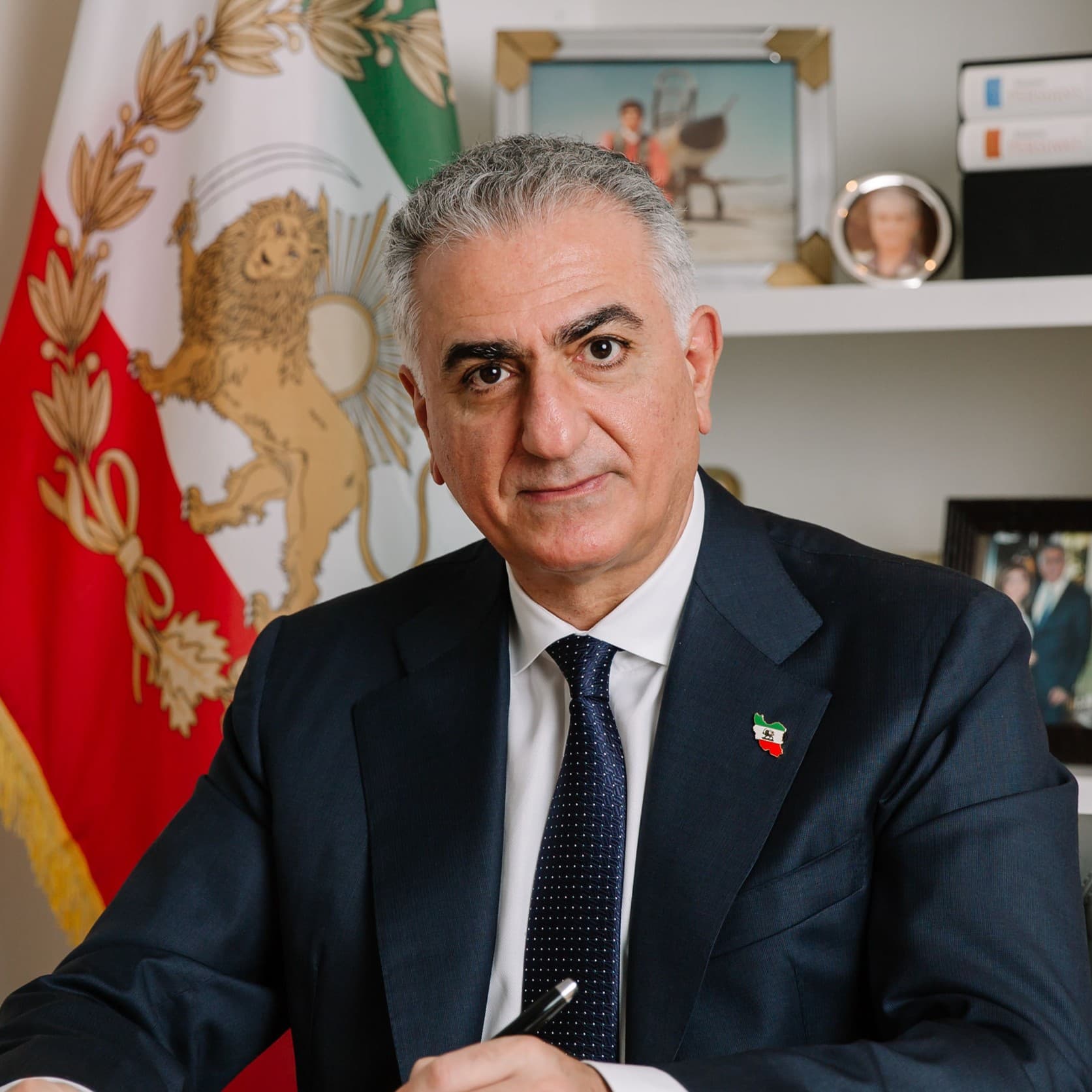
Will Reza Pahlavi lead Iran in 2026?
PM $34.05M · K 5.18M contractsWill Reza Pahlavi lead Iran in 2026?
Kalshi: Will Reza Pahlavi visit Iran before Jan 1, 2027?
Related contracts
Will Reza Pahlavi enter Iran by December 31?
Kalshi: Will Reza Pahlavi visit Iran before Jan 1, 2027?
Same question, fine print differs
Will Reza Pahlavi lead Iran in 2026?
Kalshi: Will the United States recognize Reza Pahlavi as the leader of Iran in 2026?
Related contracts
Related or unreviewed contracts may settle differently. Their gap is not an equivalent-contract comparison.
Saved prices; check contract rules.
Who will officially lead Venezuela at the end of 2026?
PM $98.73M · K 5.80M contractsWill Nicolás Maduro be the leader of Venezuela end of 2026?
Kalshi: Will Nicolás Maduro be the head of state of Venezuela on Dec 31, 2026?
Related contracts
Will Delcy Rodríguez be the leader of Venezuela end of 2026?
Kalshi: Will Delcy Rodríguez be the head of state of Venezuela on Dec 31, 2026?
Related contracts
Will María Corina Machado be the leader of Venezuela end of 2026?
Kalshi: Will María Corina Machado be the head of state of Venezuela on Dec 31, 2026?
Related contracts
Related or unreviewed contracts may settle differently. Their gap is not an equivalent-contract comparison.
Saved prices; check contract rules.
US-Iran nuclear deal?
PM $20.36M · K 3.99M contractsUS-Iran Final Nuclear Deal by December 31, 2026?
Kalshi: Will the US agree to a new Iranian nuclear deal this year? (Before Jan 1, 2027)
Related contracts
US-Iran Final Nuclear Deal by November 30, 2026?
Kalshi: Will the US agree to a new Iranian nuclear deal this year? (Before Dec 1, 2026)
Related contracts
US-Iran Final Nuclear Deal by October 31, 2026?
Kalshi: Will the US agree to a new Iranian nuclear deal this year? (Before Nov 1, 2026)
Related contracts
Related or unreviewed contracts may settle differently. Their gap is not an equivalent-contract comparison.
Saved prices; check contract rules.

When will the U.S. and Iran hold a diplomatic meeting?
K 21.1K contracts
What will Kevin Warsh say during his October press conference?
K 79.3K contracts
What will JD Vance say during NYT DealBook Summit?
K 806.54 contractsMarket Insights
Price gaps of 2 pp+
0
Same-question pairs
0
No outcomes on this page have been reviewed as the same question on both platforms yet.
Price differences do not establish arbitrage. Check each pair's review, current order prices, fees and settlement rules.