Trader mode: Actionable analysis for identifying opportunities and edge
68%
Top Probability
$215.35K
Volume
12
Markets
1
Platforms
About This Event
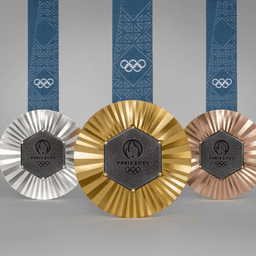
This market will resolve according to the country that wins the most medals (including gold, silver, and bronze) at the 2026 Milano-Cortina Winter Olympics, scheduled for February 6-22, 2026.
In the case of ties, the ordered list for most medals won will use most gold medals won as a tiebreaker (e.g. If Norway and China tie for most medals won, and Norway wins more gold medals than China, Norway will be ranked first and China will be second). If this also results in a tie, the country whose nam
AI-generated analysis based on market data. Not financial advice.
Overview
The prediction market for which country will win the most medals at the 2026 Milano-Cortina Winter Olympics focuses on forecasting the overall medal table champion. This market resolves based on the total medal count (gold, silver, and bronze combined) from the Games scheduled for February 6 to 22, 2026, in Italy. In case of a tie in total medals, the tiebreaker is the number of gold medals won. If a tie persists, alphabetical order of the country name will be used. This market attracts attention from sports analysts, betting enthusiasts, and national Olympic committees as it serves as a key indicator of a nation's winter sports dominance and the effectiveness of its athletic development programs. The outcome is influenced by factors including athlete performance, funding, technological advancements in equipment, and potential geopolitical factors affecting participation. Interest is particularly high given the traditional rivalry between winter sports powerhouses like Norway, Germany, and the United States, and the rising ambitions of countries like China and the Netherlands.
Historical Context
The competition for the most medals at the Winter Olympics has historically been dominated by a small group of nations with strong winter sports traditions and climates. The Soviet Union and later Russia were frequent leaders during the Cold War era, but the landscape shifted after the dissolution of the USSR. Since the 1990s, Germany, fueled by reunification, and Norway, with its deep cross-country skiing and biathlon heritage, have been the most consistent powers. Norway's dominance has been particularly pronounced in the 21st century. They led the medal table at the 2018 PyeongChang Games with 39 total medals and repeated this feat at the 2022 Beijing Games, also with 39 medals, setting a new record for the most medals won by a single nation at a Winter Olympics. The United States last topped the total medal count in 2010 at the Vancouver Games, with 37 medals. The 2022 Games also saw the rise of the Netherlands, a speed skating powerhouse, and China, which used its host status to achieve its best-ever result. This historical pattern shows that success requires sustained investment, a broad athlete base across multiple sports, and often, a climatic advantage for year-round training.
Why It Matters
The race for the most medals carries significant national prestige and has tangible economic and political implications. For a country, topping the medal table is a soft power victory, enhancing its global image and national pride. It can also influence domestic funding for sports federations, as governments often tie financial support to Olympic performance. Success justifies continued or increased public investment in athletic infrastructure, coaching, and youth development programs. For the host nation, Italy, a strong showing can boost tourism and national morale, providing a lasting legacy from the Games. For sponsors and broadcasters, the narrative of a close medal race drives higher viewership and engagement, translating into greater advertising revenue. The outcome also signals shifts in global sporting power, highlighting which nations are successfully adapting to new sports and technologies in the evolving Winter Olympic program.
Current Status
As of late 2024, national Olympic committees are in the final phases of qualification and preparation for the 2026 Games. Norway remains the statistical favorite, maintaining strong World Cup performances in nordic and biathlon events. Germany and the United States are actively campaigning, with the USOPC's 'Project 2026' initiatives now in full effect. The International Olympic Committee has confirmed the full sports program, and athlete qualification events for the 2025-2026 season are about to commence. The geopolitical situation regarding Russian and Belarusian athlete eligibility remains a fluid factor that could impact the final medal table composition.
Frequently Asked Questions
Which country has won the most medals in Winter Olympics history?
Norway is the all-time leader in total Winter Olympic medals, with over 400 medals. This historical dominance, particularly in nordic skiing and biathlon, is a key reason they are consistently favored to top the medal table at modern Games.
How does the tiebreaker work if two countries win the same number of medals?
The primary tiebreaker is the number of gold medals won. The country with more gold medals ranks higher. If gold medals are also tied, the secondary tiebreaker is the country whose name comes first alphabetically, as per the prediction market rules.
What was the medal table result for the last Winter Olympics in Beijing 2022?
Norway finished first with 39 total medals (16 gold, 8 silver, 15 bronze). Germany was second with 27 medals, and China was third with 15 medals. The United States finished fourth with 25 medals.
How does the host nation typically perform in the medal count?
Host nations often perform above their historical average due to increased funding, home-field advantage, and automatic athlete qualifications. For example, China won its most medals ever (15) as host in 2022, and Great Britain won its only modern gold medal in 2010 as host.
Which sports contribute the most medals to the overall count?
Sports with many individual events, like cross-country skiing, biathlon, speed skating, and alpine skiing, typically contribute the highest number of medals. A nation's strength in these 'medal-rich' sports is crucial for topping the overall table.
Was this helpful?
Updated Jan 15, 2026
Educational content is AI-generated and sourced from Wikipedia. It should not be considered financial advice.
Discussion
Community Discussion
Share your predictions and analysis with other traders. Coming soon!