Events
GroupKALSHIPOLYMARKETCross-Platform

Brazil Presidential Election

Brazil Presidential Election
Vol

$114.05M

|
Events

2

|
Markets

30

AI Analysis

Trader mode: Actionable analysis for identifying opportunities and edge

64%
Top Probability
$114.05M
Volume
30
Markets
1.9%
Price Gap

About This Event

A presidential election is scheduled to take place in Brazil on October 4, 2026. This market will resolve according to the listed candidate that wins this election. This market includes any potential second round. If the result of this election isn't known by June 30, 2027, 11:59 PM ET, the market will resolve to "Other". This market will resolve based on the result of the election as indicated by a consensus of credible reporting. If there is ambiguity, this market will resolve based solely

Current Market Outlook

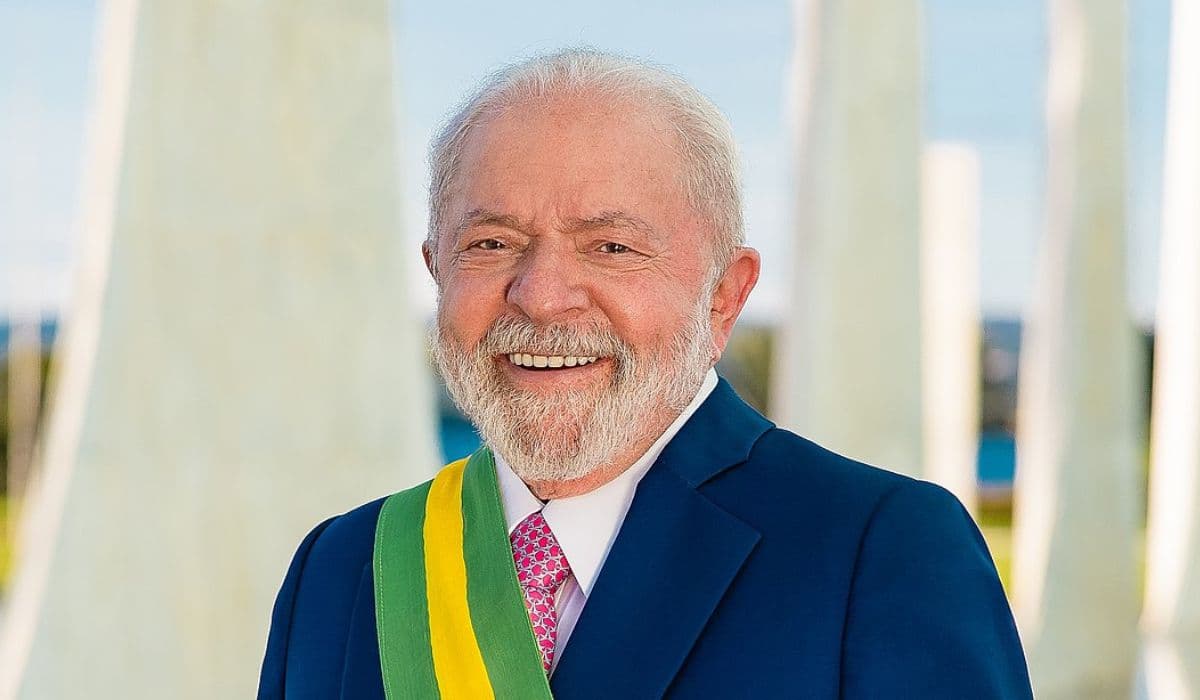
Prediction markets price Lula da Silva at 64% to win the 2026 Brazilian presidential election. That is a moderate confidence level. It means the market sees Lula as the clear favorite but not a lock. The 1.9% spread between Kalshi and Polymarket is small, suggesting the pricing reflects genuine consensus rather than platform-specific quirks.

The market has $114 million in volume across 30 related contracts. That is serious money. For comparison, that puts this election in the same liquidity tier as major US political events.

Key Factors Driving the Odds

Lula benefits from incumbency and a fragmented opposition. Brazil's economy grew 2.9% in 2024, unemployment hit a decade low at 6.6%, and inflation has moderated to 4.5%. Voters generally reward incumbents when their personal finances improve, and real wages have risen under Lula.

The opposition is split. Jair Bolsonaro is barred from running until 2030 after Brazil's electoral court convicted him for abusing political power. His natural successor, like Tarcísio de Freitas or Michelle Bolsonaro, lacks his name recognition and base mobilization. No single opposition candidate has broken 20% in early polling.

Lula's own approval rating sits at 38% approve, 34% disapprove according to Datafolha. That is mediocre but not disastrous. His floor is higher than any challenger's ceiling right now.

What Could Change These Odds

The biggest risk is Lula's health. He is 79 years old. If he withdraws for medical reasons, the market would collapse. The "Other" category at current prices does not fully account for a scenario where Lula drops out and the Workers' Party nominates a weaker successor like Geraldo Alckmin or Fernando Haddad.

Second, the economy could sour. Brazil's fiscal deficit is 8% of GDP. If inflation spikes above 7% or the real depreciates sharply, Lula's economic record becomes a liability rather than an asset.

Third, the opposition could consolidate. If Bolsonaro-endorsed candidates unite behind a single center-right figure by mid-2026, the race tightens. The market prices this as unlikely, but it is the most plausible path to a Lula loss.

Cross-Platform Analysis

Kalshi prices Lula at 65%, Polymarket at 63%. The 2-point spread is within normal noise for an event 69 days out. Both platforms show similar volume-weighted pricing. No arbitrage opportunity exists after accounting for withdrawal fees and settlement risk.

AI-generated analysis based on market data. Not financial advice.

Overview

The Brazil presidential election is scheduled for October 4, 2026, with a potential second round on October 25, 2026, if no candidate receives over 50% of valid votes in the first round. Brazil uses a two-round system for its presidential elections, a structure that has been in place since the 1988 Constitution. The election will determine the successor to President Luiz Inácio Lula da Silva, who was elected in 2022 and is eligible for reelection under Brazil's one consecutive term limit. The election occurs amid a polarized political climate, with deep divisions between left-wing and right-wing factions. Key issues include economic performance, Amazon deforestation, social inequality, and corruption scandals. The outcome will shape Brazil's role in global climate policy, trade relations, and regional leadership. Prediction markets have shown significant interest in this race, with fluctuating odds reflecting the uncertainty around potential candidates and coalition dynamics. The election also attracts international attention because Brazil is the largest economy in Latin America and a major agricultural and resource exporter.

Historical Context

Brazil's presidential elections have been held every four years since 1989, following the end of the military dictatorship that ruled from 1964 to 1985. The 1988 Constitution established a two-round system to ensure majority support. The 1994 election saw Fernando Henrique Cardoso win after implementing the Real Plan, which stabilized the economy. Lula was first elected in 2002, breaking a pattern of centrist or right-wing governments. He was reelected in 2006 and left office with high approval ratings in 2010. The 2014 election was highly contested, with Dilma Rousseff winning a narrow second-round victory over Aécio Neves. Rousseff was impeached in 2016 for fiscal mismanagement, leading to Michel Temer's presidency. The 2018 election saw Jair Bolsonaro win amid widespread anti-establishment sentiment, fueled by corruption scandals and economic recession. Bolsonaro's 2022 loss to Lula was close, with Lula winning 50.9% of the vote in the second round. The 2022 election also saw the highest number of invalid votes in a second round since 1989, reflecting deep polarization. In the 2024 municipal elections, the right-wing parties made gains, winning control of more city halls than the left, which may signal shifting voter preferences ahead of 2026.

Why It Matters

The 2026 Brazil presidential election will determine the direction of the world's fifth-largest country by population and the largest economy in Latin America. Brazil is a critical player in global climate policy, hosting 60% of the Amazon rainforest. The election outcome will influence deforestation rates, which dropped by 50% in 2023 under Lula but remain a concern. Economic policies, including fiscal spending, social programs, and trade agreements, will affect Brazil's GDP growth, which was 2.9% in 2024, and inflation, which was 4.5% in early 2025. The election also has implications for international relations, particularly with the United States, China, and the European Union. Brazil is a member of BRICS and a major exporter of soy, iron ore, and oil. A change in government could shift Brazil's stance on global issues like Ukraine and trade tariffs. Domestically, the election will address social inequality, with the Gini coefficient at 0.53 in 2023, one of the highest in the world. Public safety, corruption, and education are also key concerns. The election will test the resilience of Brazil's democratic institutions, which faced challenges during Bolsonaro's presidency, including attacks on the electoral system. A close or disputed result could lead to political instability, as seen in the January 2023 attacks on government buildings by Bolsonaro supporters.

Current Status

As of early 2025, the 2026 presidential election is still over a year away, but campaigning has begun informally. Lula has not officially declared his candidacy, but he is widely expected to run for reelection. His approval ratings have declined due to economic headwinds, including high interest rates and slow growth. On the right, Jair Bolsonaro remains ineligible, but his supporters are rallying around potential candidates like Tarcísio de Freitas and Romeu Zema, governor of Minas Gerais. The Superior Electoral Court has not yet ruled on any appeals to Bolsonaro's ineligibility. Centrist parties, including the MDB and PSDB, are discussing potential alliances. The Brazilian Democratic Movement (MDB) has not yet chosen a candidate, with some members pushing for Simone Tebet. The Workers' Party (PT) is consolidating support among left-wing allies but faces challenges from the right-wing surge in the 2024 municipal elections. The election calendar includes party conventions in July 2026, candidate registration in August, and the first round on October 4. The campaign will likely focus on economic management, public safety, and environmental policy.

Frequently Asked Questions

When is the Brazil presidential election in 2026?

The first round is scheduled for October 4, 2026. If no candidate wins over 50% of valid votes, a second round will be held on October 25, 2026.

Can Lula run for reelection in 2026?

Yes, Lula is eligible for reelection. Brazilian presidents are limited to two consecutive terms, and Lula's first term was from 2003 to 2010. His 2022-2026 term is his first consecutive term, so he can run again.

Was this helpful?
Updated Jul 27, 2026

Educational content is AI-generated and sourced from Wikipedia. It should not be considered financial advice.

Market Insights

Average Yes Price
12¢
Polymarket
13¢
Kalshi
3¢ price gap
Arbitrage Opps
1
Cross-Platform
8