$1.46M
1
1

1 market tracked

No data available
| Market | Platform | Price |
|---|---|---|
![]() | Poly | 24% |
$1.46M
1
1
Trader mode: Actionable analysis for identifying opportunities and edge
This market will resolve to “Yes” if IMF Portwatch publishes a 7-day moving average of transit calls (“Arrivals of Ships”) for the Strait of Hormuz equal to or above 60 for any date between market creation and April 30, 2026. Otherwise, this market will resolve to “No”. Daily transit calls include container, dry bulk, roll-on/roll-off, general cargo, and tanker ships. Ships not reported by IMF Portwatch will not be considered. This market will resolve as soon as IMF Portwatch publishes a 7-day
AI-generated analysis based on market data. Not financial advice.
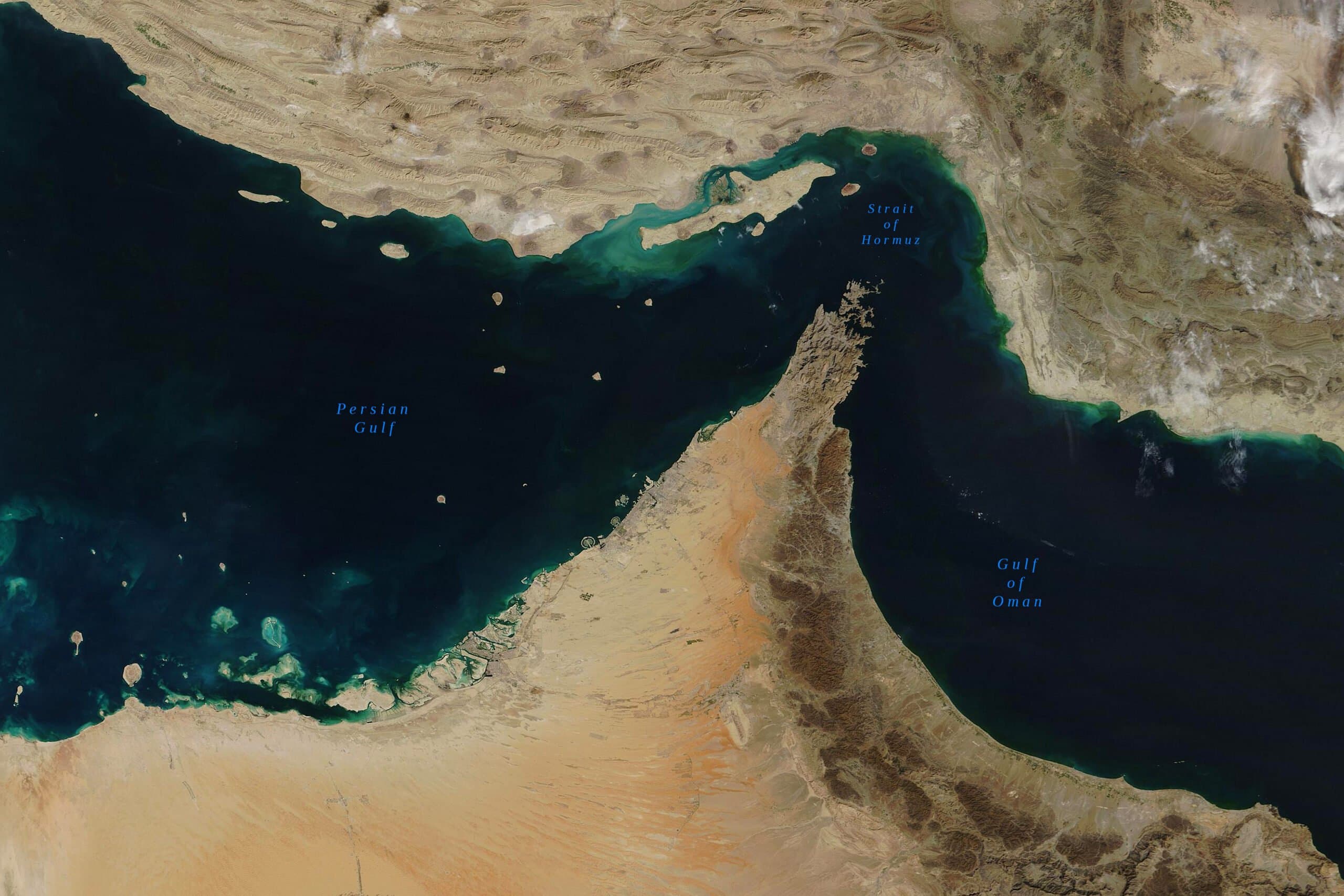
This prediction market focuses on whether maritime traffic through the Strait of Hormuz will return to normal levels by the end of April 2026. The market specifically tracks data from the International Monetary Fund's Portwatch platform, which monitors global shipping. It will resolve to 'Yes' if Portwatch publishes a 7-day moving average of transit calls, including container, bulk, and tanker ships, that reaches 60 or higher at any point before April 30, 2026. The Strait of Hormuz is a narrow waterway between Oman and Iran that connects the Persian Gulf with the Gulf of Oman and the Arabian Sea. Approximately one-fifth of the world's oil supply passes through this chokepoint, making it one of the most strategically important maritime passages globally. Recent tensions, including attacks on commercial vessels and regional conflicts, have periodically disrupted shipping traffic, causing volatility in global energy markets and shipping insurance rates. Investors and analysts monitor this traffic as a real-time indicator of geopolitical stability and supply chain security. The IMF's Portwatch data provides an objective, publicly available metric for assessing the situation, which is why it serves as the resolution source for this market. The question of whether traffic normalizes by April 2026 reflects expectations about the duration and severity of current and potential future disruptions in this critical region.
The strategic importance of the Strait of Hormuz has been recognized for centuries, but its modern significance is tied to the discovery of oil in the Persian Gulf in the early 20th century. The 1980-1988 Iran-Iraq War featured the 'Tanker War,' where both sides attacked oil tankers and merchant ships in the Gulf. This led to the U.S. Navy reflagging and escorting Kuwaiti tankers in Operation Earnest Will in 1987-1988, marking the first major American military commitment to keeping the Strait open. In the 21st century, tensions have flared repeatedly. In July 2019, Iran seized the British-flagged tanker Stena Impero, two weeks after British forces detained an Iranian tanker near Gibraltar. This followed a series of mysterious attacks on six tankers in the Gulf of Oman earlier that same year. In January 2022, the Houthis claimed an attack on a UAE-bound vessel in the Gulf of Oman, demonstrating the expanding geography of regional maritime threats. These incidents have created a pattern of periodic disruptions where traffic numbers fall, followed by international naval responses and a gradual return to normalcy. The current prediction market question exists within this cycle of provocation, response, and stabilization.
The flow of oil and liquefied natural gas (LNG) through the Strait of Hormuz is a cornerstone of the global economy. A sustained closure or significant reduction in traffic would trigger a sharp increase in global oil prices, raising costs for transportation, manufacturing, and heating worldwide. Economies in Asia, particularly Japan, South Korea, China, and India, which rely heavily on Gulf energy imports, would be disproportionately affected. Politically, a crisis in the Strait could draw the United States and its allies into a direct military confrontation with Iran, with unpredictable consequences for regional stability. For the shipping and insurance industries, volatility in the Strait translates directly into higher war risk premiums, increased operating costs, and complex decisions about rerouting vessels around the Cape of Good Hope, which adds roughly two weeks to voyage times between Asia and Europe. The normalization of traffic is therefore a key indicator of both economic predictability and geopolitical de-escalation.
As of early 2025, maritime traffic through the Strait of Hormuz continues, but under a cloud of regional instability. The ongoing conflict between Israel and Hamas, and the Houthi attacks on shipping in the Red Sea, have raised overall tensions but have not yet caused a major, sustained closure of the Hormuz Strait itself. Iran has conducted military exercises in the area and has occasionally harassed commercial vessels, but it has avoided actions that would completely halt traffic. Shipping companies are navigating the area with heightened caution, and insurance premiums remain elevated compared to peaceful periods. The IMF Portwatch data shows fluctuations in daily transit calls, reflecting the volatile security environment. The path to a sustained return to a 7-day average of 60 or more calls depends on the absence of a major new incident in the Strait and a potential de-escalation of the broader regional conflicts.
The IMF Portwatch is a platform launched by the International Monetary Fund that uses satellite-based automatic identification system (AIS) data to monitor global shipping activity in near-real time. It tracks the location, identity, and speed of large commercial vessels to provide insights into trade flows and economic activity.
No, the Strait of Hormuz has never been completely closed in modern history. There have been periods of severe disruption, such as during the 1980s Tanker War, but traffic has always continued, albeit at reduced levels and with significant military escorts. A complete closure is considered a worst-case scenario.
Asian economies like China, Japan, India, and South Korea are the largest importers of oil from the Persian Gulf and are most directly affected. Within the region, Gulf Cooperation Council (GCC) oil exporters like Saudi Arabia, the UAE, Kuwait, Qatar, and Iraq are entirely dependent on the Strait to export their energy resources.
The only existing alternative for oil exports is the East-West Pipeline across Saudi Arabia, which can carry about 5 million barrels per day from the Gulf to the Red Sea port of Yanbu. This capacity is less than a quarter of the Strait's normal flow. Other pipelines are either defunct or have very limited capacity, making alternatives insufficient for global needs.
Educational content is AI-generated and sourced from Wikipedia. It should not be considered financial advice.
No related news found
Add this market to your website
<iframe src="https://predictpedia.com/embed/FQB8dT" width="400" height="160" frameborder="0" style="border-radius: 8px; max-width: 100%;" title="Strait of Hormuz traffic returns to normal by end of April?"></iframe>