$1.76K
1
1

1 market tracked

No data available
| Market | Platform | Price |
|---|---|---|
![]() | Poly | 7% |
$1.76K
1
1
Trader mode: Actionable analysis for identifying opportunities and edge
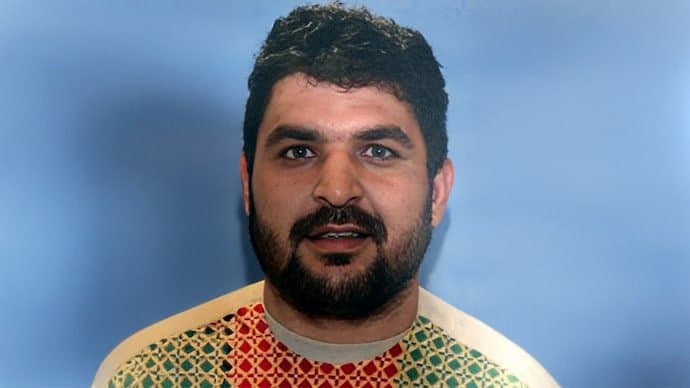
The Afghan man Rahmanullah Lakanwal, who allegedly shot two National Guard members in Washington D.C. on November 26, is rumored to have been blackmailed into the shooting by the Taliban. This market will resolve to “Yes” if it is confirmed, by either relevant U.S. law enforcement agencies or a consensus of credible reporting, that Lakanwal was blackmailed by the Taliban to commit this shooting by March 31, 2026, 11:59 PM ET. Otherwise, this market will resolve to “No”. For the purposes of thi
Prediction markets currently assign a low 7% probability that U.S. authorities or credible reporting will confirm the Taliban blackmailed the alleged D.C. shooter by the March 31, 2026 deadline. This price indicates the market views such a confirmation as very unlikely, though not impossible. With only approximately $2,000 in total market volume, liquidity is thin, suggesting limited trader confidence or attention, which can lead to higher volatility in the quoted odds.
The low probability is primarily driven by the absence of official evidence or credible leaks supporting the blackmail narrative since the November 26 incident. Initial law enforcement statements focused on the shooter's individual actions and background, not foreign coercion. Historically, claims of terrorist group involvement in U.S. domestic attacks often surface in rumors but are rarely substantiated without clear intelligence findings, a pattern the market appears to be pricing in. Furthermore, the Taliban's typical operational patterns involve claiming responsibility for attacks, not discreet blackmail, making this alleged method an intelligence and behavioral outlier.
The odds could shift significantly if major developments occur before the resolution date. A key catalyst would be an official statement from the FBI, Department of Justice, or the National Counterterrorism Center concluding an investigation found evidence of Taliban blackmail. Alternatively, detailed reporting from major outlets like The New York Times or The Washington Post citing named intelligence sources could move the market. The probability may also see temporary spikes if influential lawmakers or committee hearings publicly discuss the possibility, though such political commentary alone is unlikely to trigger market resolution without official confirmation.
AI-generated analysis based on market data. Not financial advice.
This prediction market topic concerns whether U.S. authorities or credible reporting will confirm that Rahmanullah Lakanwal, the Afghan man accused of shooting two National Guard members in Washington D.C. on November 26, 2024, was blackmailed by the Taliban to commit the attack. The market resolves to 'Yes' if such confirmation occurs by March 31, 2026. The shooting incident itself was a significant security event in the U.S. capital, resulting in injuries to two service members outside the Harry S. Truman Building, which houses the U.S. Department of State. Initial investigations focused on Lakanwal's motives and background as an Afghan national. The specific rumor of Taliban blackmail introduces a complex layer of potential foreign influence and coercion in a domestic violent act. Interest in this topic stems from its implications for national security, the ongoing threat assessment of terrorist organizations like the Taliban, and the methodology of investigations into ideologically or externally motivated violence. The confirmation criteria hinge on official statements from agencies like the FBI or a consensus among major investigative news organizations, making it a matter of evidentiary verification and intelligence disclosure.
The context for this topic is rooted in the long history of Taliban operations and the pattern of attacks by individuals claiming or suspected of foreign inspiration within the United States. The Taliban retook control of Afghanistan in August 2021 following the U.S. withdrawal. Since then, U.S. intelligence agencies have warned of the group's continued intent to threaten U.S. interests, though primarily focused on targets in the region. Historically, the Taliban and its affiliated Haqqani Network have used coercion, including threats against family members in Afghanistan, to compel actions from individuals abroad. A precedent for this market is the 2019 shooting at Naval Air Station Pensacola by a Saudi aviation student. While that was linked to Al-Qaeda, the investigation revealed complex foreign ties and ideological influence, demonstrating how such probes can take years to fully unravel motives. Furthermore, the December 2015 San Bernardino attack, though inspired by ISIS, involved a married couple where the FBI investigated potential external direction. These cases show that confirming a specific coercive link like blackmail requires extensive forensic investigation, digital analysis, and often intelligence community assessment, processes that can extend over many months or years.
Confirmation of Taliban blackmail in a domestic shooting would represent a significant escalation in the perceived threat landscape for the United States. It would indicate the Taliban has both the intent and capability to directly orchestrate or coerce violence on U.S. soil, moving beyond regional insurgency to transnational terrorism. This would force a major reassessment of U.S. counterterrorism policy and intelligence priorities regarding Afghanistan, potentially leading to increased resources for monitoring the Afghan diaspora and more aggressive diplomatic or economic pressure on the Taliban regime. Politically, such a confirmation would intensify debates over the consequences of the 2021 withdrawal from Afghanistan and the current administration's strategy for dealing with the Taliban. For the public and law enforcement, it would underscore a evolving threat vector where foreign actors exploit personal vulnerabilities to recruit or compel attackers, complicating traditional prevention models that focus on self-radicalization or direct recruitment.
As of early 2025, Rahmanullah Lakanwal is in federal custody facing serious charges related to the shooting. The official investigation by the FBI and other agencies is ongoing. No U.S. law enforcement agency has publicly confirmed any link between Lakanwal and Taliban blackmail. The rumor appears primarily in certain media reports and analyst commentary speculating on potential motives based on the perpetrator's background. The U.S. government's public statements have focused on the criminal act itself rather than affirming any specific foreign nexus. The investigation is likely proceeding through multiple channels, including forensic analysis of digital devices, interviews, and intelligence community reviews.
It means a consensus emerges across multiple major, reputable news organizations with investigative capabilities, such as The New York Times, The Washington Post, or the Associated Press, based on sourcing from officials familiar with the investigation. It would not be based on a single anonymous source or unverified claim.
As of early 2025, the Taliban has not publicly claimed responsibility for orchestrating or inspiring the Washington D.C. shooting. The market specifically concerns blackmail, which is a form of covert coercion, not public responsibility-claiming.
The lead would likely be the FBI, possibly in conjunction with the National Counterterrorism Center (NCTC) and the Department of Justice. Confirmation could come via an official press conference, a court filing (like a sentencing memorandum), or an unclassified report to Congress.
Confirmed cases are rare but not unprecedented. More common are instances of coercion against family abroad or financial extortion to support groups. A confirmed case of blackmail leading directly to a violent attack on U.S. soil would be a significant and serious development.
The market resolves based on confirmation by that deadline. If the investigation remains open without official confirmation or a consensus in credible reporting, the market would resolve to 'No.' Ongoing investigations do not equate to confirmation.
Educational content is AI-generated and sourced from Wikipedia. It should not be considered financial advice.
Share your predictions and analysis with other traders. Coming soon!

No related news found
Add this market to your website
<iframe src="https://predictpedia.com/embed/GzCPxs" width="400" height="160" frameborder="0" style="border-radius: 8px; max-width: 100%;" title="Taliban blackmail of D.C. shooter confirmed by March 31?"></iframe>