Trader mode: Actionable analysis for identifying opportunities and edge
100%
Top Probability
$22.71M
Volume
39
Markets
4.2%
Price Gap
About This Event
2026
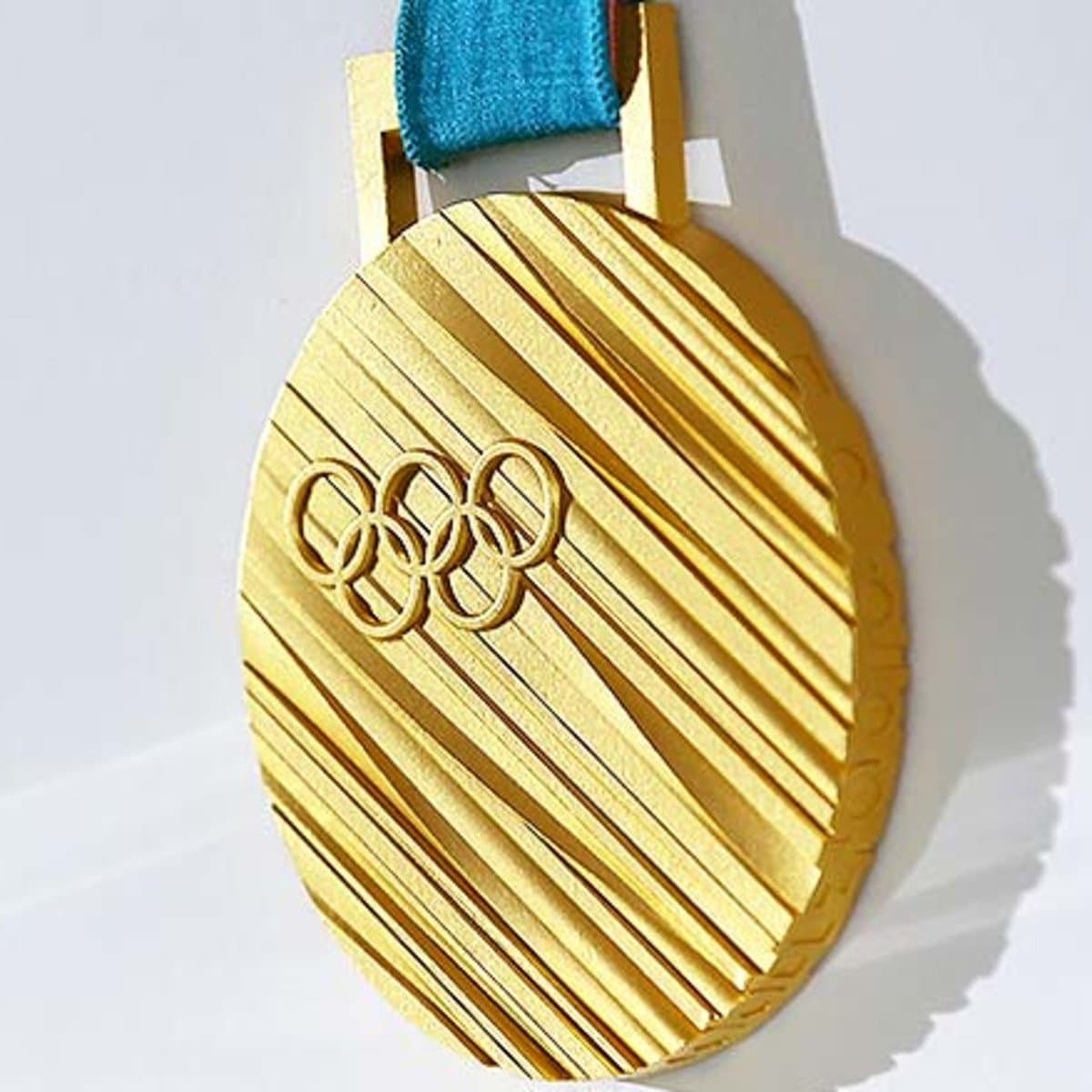
If X finishes with most gold medals at the 2026 Winter Olympics, then the market resolves to Yes. If multiple participants are tied for the achievement, "Yes" holder will receive $1 divided by the number of tie participants, rounded down to the nearest cent, and "No" holders receive $1 minus the Yes payout. This market will close and expire if the event occurs.
AI-generated analysis based on market data. Not financial advice.
Overview
This prediction market focuses on which nation will win the most gold medals at the 2026 Winter Olympic Games, officially known as the XXV Olympic Winter Games. The event is scheduled to take place from February 6 to February 22, 2026, in Milan and Cortina d'Ampezzo, Italy. The market resolves based on the final official medal table published by the International Olympic Committee (IOC). If a specific nation, designated as 'X' in the market, finishes atop the gold medal count, it resolves to Yes. In the case of a tie for first place, payouts are prorated accordingly. This type of market attracts interest from sports analysts, betting enthusiasts, and observers of international competition, as the gold medal race is a primary measure of national sporting success at the Olympics. The outcome depends on the performance of hundreds of athletes across 16 sports and over 100 medal events, from alpine skiing to speed skating. Recent Olympic cycles have seen intense competition for this title, making it a focal point for national Olympic committees and a popular subject for predictive analysis. The 2026 Games in Italy will be the first Winter Olympics held in the country since the 2006 Turin Games, adding a layer of regional interest and potential home-field advantage for the Italian team.
Historical Context
The competition for the most gold medals at the Winter Olympics has been led by a small group of nations with established winter sports traditions. From the first Winter Games in Chamonix in 1924 through much of the 20th century, the Soviet Union and later Russia, along with Norway, Germany, and the United States, were the most frequent leaders. Norway's current era of dominance began in the 1990s following the dissolution of the Soviet Union. At the 1994 Lillehammer Games, Norway won a then-record 10 gold medals and topped the table on home snow. This marked the start of a sustained investment in winter sports infrastructure and athlete development. The nation solidified its status by leading the gold medal count at the 2018 PyeongChang Games with 14 golds and then breaking the all-time record with 16 gold medals at the 2022 Beijing Games. The previous record of 13 golds was held by the Soviet Union (1976), East Germany (1988), and Canada (2010). Germany, competing as a unified team since 1992, has been the primary challenger, topping the table in 1992, 1998, and 2006. The United States last led in 2010 with 9 golds. This historical pattern shows that winning the gold medal race requires excellence across multiple disciplines over several Olympic cycles, not just a few standout performances.
Why It Matters
Finishing first in the gold medal count carries significant national prestige and is often viewed as a soft power victory. Governments and national Olympic committees invest hundreds of millions of dollars in athlete development programs with the explicit goal of topping the medal table. Success can boost national pride, inspire youth participation in sports, and validate public funding for athletic institutions. For host nations like Italy in 2026, a strong medal performance can enhance the domestic legacy and economic return on the massive investment required to stage the Games. Conversely, underperformance can lead to public scrutiny and calls for reform within national sports bodies. The competition also reflects broader geopolitical narratives, with rivalries between nations playing out on the sporting stage. The results influence sponsorship deals for national teams and can affect the commercial viability of lesser-known winter sports within a country.
Current Status
As of late 2024, nations are in the final phases of qualifying athletes for the 2026 Games. The competitive season for the 2025-2026 winter sports World Cup circuits, which serve as primary Olympic qualifiers, will begin in late 2025. Norway remains the clear favorite based on its sustained dominance, particularly in Nordic sports. However, Germany continues to excel in technical and sliding events. The United States, Canada, and the Netherlands are expected to be strong in specific sports like freestyle skiing, ice hockey, and speed skating, respectively. The Italian team, as hosts, is receiving increased funding and could improve upon its performance from recent Games. All teams are managing athlete retirements, injuries, and the emergence of new talent in the lead-up to the final competitions.
Frequently Asked Questions
Which country has won the most gold medals in Winter Olympics history?
Norway has won the most gold medals in Winter Olympics history, with over 140 total. They also hold the record for the most golds at a single Games, winning 16 at the 2022 Beijing Olympics.
How are ties in the gold medal count resolved for the official standings?
The International Olympic Committee's official standings first rank nations by the number of gold medals. If two nations have the same number of golds, the tie is broken by the number of silver medals, then bronze medals. If still tied, nations are listed alphabetically.
What sports contribute the most gold medals for Norway?
Norway's gold medals primarily come from cross-country skiing and biathlon. At the 2022 Games, Norwegian athletes won 5 golds in cross-country skiing and 6 golds in biathlon, accounting for 11 of their record 16 total gold medals.
Has a host nation ever won the most gold medals at the Winter Olympics?
Yes, but it is uncommon. The United States did it in 1932 at Lake Placid and in 2002 at Salt Lake City. Norway did it in 1994 at Lillehammer. More recently, host nations like South Korea (2018) and China (2022) did not top the table.
When will the final medal table for the 2026 Olympics be confirmed?
The final official medal table will be confirmed and published by the International Olympic Committee shortly after the closing ceremony on February 22, 2026. All results are considered provisional until officially ratified by the IOC.
Was this helpful?
Updated Feb 19, 2026
Educational content is AI-generated and sourced from Wikipedia. It should not be considered financial advice.