$986.28
1
11

$986.28
1
11
11 markets tracked

No data available
| Market | Platform | Price |
|---|---|---|
![]() | Poly | 52% |
![]() | Poly | 13% |
![]() | Poly | 12% |
![]() | Poly | 10% |
![]() | Poly | 8% |
![]() | Poly | 8% |
![]() | Poly | 7% |
![]() | Poly | 5% |
![]() | Poly | 4% |
Trader mode: Actionable analysis for identifying opportunities and edge
The Santa Cruz de la Sierra mayoral election is scheduled to take place in Bolivia on March 22, 2026. This market will resolve according to the candidate who wins this election. If the result of this election isn't known by December 31, 2026, 11:59 PM ET, the market will resolve to "Other". This market will resolve based on the result of the election as indicated by a consensus of credible reporting. If there is ambiguity, this market will resolve based solely on the official results as repor
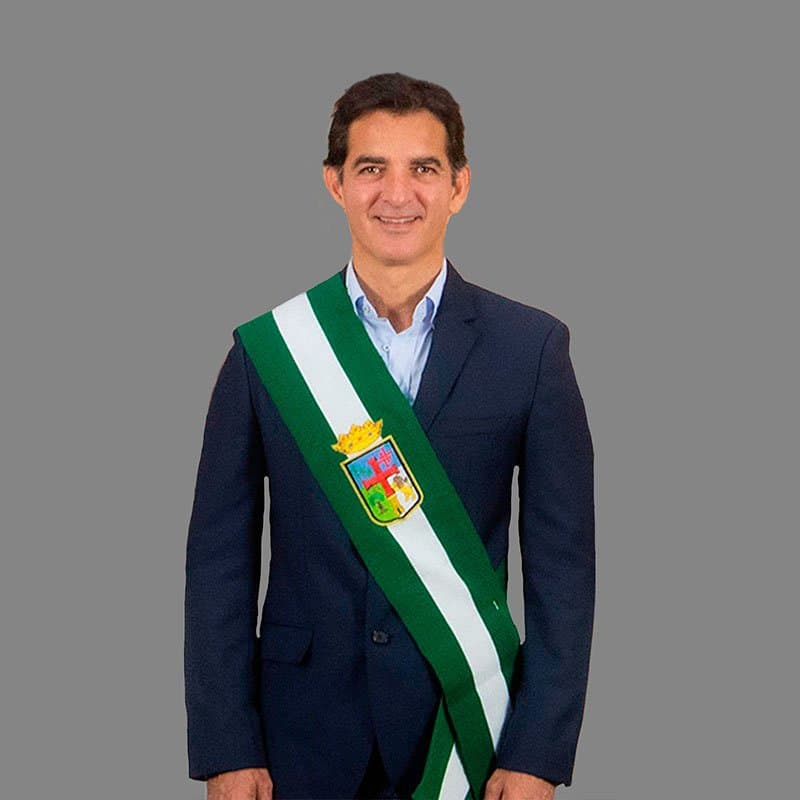
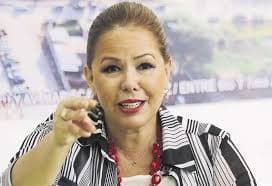
Prediction markets currently price Manuel Saavedra's chances of winning the 2026 Santa Cruz de la Sierra mayoral election at 52%. This razor-thin margin indicates the market views the race as a pure toss-up, with no meaningful favorite emerging. The "Yes" share trading at 52 cents implies a 52% probability of a Saavedra victory, essentially reflecting a coin flip. Total market volume is low, at approximately $1,000 spread across 11 candidate markets, signaling limited trader conviction and high sensitivity to new information.
The even odds stem from two primary factors. First, the election is still over two months away, and formal campaigning in Bolivia typically intensifies in the final weeks, leaving much of the electoral landscape undefined. Second, Santa Cruz de la Sierra is Bolivia's wealthiest and most populous city, and its mayoral race is a major political battleground. The incumbent, Jhonny Fernández of the Vamos Por Santa Cruz party, is term-limited, creating an open race where established political machines and new alliances are still consolidating. Saavedra, a former municipal councilor, represents a faction within the city's dominant center-right political sphere, but he faces potential fragmentation of that vote among other prominent candidates.
The current pricing is highly volatile due to low liquidity and the pre-campaign phase. The odds will solidify following key events. The official closure of candidate registrations and the launch of formal coalitions will clarify the field, potentially consolidating support behind fewer contenders. Any major endorsements from influential figures like former Mayor Percy Fernández or business groups in Santa Cruz could cause immediate swings. Finally, the release of independent, credible polling data, which is currently absent, will provide the first concrete measure of voter intent and likely trigger significant market movement.
AI-generated analysis based on market data. Not financial advice.
The Santa Cruz de la Sierra mayoral election, scheduled for March 22, 2026, is a pivotal subnational political contest in Bolivia. Santa Cruz de la Sierra is not only the capital of the Santa Cruz Department but also Bolivia's most populous city and its economic powerhouse, accounting for approximately 30% of the nation's GDP. The election will determine the city's chief executive, who oversees a metropolitan area of over 2.5 million people and manages a significant municipal budget. This race is viewed as a critical bellwether for national political sentiment, particularly regarding the balance of power between the central government in La Paz and the autonomist-leaning eastern lowlands, where Santa Cruz is located. The election occurs in a complex political climate shaped by the legacy of the 2019 political crisis, ongoing tensions between the national Movement for Socialism (MAS) party and regional opposition forces, and significant urban challenges including infrastructure, security, and economic development. International observers and domestic analysts are closely monitoring the campaign, as the outcome could influence Bolivia's political trajectory ahead of the 2030 general elections. The result will also test the organizational strength of new political alliances that have formed in opposition to the ruling MAS party.
The political significance of Santa Cruz de la Sierra's mayoralty is deeply rooted in Bolivia's regional and ethnic tensions. Since the late 20th century, Santa Cruz has been the epicenter of the 'Media Luna' (Half Moon) region's autonomy movement, which advocates for greater control over local resources and taxes, often in opposition to the highland-based political establishment. This conflict intensified after the election of Evo Morales, Bolivia's first Indigenous president from the MAS party, in 2005. In 2008, the city was the site of violent clashes between pro-autonomy civic groups and Morales supporters. The 2010 and 2015 mayoral elections were won by Percy Fernández of the opposition party, Verdes, who served for a decade and solidified the city's role as a counterweight to La Paz. The 2021 mayoral election was a major upset, with Jhonny Fernández of Creemos defeating the MAS candidate, signaling a consolidation of opposition power following the 2019 political crisis that led to Morales's resignation. Historically, the mayor's office has been a launching pad for national political careers and a strategic platform for challenging the central government's policies, particularly on economic and fiscal matters. The 2026 election continues this pattern of Santa Cruz serving as a critical battleground in Bolivia's ongoing struggle between centralism and regional autonomy.
The outcome of the Santa Cruz mayoral election has profound implications for Bolivia's national unity and economic stability. As the country's financial and agro-industrial hub, policies set by the city's mayor directly affect national GDP growth, investment climate, and international trade, given the city's role in exporting commodities like soybeans, beef, and hydrocarbons. Politically, a victory for the opposition would reinforce the autonomy movement and potentially galvanize efforts to reform Bolivia's centralized political model, increasing pressure on the MAS government in La Paz. Conversely, a MAS victory would represent a historic breakthrough, weakening the opposition's strongest territorial base and strengthening the ruling party's mandate ahead of the 2030 presidential election. Socially, the election is a referendum on the management of urgent urban issues, including crime, traffic congestion, and public service delivery for a rapidly growing population. The mayor's approach to these challenges will shape the quality of life for millions and set precedents for municipal governance across Bolivia. The election also matters to international actors, including neighboring countries and foreign investors, who view Santa Cruz's political direction as an indicator of Bolivia's overall stability and policy orientation.
As of late 2024, the electoral landscape is in a formative phase. Potential candidates are conducting informal polling and seeking alliances, but no major party has officially declared its nominee. The ruling MAS party is engaged in internal discussions to select a candidate who can be competitive in a challenging territory. Meanwhile, the opposition bloc, primarily led by the Creemos party, is navigating internal dynamics between figures like Jhonny Fernández and other potential aspirants. The powerful Santa Cruz Civic Committee has begun hosting forums to discuss the city's priority issues, which will inform its eventual political stance. Key issues emerging in early public discourse include public safety, after a reported rise in crime rates, the management of rapid urban expansion, and the need for improved public transportation infrastructure. The national electoral tribunal is expected to formally call for candidates and begin the official campaign period in late 2025.
As of 2024, the mayor is Jhonny Fernández of the Creemos party, who was elected in 2021. His term concludes in 2025, and he is constitutionally barred from immediate re-election, creating an open race for the 2026 contest.
The election is crucial because Santa Cruz is Bolivia's wealthiest and most populous city. The winner will control significant economic resources and political influence, shaping national debates on autonomy, resource distribution, and opposition to the central government.
The main competitors are expected to be Creemos, the dominant opposition party in the region, and the national ruling party, the Movement for Socialism (MAS). Other local parties or civic groups may also form alliances or field candidates, depending on coalition negotiations.
Key voter concerns typically include crime and public safety, chronic traffic congestion, management of urban sprawl and basic services, and the city's economic competitiveness. The relationship with the national government over tax revenue and autonomy statutes is also a perennial issue.
No, according to Bolivian law, mayors and other elected officials are subject to term limits. Fernández cannot run for immediate re-election in 2026, though he could potentially run again after sitting out one term.
Educational content is AI-generated and sourced from Wikipedia. It should not be considered financial advice.


No related news found
Share your predictions and analysis with other traders. Coming soon!
Add this market to your website
<iframe src="https://predictpedia.com/embed/H9nlie" width="400" height="160" frameborder="0" style="border-radius: 8px; max-width: 100%;" title="Santa Cruz de la Sierra Mayoral Election Winner (Bolivia)"></iframe>