$1.07K
1
1

1 market tracked

No data available
| Market | Platform | Price |
|---|---|---|
![]() | Poly | 19% |
Trader mode: Actionable analysis for identifying opportunities and edge
This market will resolve to "Yes" if Apple releases a new Vision Pro product by December 31, 2026, 11:59 PM ET. Otherwise, this market will resolve to "No". A qualifying product must be named "Apple Vision" and be recognized as a successor to the original Apple Vision Pro product, similar to the relationship between iPhone 14 and iPhone 15. A new Apple Vision product released without a number, under a designation other than Apple Vision Pro 2 will qualify if it retains the original functions of
Prediction markets currently assign a low probability to a second-generation Apple Vision Pro launching before 2027. On Polymarket, the "Yes" share trades at 19¢, implying just a 19% chance. This price indicates the consensus view is strongly skeptical of a new release within this timeframe, viewing it as a possible but unlikely outcome. With only $1,000 in total market volume, this reflects thin, speculative liquidity rather than a deeply held conviction.
The low probability is primarily driven by Apple's established product development cycles and the specific challenges of the Vision Pro platform. The first-generation Vision Pro, announced in June 2023 and released in early 2024, represents an entirely new product category for Apple. Historically, Apple's major new platforms, like the original iPhone or Apple Watch, have seen multi-year gaps before a numbered successor, as the company focuses on refining software, building an ecosystem, and analyzing extensive market feedback. Furthermore, the high price and niche developer interest in the initial Vision Pro suggest Apple's priority will be cultivating the platform's foundation and expanding its user base before rushing a hardware revision.
The odds could shift significantly with official signals from Apple regarding its roadmap. A developer conference announcement in mid-2025, such as at WWDC, revealing a next-generation model for a 2026 release would cause the "Yes" probability to surge. Conversely, continued silence from Apple through 2025, or executive commentary emphasizing long-term platform development over rapid hardware iteration, would reinforce the current low probability. Another major catalyst would be a surprise acceleration in competitor innovation within the spatial computing space, potentially pressuring Apple to shorten its refresh cycle to maintain leadership. The market will be highly sensitive to any supply chain reports in late 2025 or early 2026 concerning new component orders for an Apple headset.
AI-generated analysis based on market data. Not financial advice.
$1.07K
1
1
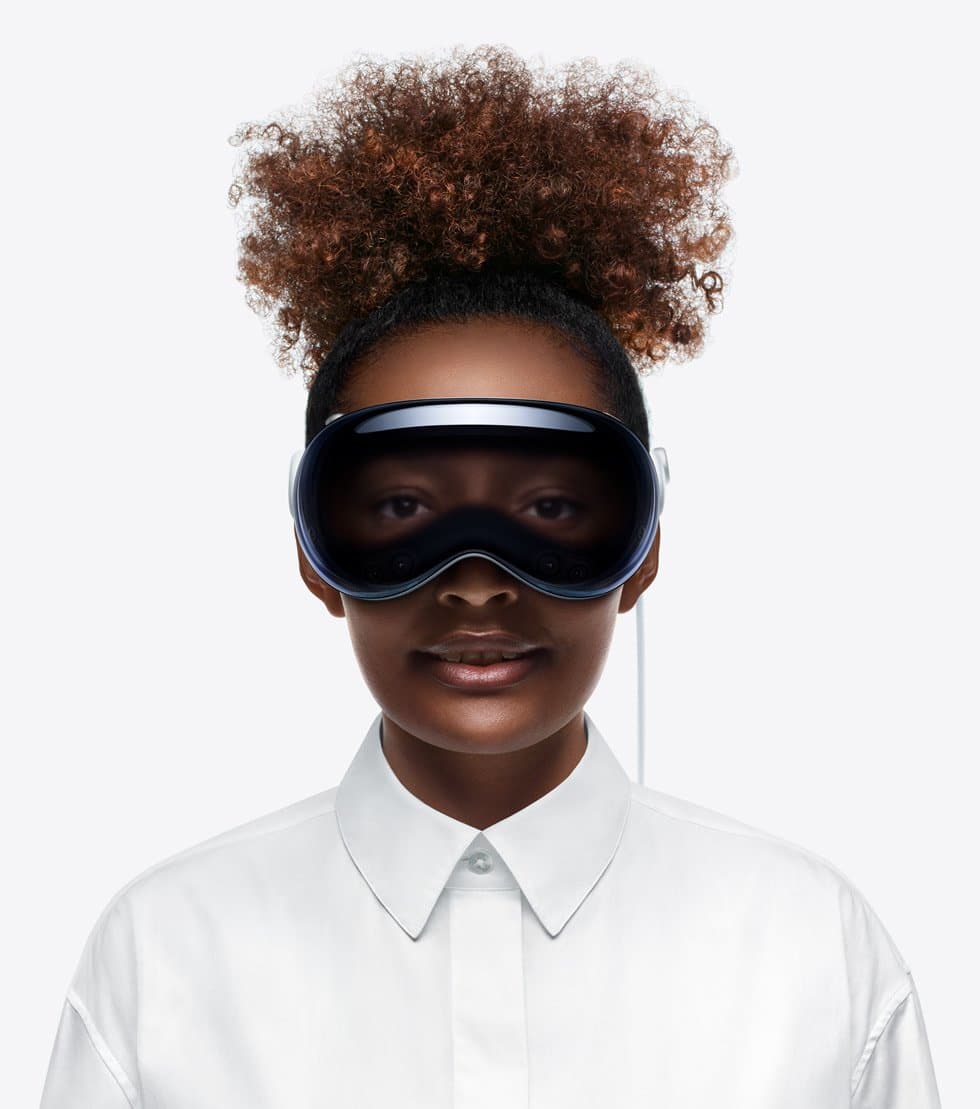
This prediction market topic concerns whether Apple will release a second-generation Apple Vision Pro headset, tentatively referred to as Apple Vision Pro 2, by December 31, 2026. The market resolves based on the public release of a qualifying successor product that retains the core functions of the original Vision Pro, which launched in February 2024. This topic sits at the intersection of consumer electronics, corporate strategy, and emerging spatial computing technology, generating significant interest from investors, developers, and industry analysts. The original Vision Pro represents Apple's most significant new product category since the Apple Watch in 2015, positioning the company in the competitive mixed reality and augmented reality space. Recent developments include ongoing software updates, developer kit distribution, and persistent rumors about a more affordable model, fueling speculation about the timeline for a true generational successor. People are interested because the release cadence will signal Apple's long-term commitment to the platform, influence the broader XR industry's direction, and determine the availability of improved hardware crucial for developer adoption and consumer accessibility.
Apple's entry into spatial computing follows a long history of product category creation and iteration. The company's modern hardware release patterns provide critical context. The iPhone, launched in 2007, established an annual update cycle. The iPad, launched in 2010, initially followed a roughly annual cycle but later shifted to a more variable timeline. The Apple Watch, introduced in 2015, also settled into an annual release pattern. However, entirely new product categories from Apple often have longer initial gaps before a second generation. The original Apple Watch was followed by Series 1 and 2 after approximately 18 months. The first-generation Vision Pro was announced in June 2023 and released in February 2024. Apple's historical precedent suggests a second-generation model could arrive 1.5 to 3 years after the initial release, placing a potential Vision Pro 2 launch window between late 2025 and early 2027. Furthermore, Apple has a track record of following a high-end, expensive first product with more accessible versions, as seen with the Mac and iPhone, which informs speculation about a lower-cost Vision product potentially preceding a Vision Pro 2.
The timing of an Apple Vision Pro 2 release has significant implications for the entire extended reality (XR) ecosystem. A swift follow-up would signal Apple's confidence in the platform and its commitment to rapid hardware iteration, likely accelerating developer investment in creating native visionOS applications. This could spur a virtuous cycle of better software driving hardware demand. Conversely, a longer delay might indicate technical hurdles, weaker-than-expected initial sales, or a strategic pivot, potentially chilling developer enthusiasm and ceding momentum to competitors like Meta. Economically, the release affects Apple's revenue diversification beyond the iPhone and the fortunes of hundreds of companies in its supply chain, from micro-OLED display manufacturers to specialized sensor producers. For consumers and professionals, a second-generation model is expected to address first-gen limitations like weight, battery life, and field of view, making spatial computing more practical for daily use. The success or failure of this product line could influence whether spatial computing remains a niche interest or becomes a mainstream computing paradigm.
As of late 2024, the first-generation Apple Vision Pro is available for purchase in the United States, with international expansion ongoing. Apple continues to release regular visionOS software updates. The most salient recent development is consistent reporting from Bloomberg and analysts like Ming-Chi Kuo that Apple is actively developing a more affordable Vision headset, potentially branded without the 'Pro' moniker. This device is rumored to use lower-cost components and could launch in late 2025 or 2026. These reports suggest Apple's immediate focus may be on expanding the product line downward in price before releasing a direct Vision Pro 2 successor. No official announcement or credible leak has specified a timeline for a Vision Pro 2, leaving its release before the end of 2026 an open question contingent on the success of the first-generation model and the launch strategy for the rumored affordable variant.
Based on first-generation feedback, expected improvements include a lighter and more comfortable design, longer battery life, a wider field of view, improved passthrough video quality, and a more powerful processor. A lower price point is also a highly anticipated change to boost adoption.
Multiple reliable reports from Bloomberg and analyst Ming-Chi Kuo indicate Apple is developing a more affordable mixed reality headset, potentially for release in late 2025 or 2026. This model would likely sit below the Vision Pro in price and features, and its launch could influence the timeline for a Vision Pro 2.
Apple's history with new product categories like the Apple Watch shows a gap of about 1.5 years before a second generation. A Vision Pro 2 by end of 2026 would mean a 2-3 year cycle, which is plausible but at the longer end of Apple's typical range for a flagship product iteration.
The market specifically requires a successor to the Vision Pro. A new, cheaper 'Apple Vision' model without 'Pro' in the name that is positioned as a separate, lower-tier product line would not qualify unless it is explicitly marketed as the successor replacing the Vision Pro.
Strong sales would demonstrate market validation and likely accelerate investment in a successor. Moderately low sales, as currently estimated, may lead Apple to prioritize a cheaper model first to grow the platform, potentially delaying a Pro-focused update while still working on the underlying technology.
Educational content is AI-generated and sourced from Wikipedia. It should not be considered financial advice.
Share your predictions and analysis with other traders. Coming soon!

No related news found
Add this market to your website
<iframe src="https://predictpedia.com/embed/IkSQs8" width="400" height="160" frameborder="0" style="border-radius: 8px; max-width: 100%;" title="Apple Vision Pro 2 released before 2027?"></iframe>