Events
GroupPOLYMARKET
Event GroupPOLYMARKETPolitics
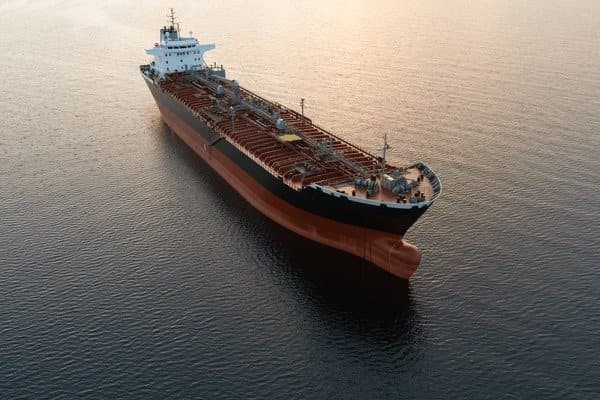
U.S. forces seize another oil tanker by March 7?
Total Volume
$15.75K
Events
1
Markets
1
U.S. forces seize another oil tanker by March 7?
Platform StatsQuick Platform Comparison
Polymarket
1
markets · $15.75K
Kalshi
0
markets · $0.00
Price Spread
0.0%avg
max 0.0%
Arbitrage
0
of 0 cross-platform
Volume DistributionTotal: $15.75K
100%
Polymarket leads
Price ChartMatched Markets Price Graph
1 market tracked
U.S. forces seize another oil tanker by March 7?
No data available
Single-Platform Markets(1)
| Market | Platform | Price |
|---|---|---|
| Poly | 38% |
AI Analysis
Trader mode: Actionable analysis for identifying opportunities and edge
38%
Top Probability
$15.75K
Volume
1
Markets
1
Platforms
About This Event
This market will resolve to “Yes” if U.S. government forces seize an oil tanker or any other ship actively transporting oil between market creation and March 7, 2026 11:59 PM ET. Otherwise, this market will resolve to “No”. U.S. government forces refer to any active U.S. military (including U.S. Coast Guard), law enforcement, or intelligence personnel or contractors. Seizes refers to U.S. forces taking custody of or asserting operational control of the vessel, including boarding and taking con
What Prediction Markets Are Forecasting
Prediction markets currently give about a 38% chance that U.S. forces will seize another oil tanker before March 7. In simpler terms, traders collectively see this as somewhat unlikely, estimating roughly a 1 in 3 probability. This suggests a cautious expectation that no further seizure will occur in the next week, but acknowledges a real possibility.
Why the Market Sees It This Way
The current odds reflect a few practical considerations. First, a single seizure is often a demonstrative action. After the U.S. seized the oil tanker Suez Rajan last year for violating sanctions on Iranian oil, the primary goal of enforcing those sanctions was publicly achieved. A follow-up seizure so soon might be seen as an unnecessary escalation.
Second, these operations are logistically complex and intelligence-dependent. They require confirming a ship’s violation, tracking it, and safely intercepting it on the high seas. The window for executing another such operation in the next six days is narrow.
Finally, geopolitical timing matters. The U.S. may currently prioritize diplomatic channels or other pressures, reserving another seizure as a future option if diplomacy fails. The market is essentially betting that the recent action will be given time to produce a deterrent effect.
Key Dates and Events to Watch
The main deadline is the market’s resolution date of March 7. Any shift in probability will likely hinge on real-time maritime incidents or official statements.
Watch for reports from maritime security firms like Ambrey or Dryad Global about unusual ship movements or boardings in key regions like the Gulf of Oman. Official U.S. statements from Central Command or the Treasury Department regarding sanctions enforcement could also signal intent. A sudden drop in a tracked vessel’s speed or a change in its course toward a port with U.S. naval presence might be an early indicator.
How Reliable Are These Predictions?
Prediction markets are generally decent at aggregating intelligence on geopolitical events where outcomes are clear, like a seizure. However, for niche, time-bound military or law enforcement actions, their track record is less proven. The small amount of money wagered here ($16,000) means fewer experts may be participating, which can reduce accuracy. These odds are a useful snapshot of informed opinion, but the low probability and short timeframe mean even a small piece of new intelligence could change them quickly.
Current Market Outlook
The Polymarket contract "U.S. forces seize another oil tanker by March 7?" is trading at 38%. This price indicates the market assigns a low probability to the event occurring before the March 7, 2026 deadline. With only $16,000 in volume, liquidity is thin, meaning a single large bet could move the price significantly. A 38% chance suggests traders view a seizure as a distinct possibility but not the expected outcome within this specific two-year window.
Key Factors Driving the Odds
The 38% price reflects a calculated assessment of geopolitical risk versus operational precedent. U.S. naval forces have historically been reluctant to conduct outright seizures of civilian oil tankers, a tactic more commonly associated with nations like Iran. Recent U.S. actions in the Red Sea and Gulf of Aden have focused on intercepting weapons shipments and defending commercial shipping from Houthi attacks, not confiscating oil cargoes. The primary legal tool for such an action, sanctions enforcement, typically involves complex judicial processes and is rarely executed as a tactical military seizure at sea. The market price essentially bets that a major escalation, such as a direct conflict with a state actor like Iran where a specific tanker is deemed a legitimate military target, is unlikely in the near term.
What Could Change These Odds
Two primary catalysts could rapidly increase this probability. First, a significant geopolitical rupture, such as a proven attack on U.S. assets directly traced to an oil shipment, could prompt a forceful U.S. response including seizure. Second, a major escalation in sanctions policy, for instance a new executive order specifically authorizing the seizure of vessels carrying oil from a sanctioned nation, would change the legal landscape. Monitoring U.S. naval deployments in key chokepoints like the Strait of Hormuz and official rhetoric regarding sanctions evasion provides clues. The long resolution period until March 2026 means the market will remain sensitive to Middle East tensions and shifts in U.S. foreign policy doctrine for many months.
AI-generated analysis based on market data. Not financial advice.