$2.57K
1
1

1 market tracked

No data available
| Market | Platform | Price |
|---|---|---|
![]() | Poly | 4% |
Trader mode: Actionable analysis for identifying opportunities and edge
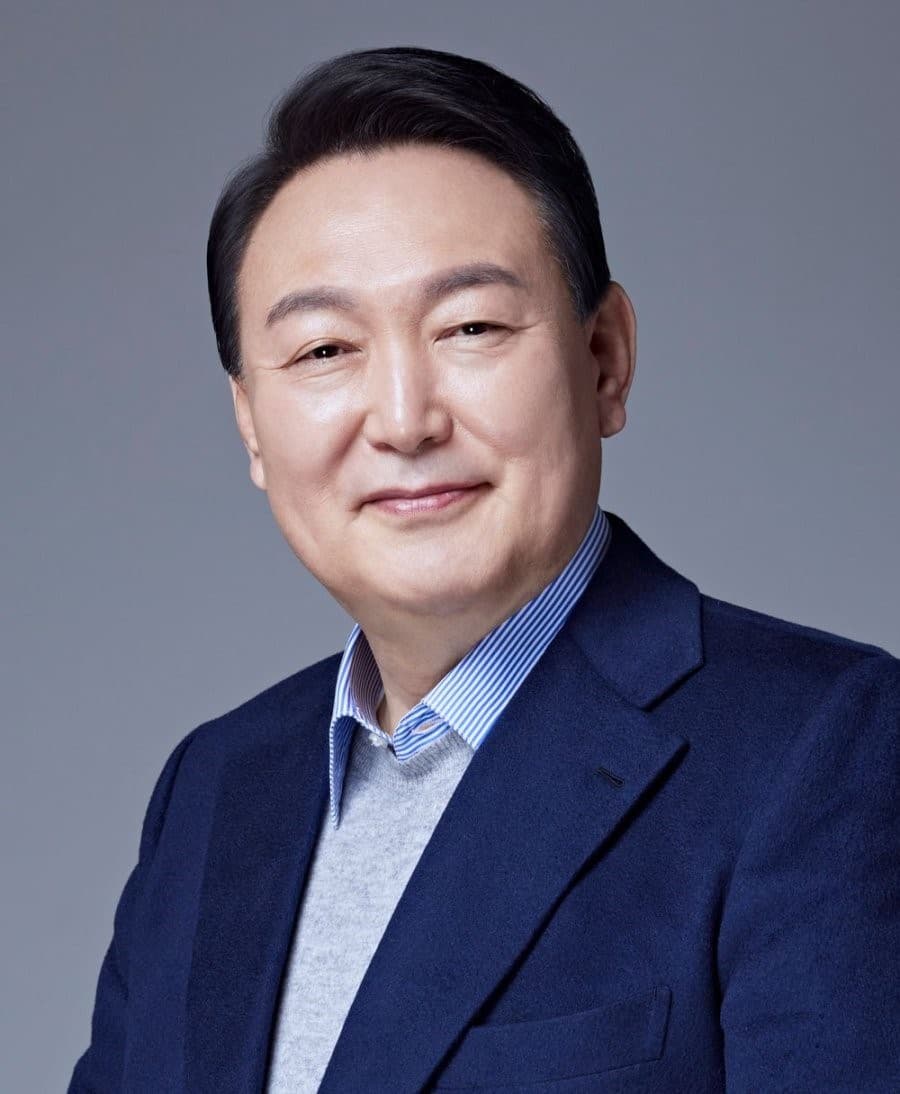
This market will resolve to "Yes" if President of South Korea Yoon Suk Yeol is released from custody by December 31, 2026, 11:59 PM ET. Otherwise, this market will resolve to "No". If Yoon is released but remains under house arrest, the market will still resolve to "Yes". If Yoon is released on parole, bond, or any other condition that results in them leaving state custody, the market will resolve to "Yes". Transporting Yoon to another location of custody (e.g., a different prison, court, or
Prediction markets assign a very low probability to South Korean President Yoon Suk Yeol being released from custody before the end of 2026. On Polymarket, shares for "Yes" are trading at just 4¢, implying the market sees only a 4% chance of this event occurring. This price suggests the scenario is viewed as highly unlikely, bordering on a remote political possibility. The market has thin liquidity, with only about $3,000 in total volume, indicating limited trader conviction but a clear consensus on the low odds.
The primary factor is Yoon's current status as a sitting president with robust constitutional protections. In South Korea, a sitting president enjoys immunity from criminal indictment while in office, barring an extraordinary event like impeachment and conviction. Yoon's term lasts until May 2027, extending beyond this market's December 2026 resolution date. The market is essentially pricing the probability of a severe, unprecedented political crisis, such as a successful impeachment leading to a criminal conviction and custodial sentence, all within a compressed timeline.
Furthermore, historical precedent strongly supports the "No" outcome. No sitting South Korean president has ever been removed from office and imprisoned before their term ended. While past presidents have been investigated and imprisoned after leaving office, the process has always taken considerable time. The market reflects the significant institutional and procedural hurdles that would make a pre-2027 custody event for a sitting president extremely improbable.
The odds could shift dramatically only in response to a major, unforeseen political earthquake. A specific, imminent catalyst would be the opposition-controlled National Assembly passing a motion for Yoon's impeachment, followed by the Constitutional Court upholding it. This would require a severe breach of constitutional order or a major corruption scandal with immediate, irrefutable evidence. The timeline remains a critical constraint. Even if impeachment began soon, the subsequent legal process for a criminal trial and sentencing would likely push any potential custody date beyond 2026. Therefore, for the "Yes" outcome to become likely, an accelerated and historically unprecedented judicial-political collapse would need to occur within the next year.
AI-generated analysis based on market data. Not financial advice.
$2.57K
1
1
This prediction market topic addresses the possibility that Yoon Suk Yeol, the current President of South Korea, could be taken into state custody and subsequently released before the end of 2026. The market resolves based on whether Yoon is physically released from custody, including scenarios like parole, bond, or house arrest, by December 31, 2026. This speculative question arises from South Korea's intense political polarization and its history of investigating and prosecuting former presidents. Since taking office in May 2022, President Yoon, a former prosecutor general, has pursued aggressive reforms and faced significant opposition, leading to a deeply divided National Assembly and high-stakes political conflict. The interest in this topic stems from the precedent set by recent South Korean history, where four of the country's last seven living former presidents have faced criminal investigations, convictions, or imprisonment after leaving office, making the post-presidency legal fate of a sitting leader a subject of serious political and public speculation.
The modern precedent for South Korean presidents facing legal consequences is strong. In the democratic era since 1987, multiple former leaders have been prosecuted. Roh Tae-woo (president 1988-1993) was convicted of corruption in 1996. Most recently, Park Geun-hye (president 2013-2017) was impeached, removed from office, convicted of abuse of power and bribery, and imprisoned in 2017. She received a presidential pardon in December 2021. Lee Myung-bak (president 2008-2013) was convicted of bribery and embezzlement in 2018 and sentenced to 17 years, later being granted a pardon in 2022. This pattern establishes a 'tradition' of post-presidency legal reckoning, often driven by successor administrations seeking to investigate alleged abuses of power, corruption, or election law violations. The investigations are typically conducted by the Supreme Prosecutors' Office, the same institution Yoon once led, and often begin after the protective shield of presidential immunity expires upon leaving office. This historical cycle of retribution, often called 'political revenge,' frames the current speculation around Yoon.
The potential for a sitting president to face custody has profound implications for South Korea's political stability, economic policy, and international standing. Domestically, it would trigger a constitutional crisis, testing the resilience of democratic institutions and potentially deepening societal divisions. Economically, prolonged political uncertainty could destabilize financial markets, affect the Korean won, and deter foreign investment during a critical period. Internationally, it would impact South Korea's foreign policy, particularly its unified stance with allies like the United States and Japan regarding North Korea and regional security. A leadership crisis could create a power vacuum, emboldening adversaries and complicating diplomatic negotiations. For the South Korean public, it represents a critical test of the rule of law and whether the cycle of prosecuting former leaders strengthens accountability or perpetuates political vendettas that hinder governance.
As of mid-2024, President Yoon Suk Yeol remains in office, protected by constitutional immunity from criminal indictment. The political landscape is defined by a hostile, opposition-controlled National Assembly. The Assembly has launched several investigative committees targeting Yoon's administration and family, including probes into alleged stock manipulation by first lady Kim Keon Hee and the handling of a deadly crowd crush in 2022. These investigations are creating continuous political pressure but have not yet yielded findings that could form the basis for impeachment. Yoon's term continues until May 2027, and all speculation about custody pertains to events after that date or a hypothetical premature removal from office.
No, a sitting president has strong immunity from arrest or criminal indictment under Article 84 of the South Korean Constitution. This protection applies only during their term in office. Any criminal legal process must wait until after the presidency ends, unless the president is first impeached and removed from office by the National Assembly and Constitutional Court.
Potential areas for investigation, based on opposition claims and current parliamentary probes, could include abuse of power, obstruction of justice related to investigations, bribery, or ethical violations involving family members. As a former prosecutor general, his conduct in prior high-profile cases could also be re-examined. Specific allegations remain unproven and politically contested.
No president has been imprisoned while actively serving. However, Park Geun-hye was impeached and removed from office in March 2017. Immediately following her removal, she lost immunity, was arrested later that month, and was subsequently tried, convicted, and imprisoned. This sequence demonstrates the process where removal from office precedes custody.
If the National Assembly passes an impeachment motion with a simple majority, the president is suspended from duty. The Prime Minister temporarily assumes administrative authority. The case then goes to the Constitutional Court, which has 180 days to decide. If the Court upholds impeachment with a 6/9 majority, the president is permanently removed. The removed president then loses immunity and can face ordinary criminal prosecution.
The next presidential election is scheduled for March 2027. The winner will be inaugurated in May 2027, which is the earliest date Yoon Suk Yeol's term and his presidential immunity would end under normal constitutional succession.
Educational content is AI-generated and sourced from Wikipedia. It should not be considered financial advice.
Share your predictions and analysis with other traders. Coming soon!

No related news found
Add this market to your website
<iframe src="https://predictpedia.com/embed/L30DJx" width="400" height="160" frameborder="0" style="border-radius: 8px; max-width: 100%;" title="Yoon out of custody before 2027?"></iframe>