$60.53K
1
1

1 market tracked

No data available
| Market | Platform | Price |
|---|---|---|
![]() | Poly | 68% |
Trader mode: Actionable analysis for identifying opportunities and edge
This market will resolve to “Yes” if Viktor Orbán ceases to be Prime Minister of Hungary for any period of time between market creation and the specified date (ET). Otherwise, this market will resolve to “No”. An announcement of Viktor Orbán's resignation/removal before this market's end date will immediately resolve this market to "Yes", regardless of when the announced resignation/removal goes into effect. If the specified individual is detained, effectively removed from the specified positi
AI-generated analysis based on market data. Not financial advice.
$60.53K
1
1
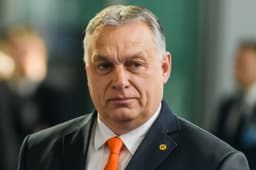
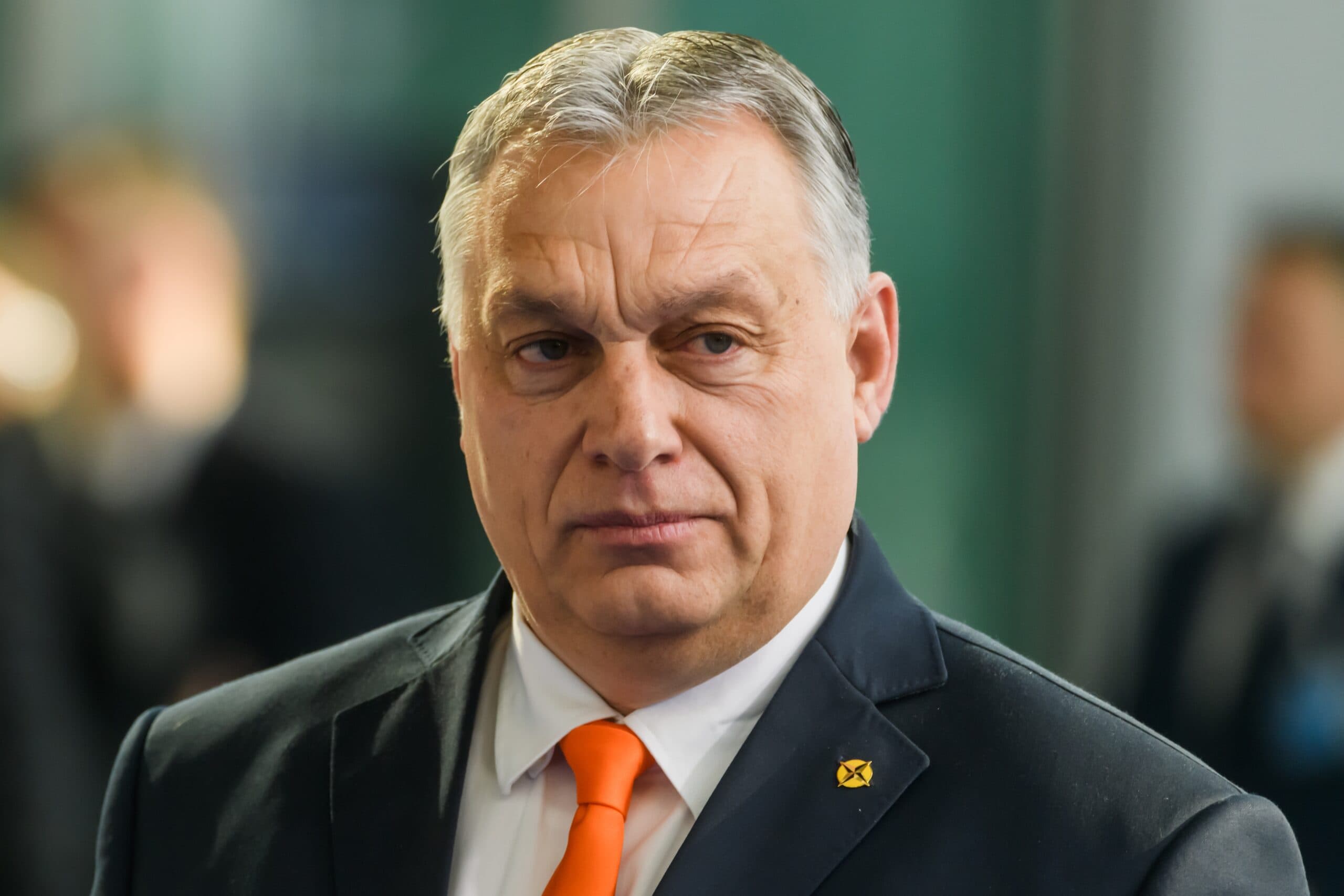
This prediction market asks whether Viktor Orbán will cease to be Prime Minister of Hungary before December 31, 2026. Orbán has been the dominant political figure in Hungary since 2010, leading the Fidesz party and implementing a series of constitutional and legal changes that have consolidated power. The market resolves to 'Yes' if he is removed from office for any period, including through resignation, a vote of no confidence, or other means, before the deadline. An announcement of his resignation would trigger an immediate 'Yes' resolution, even if the formal departure occurs later. This topic captures speculation about the stability of one of Europe's longest-serving governments and the potential for political change in a country that has frequently clashed with the European Union over democratic standards. Interest stems from Orbán's unique position as a standard-bearer for nationalist, conservative politics within the EU, making his tenure a focal point for debates about the bloc's future direction. Recent years have seen increased pressure from EU institutions regarding rule of law concerns and the freezing of billions in funds, alongside domestic challenges including inflation and a struggling economy. Observers are watching for signs of internal party dissent, electoral vulnerability, or external pressures that could force a change in leadership.
Viktor Orbán's political career began during the fall of communism in 1989, when he co-founded Fidesz as a liberal youth movement. He first became Prime Minister in 1998 but lost power in 2002. His return in the 2010 election was a landslide, giving Fidesz a two-thirds supermajority in parliament. This allowed the party to rewrite the constitution in 2011, a move critics say entrenched its power. Orbán has since won four consecutive elections in 2014, 2018, and 2022, each time securing another supermajority. The political landscape has been characterized by a fragmented opposition, which only united effectively for the 2022 election, though it still lost decisively. Historical precedents for leadership change in modern Hungary are limited. Ferenc Gyurcsány's resignation in 2009 followed widespread protests and a loss of governing coalition support, demonstrating that public pressure and economic crisis can force a PM out. However, Orbán's system is considered more resilient, with greater control over state institutions and media. The EU initiated Article 7 proceedings against Hungary in 2018 for breaching democratic values, marking a sustained institutional conflict.
The question of Orbán's tenure matters for Hungary's democratic trajectory and its relationship with Western institutions. A change in leadership could potentially reset relations with the European Union and NATO, unlocking frozen funds and reducing Hungary's isolation within the bloc. It would also test the durability of the political and economic system Orbán built, which includes a network of loyalists in business and media. For Hungarian citizens, a change could affect economic policy, the independence of courts, and the operations of civil society. The outcome has regional implications for Central Europe, where Poland's Law and Justice party, an ally of Fidesz, lost power in 2023. Orbán's departure could signal a further shift away from the illiberal model in the region. It also matters for European geopolitics, as Orbán has maintained closer ties with Russia and China than most EU members and has delayed or opposed EU consensus on aid to Ukraine.
As of late 2024, Viktor Orbán remains in office with his parliamentary supermajority intact. However, his government faces unprecedented challenges. A major corruption scandal in early 2024, which led to the resignation of the former Justice Minister and the President, sparked large protests organized by Péter Magyar. Magyar's new TISZA party performed strongly in the June 2024 European Parliament elections, securing nearly 30% of the vote and seven MEPs, while Fidesz's share fell to 44%. The EU has begun to release some frozen funds after Hungary passed judicial reforms, but billions remain blocked. The government is also grappling with a weak forint and a high budget deficit, forcing austerity measures.
Orbán could be removed through a vote of no confidence in parliament, which requires a majority of all MPs. Given Fidesz's supermajority, this is unlikely without major Fidesz defections. He could also resign voluntarily, lose a leadership challenge within Fidesz, or be incapacitated. A significant electoral loss in the next general election, due by 2026, is another potential path.
The European Commission has withheld funds primarily over rule of law concerns. These include perceived deficiencies in judicial independence, systemic corruption risks, and shortcomings in protecting EU budget funds. The Commission requires Hungary to implement specific reforms, such as strengthening anti-corruption frameworks and judicial safeguards, to access the money.
The Fidesz party would select a new leader, who would then be nominated as Prime Minister. Potential successors from within the party include current Speaker of Parliament László Kövér, Interior Minister Sándor Pintér, or a younger figure like Minister of Construction and Transport János Lázár. The ultimate choice would indicate the party's future direction.
The next general election must be held by April 2026. The exact date is set by the government. The election will be a critical test for Fidesz against a revitalized opposition, and a loss would result in Orbán leaving office.
Orbán uses the term to describe a system that rejects liberal multiculturalism and prioritizes national sovereignty, traditional values, and a strong state. In practice, critics argue it involves weakening checks and balances, controlling media, and using state resources to maintain power, which the EU says conflicts with its democratic values.
Educational content is AI-generated and sourced from Wikipedia. It should not be considered financial advice.
No related news found
Add this market to your website
<iframe src="https://predictpedia.com/embed/LDlTaR" width="400" height="160" frameborder="0" style="border-radius: 8px; max-width: 100%;" title="Viktor Orbán out by December 31, 2026?"></iframe>