$234.04K
1
2

$234.04K
1
2
Trader mode: Actionable analysis for identifying opportunities and edge
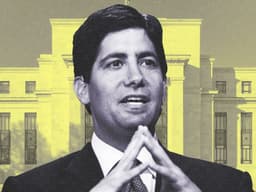
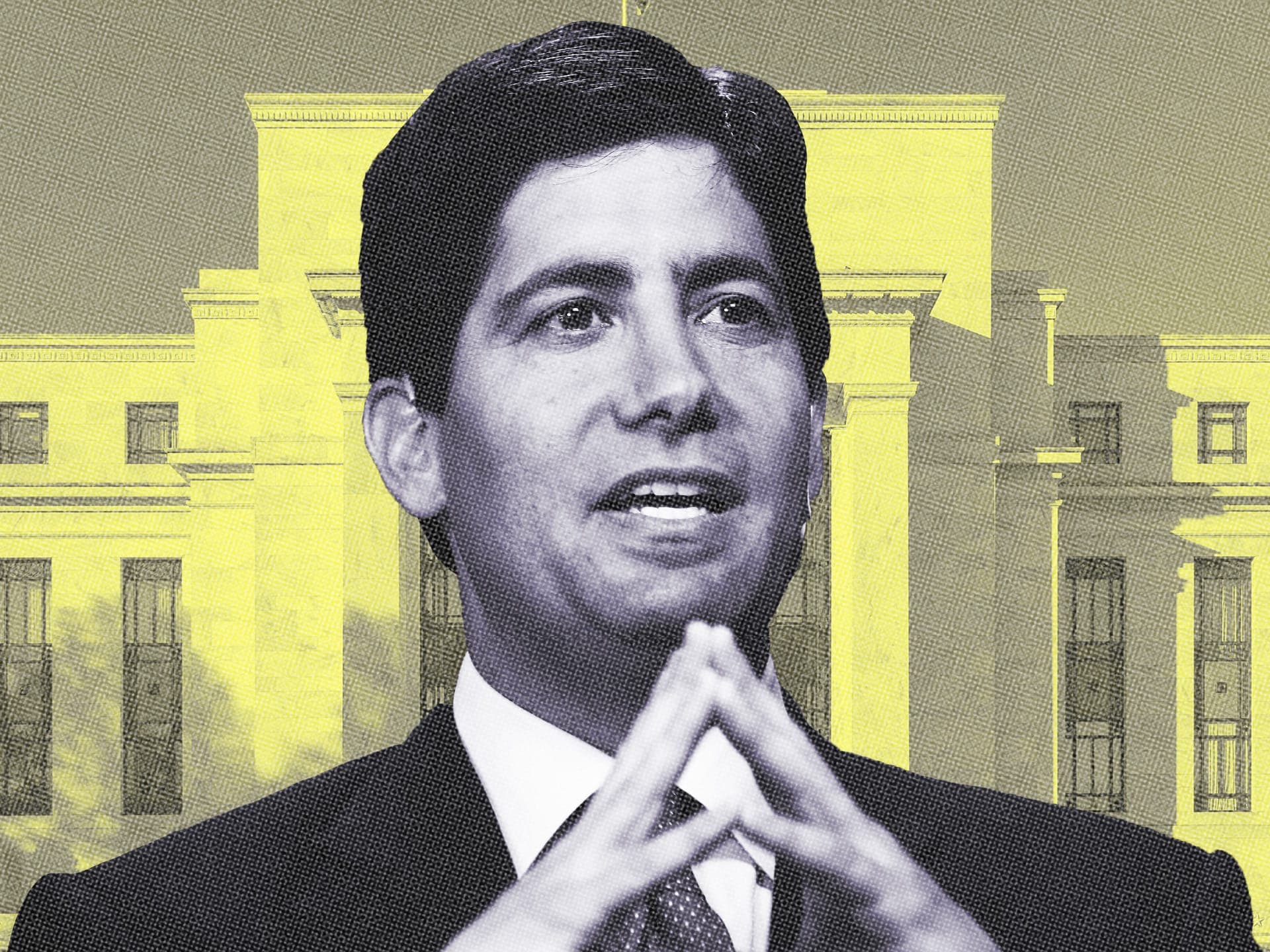
This market will resolve to “Yes” if Kevin Warsh is confirmed as Chair of the Federal Reserve by May 15, 2026, 11:59 PM ET. Otherwise, this market will resolve to “No”. If Kevin Warsh is formally nominated for the role, and his nomination is then formally withdrawn, or if the Senate rejects the nomination, this market will immediately resolve to “No”. The Senate must confirm this nominee as Chair of the Federal Reserve for this market to resolve to "Yes". Recess appointments without Senate con
Prediction markets currently give Kevin Warsh about a 3 in 4 chance of being confirmed as the next Federal Reserve Chair by mid-May 2026. This is a fairly confident forecast, suggesting traders see his confirmation as the most likely outcome, though not a certainty. The market has attracted a moderate amount of money, indicating serious interest but not a massive speculative frenzy.
Kevin Warsh is a former Federal Reserve Governor and has been a rumored candidate for Chair before. His odds are high for a few specific reasons. First, he is seen as a credible, experienced figure within Republican-aligned financial circles, which could be important if the White House changes hands in the 2024 election. The current Fed Chair, Jerome Powell, is widely respected, but his term ends in May 2026. Political shifts often lead to new appointments.
Second, Warsh has been a vocal critic of the Fed's post-2008 policies at times, advocating for different approaches. This perspective could align with a future administration wanting a policy change. The market may be pricing in the idea that a new president would want their own pick, and Warsh is a leading name on the shortlist for a Republican administration.
The main event driving this prediction is the U.S. presidential election in November 2024. The winner will likely nominate the next Fed Chair in 2025 or early 2026. Watch for any official statements from presidential candidates about their preferred Fed leadership or monetary policy views. Also, listen for rumors from Washington insiders about the administration's shortlist once the new president takes office in January 2025. The Senate confirmation hearing, which would happen after a formal nomination, will be the final major signal.
Prediction markets have a mixed but decent record on political appointments, especially when they are this far in the future. They are good at aggregating insider gossip and political intelligence. However, the 2026 date means this is a very long-term forecast. A lot can change in two years. The high probability mostly reflects today's political betting, not a final outcome. Markets for similar "person X gets job Y" events can be volatile and shift quickly with a single news report. Treat this as a snapshot of current Washington speculation, not a guaranteed result.
The prediction market on Polymarket currently prices a 76% probability that Kevin Warsh will be confirmed as Federal Reserve Chair by May 15, 2026. This price indicates a strong consensus that Warsh is the frontrunner for the position, viewing the outcome as likely but not guaranteed. With $234,000 in trading volume, the market has attracted significant speculative capital, suggesting traders are engaging with substantive political and economic signals rather than pure conjecture.
The high probability is directly tied to the 2024 presidential election. A Trump victory is widely interpreted by market participants as the primary pathway for a Warsh nomination. Warsh, a former Fed governor and a known critic of the post-2008 regulatory framework, is seen as closely aligned with Trump's anticipated preference for a more hawkish, deregulatory central bank leader. His previous consideration for the role in 2017 and his continued commentary on monetary policy keep him in the spotlight for Republican appointments. The market is effectively pricing in a conditional sequence: Trump wins, then nominates Warsh, and a Republican-led Senate confirms him.
The single largest variable is the outcome of the November 2024 election. A Biden re-election would cause this market to crash toward 0% almost immediately, as Warsh would not be a plausible nominee. Even if Trump wins, the odds could shift based on the composition of the Senate in 2025. A narrow Republican majority might complicate a confirmation, especially if Warsh's views on Fed independence or financial regulation face scrutiny. Alternative candidates like John Taylor or Judy Shelton could also emerge as competing favorites, diluting Warsh's perceived chances. The market will react sharply to any official statements from Trump or his transition team regarding Fed leadership preferences after the election.
AI-generated analysis based on market data. Not financial advice.
This prediction market asks whether Kevin Warsh will be confirmed as Chair of the Federal Reserve by May 15, 2026. The Federal Reserve Chair is the most powerful economic policymaker in the United States, responsible for setting monetary policy that influences interest rates, employment, and inflation. The position requires nomination by the President and confirmation by the Senate. Kevin Warsh, a former Federal Reserve governor from 2006 to 2011, is considered a potential candidate for the role when the current chair's term expires or if a vacancy occurs. Warsh has remained active in economic policy discussions through his roles at Stanford University's Hoover Institution and as a board member of several financial firms. Interest in this market stems from uncertainty about future Federal Reserve leadership, particularly given the scheduled end of Jerome Powell's term as chair in 2026. Market participants are essentially betting on whether Warsh's political connections, policy views, and professional background will position him to secure both a presidential nomination and Senate confirmation within the specified timeframe. The market resolves immediately to 'No' if Warsh is nominated but then has his nomination withdrawn or rejected by the Senate, adding complexity to the prediction.
The Federal Reserve Chair has been subject to Senate confirmation since the Federal Reserve Act created the position in 1913. Only one nominee has ever been rejected by the Senate: President Lyndon Johnson's 1968 nomination of Abe Fortas to be chair was withdrawn after a filibuster. More recently, the confirmation process has become increasingly politicized. In 2010, President Barack Obama's nomination of Ben Bernanke for a second term faced significant opposition, with 30 senators voting against confirmation. The 2022 confirmation of Jerome Powell for a second term saw 23 senators vote against him, reflecting growing partisan divisions over monetary policy. Kevin Warsh's own confirmation as a Fed governor in 2006 passed by voice vote without recorded opposition, a reflection of the less contentious confirmation environment at that time. The upcoming 2026 transition will occur against the backdrop of these historical trends toward more contentious Fed confirmations. The last time a Fed chair was appointed who hadn't previously served as vice chair was Alan Greenspan in 1987, suggesting that internal succession has become more common in recent decades.
The Federal Reserve Chair influences interest rates for mortgages, car loans, and credit cards, affecting household finances across the country. Their decisions on monetary policy help determine whether inflation remains under control and whether employment levels stay high. A change in Fed leadership could signal shifts in how aggressively the central bank fights inflation versus supports job growth. Financial markets closely watch Fed leadership transitions because unexpected changes can create volatility in stock and bond prices. The confirmation process itself has become a political battleground, with senators using nomination fights to express views on monetary policy, banking regulation, and economic priorities. The outcome affects not just the United States but global financial stability, given the dollar's role as the world's primary reserve currency.
Jerome Powell continues to serve as Federal Reserve Chair, with his term scheduled to end in May 2026. The White House has not indicated whether President Biden will renominate Powell or select a different candidate. Kevin Warsh maintains his positions at Stanford's Hoover Institution and on corporate boards while occasionally commenting on monetary policy in media appearances. Political attention remains focused on the 2024 presidential election, which will determine who holds the nomination power when Powell's term expires. The Senate Banking Committee has not held hearings or made statements specifically about Warsh as a potential nominee.
No, Kevin Warsh has never been formally nominated for Federal Reserve Chair. He was previously appointed as a Federal Reserve governor in 2006, which required Senate confirmation, but he has not been put forward for the chair position.
Warsh has generally advocated for a rules-based approach to monetary policy and expressed concerns about the Fed's balance sheet expansion. During his time as a governor, he was seen as more skeptical of aggressive stimulus measures than some of his colleagues.
The President nominates a candidate, who then appears before the Senate Banking Committee for hearings. The committee votes on whether to advance the nomination to the full Senate, where a simple majority of 51 votes is needed for confirmation.
If the Senate rejects a nominee, the President must select a different candidate. The position would be filled on an acting basis by the Fed's vice chair until a new nominee is confirmed.
No, the Federal Reserve Act requires Senate confirmation for the chair position. The President can make a recess appointment, but that temporary appointment would only last until the end of the next Senate session.
Opposition has increased in recent decades. Jerome Powell received 80 yes votes and 19 no votes in 2018, but only 69 yes votes and 23 no votes in his 2022 reconfirmation, reflecting growing partisan divisions.
Educational content is AI-generated and sourced from Wikipedia. It should not be considered financial advice.
2 markets tracked

No data available
| Market | Platform | Price |
|---|---|---|
![]() | Poly | 76% |
![]() | Poly | 42% |


No related news found
Add this market to your website
<iframe src="https://predictpedia.com/embed/LFoT4Q" width="400" height="160" frameborder="0" style="border-radius: 8px; max-width: 100%;" title="Kevin Warsh confirmed as Fed Chair by...?"></iframe>