$1.76M
1
2

$1.76M
1
2
Trader mode: Actionable analysis for identifying opportunities and edge
This market will resolve to “Yes” if Kevin Warsh is formally nominated to be Chair of the Federal Reserve by the listed date, 11:59 PM ET. Formal nominations are defined as the submission of a nomination message to the U.S. Senate. Only a nomination message that nominates Kevin Warsh to be Chair of the Federal Reserve will qualify. A nomination solely to be a Member of the Federal Reserve Board of Governors will not qualify. A joint nomination both for membership on the Federal Reserve Board
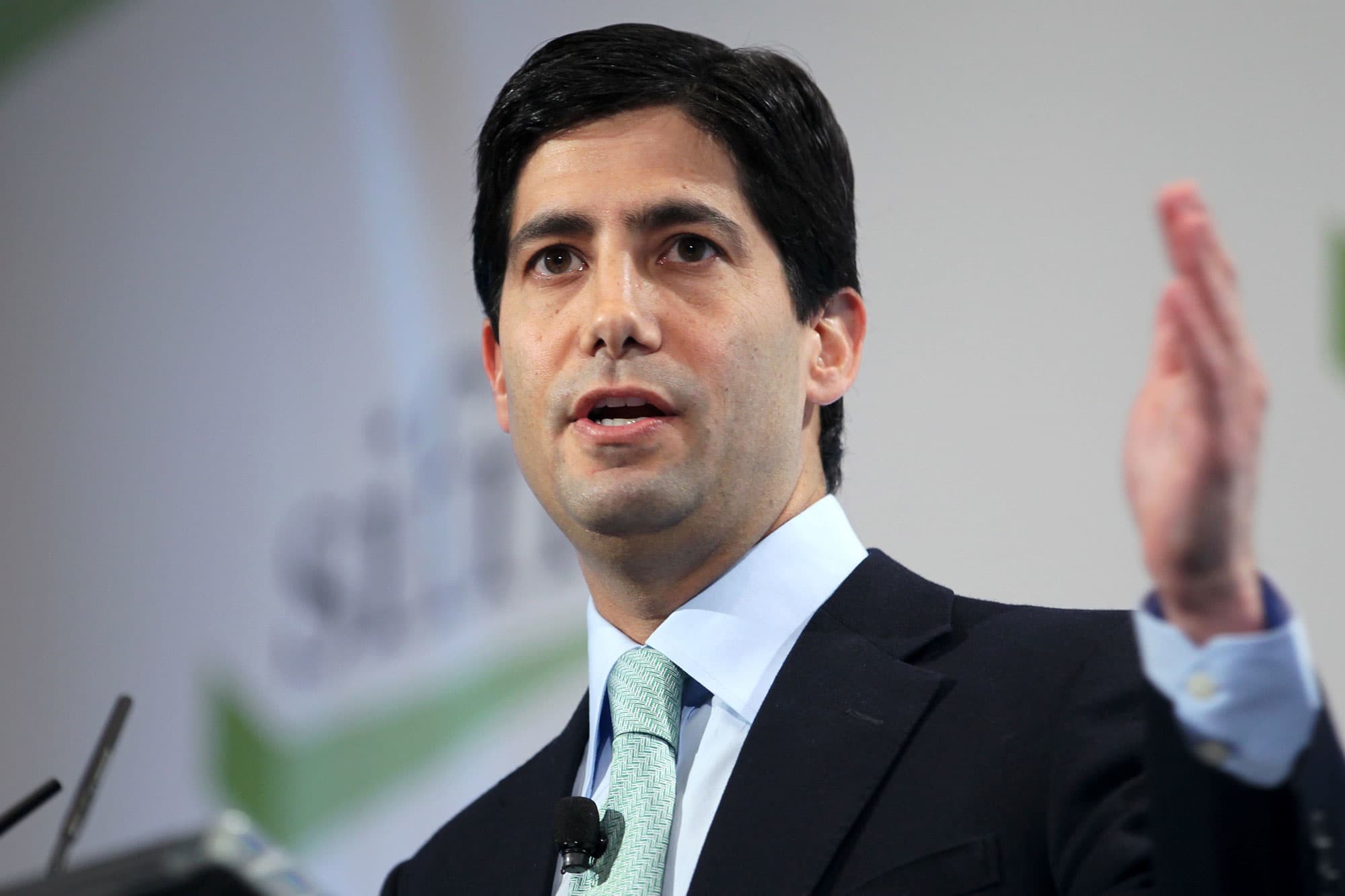
Prediction markets currently give Kevin Warsh roughly a 7 in 10 chance of being formally nominated as the next Federal Reserve Chair by March 31, 2026. This means traders collectively see his nomination as more likely than not, but far from a sure thing. With over $1.7 million wagered on related questions, there is significant financial interest and attention on this outcome.
Kevin Warsh is a former Federal Reserve Board member and a known figure in Republican economic circles. His odds are high primarily because he is seen as a leading candidate if Donald Trump wins the 2024 presidential election. Trump has previously praised Warsh, and Warsh’s policy views are generally aligned with a potential Republican administration seeking a Fed chair who might favor lower interest rates.
The 71% probability also reflects uncertainty. It is not 90% or higher because the election outcome is not yet known. If President Biden is re-elected, he is very unlikely to nominate Warsh. The market is essentially pricing in the combined chances of a Trump victory and then Warsh being his selected nominee.
The main event that will decide this prediction is the U.S. presidential election on November 5, 2024. The winner will nominate the next Fed Chair when Jerome Powell’s term as chair expires in early 2026.
After the election, watch for statements from the winning candidate about their preferred economic advisors. Formal nomination messages to the Senate typically occur several months before the Fed Chair term begins, so late 2025 into early 2026 is the likely window for an official announcement.
Prediction markets have a mixed but often decent record on political appointments. They are good at aggregating insider gossip and political intelligence in Washington. However, for an event this far away, the odds are highly sensitive to the single variable of the presidential election. Markets can swing sharply with new polls or endorsements. While they provide a real-time snapshot of informed sentiment, the 2026 date means a lot can change, making this a volatile long-term forecast.
Prediction markets assign a 71% probability that Kevin Warsh will be formally nominated as Federal Reserve Chair by March 31, 2026. This price, translating to 71 cents per "Yes" share, indicates a strong consensus favoring his nomination. With $1.7 million in trading volume, this is a high-liquidity market where significant capital backs the current odds. A 71% chance means traders view the outcome as likely, but substantial uncertainty remains, primarily tied to the 2024 presidential election's result.
The high probability directly reflects Warsh's status as a leading candidate for Fed Chair in a potential Trump administration. A former Fed Governor appointed by President George W. Bush, Warsh is a known critic of post-2008 quantitative easing and current Fed governance. His alignment with likely Republican policy priorities, including a more hawkish stance and operational overhaul of the Fed, makes him a logical frontrunner. Market pricing surged following the 2024 election, as traders bet on the implementation of campaign rhetoric regarding the Federal Reserve's leadership.
The single largest variable is the inauguration and early agenda of the next administration in January 2025. Odds will adjust based on official signals from the transition team. A decisive drop would occur if another candidate, such as John Taylor or Judy Shelton, gains clear frontrunner status. Political dynamics in the Senate could also affect the probability. While a nomination is expected to be submitted, confirmation hurdles might influence the timing or willingness to formally nominate. Any delay past early 2025 would increase pressure on the March 2026 deadline.
AI-generated analysis based on market data. Not financial advice.
This prediction market focuses on whether Kevin Warsh will be formally nominated as Chair of the Federal Reserve by a specified deadline. The market resolves based on the submission of a nomination message to the U.S. Senate specifically for the Chair position, not for a general Board of Governors membership. Kevin Warsh, a former Federal Reserve Governor from 2006 to 2011, is a prominent figure in monetary policy discussions and has been mentioned as a potential candidate for Fed Chair during presidential transitions. Interest in this topic stems from the significant influence the Federal Reserve Chair wields over U.S. monetary policy, interest rates, and financial regulation. The appointment process is inherently political, with nominations subject to Senate confirmation, making speculation about candidates a recurring feature of economic and political analysis. Recent attention on Warsh increased following the 2024 presidential election, as incoming administrations typically consider Fed leadership. His previous experience and public commentary on inflation and Fed independence make him a recognizable name in policy circles. Prediction markets like this one aggregate collective expectations about political outcomes, providing a quantified measure of perceived likelihood that differs from traditional polling or pundit commentary.
The appointment of Federal Reserve Chairs follows a predictable four-year term cycle, with terms ending in January of years following a U.S. presidential election. This schedule often triggers speculation about reappointments or new nominees. Since the Fed's creation in 1913, only one Chair, William McChesney Martin, has served under five different presidents, highlighting the role's political dimensions. The most contentious recent confirmation was in 1983, when Paul Volcker was reappointed by President Reagan by a narrow 84-16 Senate vote following a period of high inflation. More recently, the process has become increasingly partisan. Ben Bernanke was confirmed for a second term in 2010 by a 70-30 vote, a narrower margin than typical. Janet Yellen, nominated by President Obama in 2013, was confirmed 56-26, reflecting growing political division over monetary policy. The precedent for Kevin Warsh's potential nomination lies in 2017, when he was reportedly a finalist for Chair before President Trump selected Jerome Powell. Warsh's previous Senate confirmation as a Fed Governor in 2006 was by voice vote, indicating less controversy at that time.
The identity of the Federal Reserve Chair directly affects global financial conditions. The Chair leads the Federal Open Market Committee, which sets the federal funds rate that influences everything from mortgage rates and business loans to currency exchange rates and stock market valuations. A change in leadership can signal a shift in the Fed's approach to its dual mandate of maximum employment and price stability. For financial markets, the nomination process creates uncertainty. Investors scrutinize a candidate's published research, past speeches, and voting record for clues about future policy. A nominee perceived as more hawkish, or focused on fighting inflation, might be expected to support higher interest rates. A more dovish nominee might prioritize employment growth. This perception can trigger immediate movements in bond yields and equity prices. The appointment also has political consequences, as the Fed's decisions on interest rates impact economic growth, which in turn affects presidential approval ratings and congressional elections.
As of late 2024, Jerome Powell's term as Chair continues until May 2026. No vacancy for the Chair position currently exists, meaning a nomination for Kevin Warsh or any other candidate would be speculative until a sitting Chair announces they will not seek reappointment or until the term expiration approaches. The White House has not indicated any intent to replace Powell before the end of his term. However, prediction markets are active based on scenarios such as Powell resigning early, declining a potential future renomination, or the outcome of the 2024 presidential election creating new political dynamics. Media reports following the 2024 election have included Warsh's name on lists of potential Fed candidates for a new administration, but no official statements or leaks have confirmed he is under active consideration.
No, Kevin Warsh has never been formally nominated for the position of Federal Reserve Chair. He was seriously considered and interviewed for the role by President Trump in 2017, but the nomination ultimately went to Jerome Powell.
In public writings and speeches since leaving the Fed, Warsh has often expressed concern about inflation risks and has been critical of the Fed's large-scale asset purchase programs, known as quantitative easing. He is generally viewed as having a more hawkish, or inflation-sensitive, policy orientation.
The President of the United States nominates an individual for the position. That nomination must then be confirmed by a majority vote in the U.S. Senate. The Chair serves a four-year term that is separate from their term as a member of the Federal Reserve Board.
Yes. A Fed Chair can resign, or a President could choose not to renominate them when their four-year term expires. However, a Chair cannot be fired by the President for policy disagreements; they can only be removed for cause, a protection designed to ensure the Fed's political independence.
All Fed Governors, including the Chair, are voting members of the Federal Open Market Committee. The Chair's unique power lies in setting the committee's agenda, leading policy discussions, and serving as the primary public spokesperson and representative of the entire Federal Reserve System.
Educational content is AI-generated and sourced from Wikipedia. It should not be considered financial advice.
2 markets tracked

No data available
| Market | Platform | Price |
|---|---|---|
![]() | Poly | 71% |
![]() | Poly | 0% |


No related news found
Add this market to your website
<iframe src="https://predictpedia.com/embed/Lrtx7-" width="400" height="160" frameborder="0" style="border-radius: 8px; max-width: 100%;" title="Kevin Warsh formally nominated as Fed Chair by...?"></iframe>