
Will Reza Pahlavi lead Iran in 2026?
PM $34.24M · K 5.35M contracts
5
5
Will Reza Pahlavi lead Iran in 2026?
PM $34.24M · K 5.35M contracts
5
5
Polymarket vs Kalshi
Snapshot from
As of Nov 6, 2026, 12:00 PM UTC, Yes is priced at 2.1% on Polymarket and 2.1% on Kalshi.
| Outcome (Yes price) | Polymarket | Kalshi | Gap |
|---|---|---|---|
| YesSame question, fine print differs | 2.1% | 2.1% | 0.0 pts |
Yes prices for outcomes an automated review found to ask the same question on both platforms. They are not order quotes; check each platform's rules, fees and live prices before trading.
AI Analysis
Trader mode: Market mechanics, assumptions and risks
PM $34.24M · K 5.35M contracts
Reported volume · provider units
5
Saved contracts
1
Same-question pairs
Source snapshot: Nov 6, 2026, 12:00 PM UTC
About This Event
Before 2027 If Reza Pahlavi is appointed, elected, named, designated, or succeeded to the position as the head of state or government of Iran before Jan 1, 2027, then the market resolves to Yes. Interim or acting appointments do NOT count. This market will close and expire early if the event occurs.
This analysis is awaiting a background update, so its prices may be older than the odds above.
Snapshot observed 2026-10-30T12:00:07.014Z. This analysis describes that snapshot and is not a live news update.
What the contract measures
The supplied material covers five prediction market contracts about whether Reza Pahlavi will hold Iran's top office or take a related step in 2026. The leadership contracts resolve to Yes if he is "appointed, elected, named, designated, or succeeded to the position as the head of state or government of Iran" before Jan 1, 2027 [4]. A separate Kalshi contract asks whether the United States will recognize him as the leader of Iran, and it requires recognition that is "explicit regarding Reza Pahlavi as an individual" [3]. Two visit contracts ask whether he will be physically present in Iran. Kalshi excludes flyovers, layovers, and "virtual or remote appearances" [1]. Polymarket defines a visit as "physically entering the terrestrial territory of Iran" [2].
Reading the snapshot
The provider observation time is 2026-10-30T12:00:07.014Z. The source retrieval time is later that day, at 2026-10-30T18:23:43.019Z. These prices describe the market at the observation time only.
For the leadership question, Kalshi shows a Yes price of 0.035 [4]. Polymarket shows 0.023 for its separate leadership contract. No excerpt for that Polymarket event was supplied, so its rule text cannot be checked here. For visits, Kalshi shows 0.0435 [1] and Polymarket shows 0.033 [2]. For U.S. recognition, Kalshi shows 0.0545 [3].
These contracts use different wording and different platforms, so their prices should not be averaged or ranked together. The listed close times also differ. The Polymarket visit contract is titled "by December 31," yet its rule text refers to "June 30, 2026 11:59 PM ET" [2], while its listed end time is 2027-01-01T04:59:00.000Z. The Kalshi visit and recognition contracts list an end date of 2027-01-08, although their rule text says "Before Jan 1, 2027" and gives no listed end time [1][3]. The supplied evidence does not settle which date governs.
Each event has one market, and the sample is marked as not partial. This covers only the saved markets for these five events, not every possible outcome.
What remains uncertain
These prices are snapshots, not executable quotes or verified probabilities. Price differences between contracts do not by themselves indicate an opportunity, because the wording and close times differ. The evidence includes no volume figures, no trader counts, and no explanation of why prices are where they are. It also contains no current news about Iran or Reza Pahlavi, so it cannot say whether any condition is near. Readers should check the live contract pages for current prices and final rule text.
References
- Kalshi: Will Reza Pahlavi visit Iran in 2026?. Provider data observed 2026-10-30T12:00:07.014Z.
- Polymarket: Will Reza Pahlavi enter Iran by...?. Provider data observed 2026-10-30T12:00:07.014Z.
- Kalshi: Will the United States recognize Reza Pahlavi as the leader of Iran in 2026?. Provider data observed 2026-10-30T12:00:07.014Z.
- Kalshi: Will Reza Pahlavi lead Iran in 2026?. Provider data observed 2026-10-30T12:00:07.014Z.
Snapshot observed 2026-10-30T12:00:07.014Z. This analysis describes that snapshot and is not a live news update.
What the contract measures
The sample includes five contracts from five provider events, and every saved market for those events is included. Each provider event contains one market, so this is not a partial sample. Still, the sample does not establish that the providers list every possible real-world outcome [1][2][3][4].
The wording differs in ways that matter. The Kalshi visit contract requires physical presence within Iran's geographic boundaries and excludes flyovers, virtual appearances, and future visit plans [1]. The Polymarket entry contract counts physical entry into Iran's terrestrial territory, and airspace or maritime presence does not count [2]. The Kalshi recognition contract requires official action acknowledging Reza Pahlavi "specifically as the rightful or legitimate leader of Iran" [3]. The Kalshi leadership contract resolves yes if he is "appointed, elected, named, designated, or succeeded" to head of state or government [4].
Reading the snapshot
The prices were observed at 2026-10-30T12:00:07.014Z and retrieved later, at 2026-10-30T18:23:43.027Z. They describe that earlier observation, not necessarily current conditions. Yes prices were 4.35 cents for the Kalshi visit contract [1], 3.3 cents for the Polymarket entry contract [2], 5.45 cents for the Kalshi recognition contract [3], and 3.5 cents for the Kalshi leadership contract [4]. The Polymarket leadership contract had a Yes price of 2.3 cents, but its rule text is not among the supplied excerpts.
These are snapshots, not executable quotes or verified probabilities. The two leadership contracts come from different platforms and use different wording, so their prices should not be averaged or treated as one estimate. Volume data is not included, so the snapshot says nothing about liquidity or the number of traders.
What remains uncertain
The Polymarket entry contract contains conflicting dates. Its title refers to December 31, and its listed end time is 2027-01-01T04:59:00.000Z, but its rule text refers to a visit "between market creation and June 30, 2026 11:59 PM ET" [2]. The supplied evidence does not resolve which date governs.
Listed end times also differ across contracts. The Kalshi visit and recognition contracts list 2027-01-08T15:00:00.000Z, while their rule text refers to "Before Jan 1, 2027" [1][3]. The Kalshi leadership contract lists 2027-01-01T15:00:00.000Z [4]. Listed end times are not resolution dates, and early closure applies if the relevant event occurs.
The supplied evidence contains no news, explanations for price changes, or historical accuracy data.
References
- Kalshi: Will Reza Pahlavi visit Iran in 2026?. Provider data observed 2026-10-30T12:00:07.014Z.
- Polymarket: Will Reza Pahlavi enter Iran by...?. Provider data observed 2026-10-30T12:00:07.014Z.
- Kalshi: Will the United States recognize Reza Pahlavi as the leader of Iran in 2026?. Provider data observed 2026-10-30T12:00:07.014Z.
- Kalshi: Will Reza Pahlavi lead Iran in 2026?. Provider data observed 2026-10-30T12:00:07.014Z.
AI-generated analysis based on market data. Not financial advice.
Saved Oct 30, 2026 UTCThis saved content is awaiting a background update. It may contain outdated claims; use the dated market data and provider rules for the latest available information.
Overview
This article covers a group of prediction markets asking whether Reza Pahlavi will visit Iran, enter Iran, be recognized by the United States as Iran's leader, or lead Iran during 2026. The markets are tied to the contract rules published by Kalshi and Polymarket, so the wording of each rule determines what counts as a Yes result. Reza Pahlavi is described in an encyclopedia entry as "an Iranian political activist and the former Crown Prince of Iran" who is the eldest son of Mohammad Reza Pahlavi, the last Pahlavi Shah of Iran [5]. The same entry says he "lives in the United States as a dissident in exile" [5]. That description is background from a reference page retrieved for this snapshot. It does not establish his current location or activities. The four contract families differ in important ways. The Kalshi visit contract asks whether he will physically travel to and be present within Iran's geographic boundaries before January 1, 2027 [1]. The Polymarket entry contract uses a similar test, defining a visit as physically entering Iran's terrestrial territory [2]. The Kalshi recognition contract asks whether the United States government takes official action acknowledging Reza Pahlavi specifically as the rightful or legitimate leader of Iran [3]. The Kalshi leadership contract asks whether he is appointed, elected, named, designated, or succeeded to the position of head of state or government of Iran before January 1, 2027 [4]. A separate Polymarket leadership contract with the same title is included in the sample, but the saved evidence contains only its title and price, not its resolution rules. Its terms therefore cannot be explained here.
Historical Context
The Imperial State of Iran, commonly called Pahlavi Iran, was the Iranian state ruled by the Pahlavi dynasty. It existed from the establishment of the dynasty in 1925 until its overthrow during the Iranian Revolution in 1979 [6]. Reza Pahlavi's family background is tied to this period, since his father was the last Pahlavi Shah [5]. The supplied sources do not describe events after 1979 that would bear on the 2026 contracts.
Why It Matters
These contracts measure specific, narrowly defined events rather than general views about Iran's future. The visit contracts depend on physical presence. The Kalshi visit rule says flying over without landing, layovers in which the person stays on the airplane or in the airport, virtual or remote appearances, and future visit plans do not count, and that presence solely within embassy or consulate grounds does not count unless explicitly specified [1]. The rule also says a visit already underway at the start of the period does not count, but leaving and re-entering during the period would count as a new visit [1]. The Polymarket rule states that airspace or maritime presence does not matter for a positive resolution [2]. The recognition contract requires recognition of Reza Pahlavi as an individual. Recognition of Iran as a state, or of whatever government holds power, does not qualify [3]. The leadership contract covers several routes to the position, including appointment, election, naming, designation, or succession [4]. The Polymarket visit rule describes a window that runs from market creation to June 30, 2026 at 11:59 PM ET, yet the listed end time for that market is 2027-01-01T04:59:00Z [2]. The saved evidence does not explain this difference, so readers should rely on the exact rule text and not assume the listed end time settles the window.
Snapshot context
The latest published provider snapshot for this topic was observed on 2026-10-30 at 12:00 UTC. It contains listings from Kalshi and Polymarket. Market descriptions and listed closing times define the contracts; they do not establish that the real-world outcome has occurred. This article does not include a separately verified news update. [1]
Frequently Asked Questions
Would flying over Iran count as a visit under the Kalshi visit contract?
No. The Kalshi rule states that flying over without landing does not constitute a visit [1].
Does a virtual appearance from outside Iran count toward a visit?
No. The Kalshi visit rule excludes virtual or remote appearances [1]. The Polymarket rule defines a visit as physically entering Iran's terrestrial territory [2].
What does the United States recognition contract require?
It requires that the United States government take official action acknowledging Reza Pahlavi specifically as the rightful or legitimate leader of Iran. Recognition of Iran as a state, or of whatever government is in power, does not satisfy the rule [3].
Does the Kalshi leadership contract require an election?
No single route is required. The rule says Yes applies if he is appointed, elected, named, designated, or succeeded to the position of head of state or government before January 1, 2027 [4].
Why do the Polymarket visit rule and listed end time differ?
The rule text names a window ending June 30, 2026 at 11:59 PM ET [2], while the listed end time is 2027-01-01T04:59:00Z [2]. The saved evidence does not explain the discrepancy.
AI-written background. References identify the evidence used; Wikipedia links under Learn More are additional reading. Prices and provider rules are dated snapshots. This is not financial advice.
Related prediction markets
Prices are catalog snapshots and may have changed. Check each market's rules and observation time.
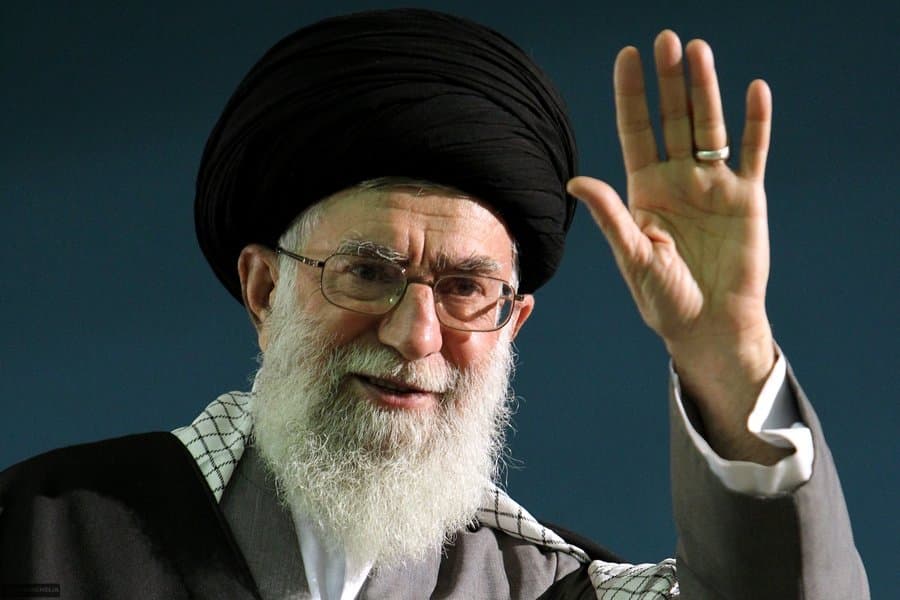
Iran leader end of 2026?
PM $40.81M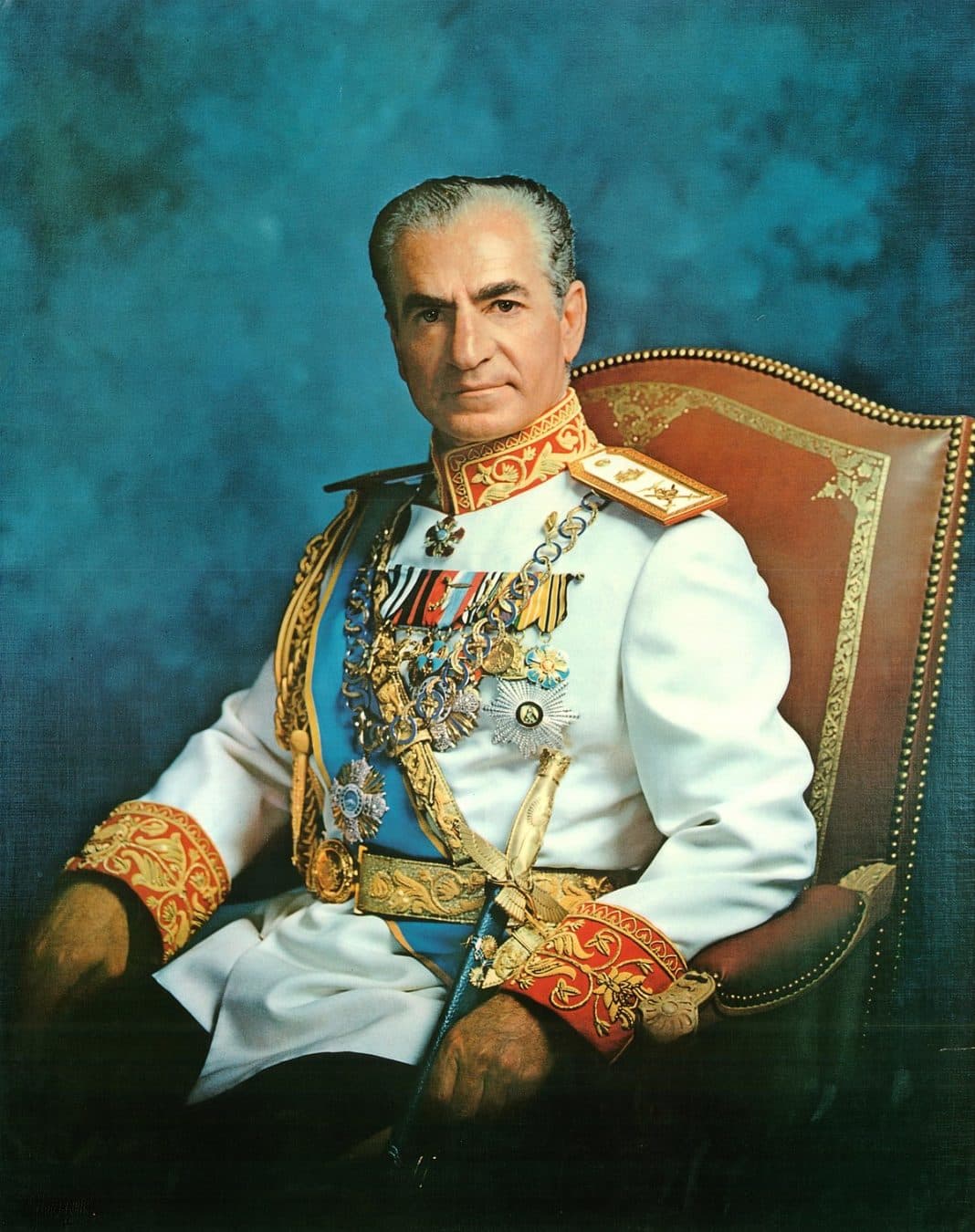
US recognizes Reza Pahlavi as leader of Iran in 2026?
PM $683.9K
Pro Football All-Purpose Yards Leader
K 1.7K contracts
Pro Football Passing Interceptions Leader
K 4.7K contracts
Pro Football Passing Yards Leader
K 369.0K contracts
Pro Football Rushing Yards Leader
K 247.3K contractsMarket Insights
Price gaps of 2 pp+
0
Same-question pairs
1
Largest saved gap: 0.0 percentage points.
Price differences do not establish arbitrage. Check each pair's review, current order prices, fees and settlement rules.