3rd richest person on December 31?
PM $28.2K
1
11
3rd richest person on December 31?
PM $28.2K
1
11
Current odds
Snapshot from
As of Oct 21, 2026, 3:00 AM UTC, the highest-priced outcome on Polymarket is Warren Buffett at 43.9%.
Polymarket
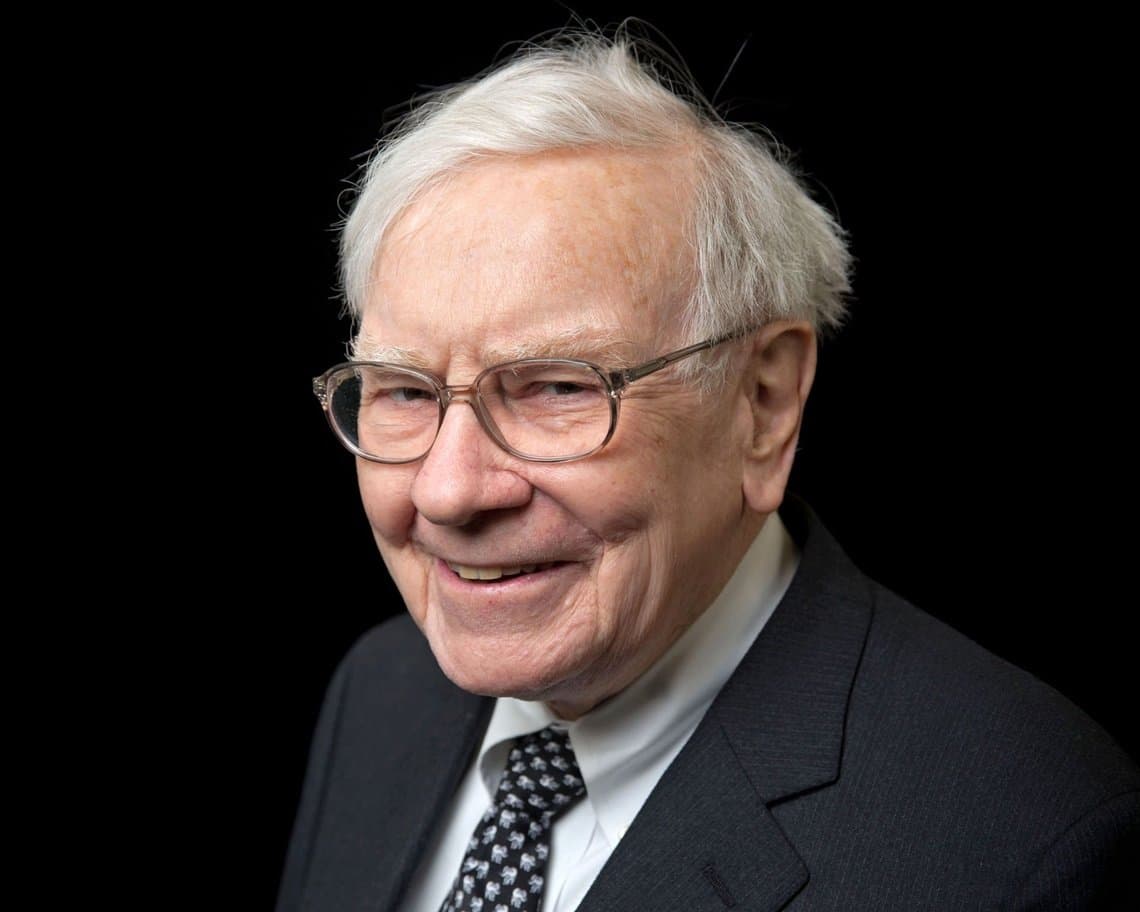
- Warren Buffett43.9%
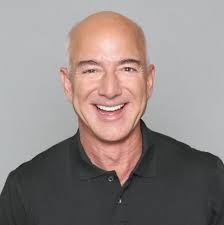
- Jeff Bezos41.9%
- Larry Ellison33.4%
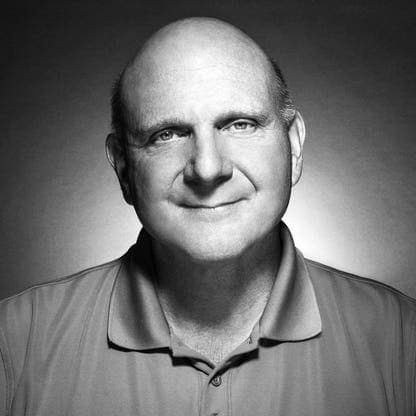
- Steve Ballmer18.4%
- Jensen Huang17.3%
Yes prices. They are not order quotes; check each platform's rules, fees and live prices before trading.
AI Analysis
Trader mode: Market mechanics, assumptions and risks
PM $28.2K
Reported volume · provider units
11
Saved contracts
0
Same-question pairs
Source snapshot: Oct 21, 2026, 3:00 AM UTC
About This Event
This market will resolve according to the name ranked #3 on the Bloomberg Billionaires Index on December 31, 2026, 5:30 PM ET. The primary resolution source for this market will be the Bloomberg Billionaires Index (https://www.bloomberg.com/billionaires/). If the data for the specified date is not released by December 31, 2026, 11:59 PM ET, the Forbes Real-Time Billionaires List will be used (https://www.forbes.com/real-time-billionaires/#6aa3f0213d78). If neither source provides the specified date's data by January 2, 2027, 11:59 PM ET, this market will resolve according to the latest data point available on the Bloomberg Billionaires Index.
This analysis is awaiting a background update, so its prices may be older than the odds above.
Snapshot observed 2026-10-14T15:00:05.948Z. This analysis describes that snapshot and is not a live news update.
What the contract measures
The saved event asks who will be ranked third on the Bloomberg Billionaires Index on December 31, 2026, at 5:30 PM ET. The source states that the "primary resolution source for this market will be the Bloomberg Billionaires Index" and that if data for that date is not released by December 31, 2026, 11:59 PM ET, the "Forbes Real-Time Billionaires List will be used" [1]. The excerpt is cut off mid-sentence, so the fallback language for the case where neither source provides the data is not fully available in the evidence.
Each market in the event is a separate Yes or No contract on one named person. The listed end time for most contracts is 2027-01-03T04:59:00.000Z, but the Michael Dell contract shows 2026-12-31T00:00:00.000Z [1]. Listed end times, the ranking time in the rules, and actual resolution are different things, and the evidence does not show how the Dell difference affects settlement.
Reading the snapshot
The provider observed these prices at 2026-10-14T15:00:05.948Z, and the record was retrieved at 15:37:16 UTC the same day [1]. These are observations from that moment, not executable quotes or verified probabilities.
Within the snapshot, the highest Yes prices are Warren Buffett at 0.428, Jensen Huang at 0.4215, and Elon Musk at 0.25 [1]. The lowest are Michael Dell at 0.003 and Larry Ellison at 0.0015 [1]. The Yes prices do not sum to one, so they should not be read as a complete probability distribution across the field. Each contract is a separate question, and the prices should not be averaged or compared with contracts on other platforms, since the wording and close times may differ.
The record includes 11 of 11 markets for this event, with no partial sample flag [1]. That means every saved market for this event is included. It does not establish that the provider lists every possible real-world candidate.
What remains uncertain
The evidence does not explain why any price is where it is, how many traders hold each position, or how liquid any contract is. Volume is not included in the evidence as a measure of liquidity or trader count, and the snapshot should not be treated as current after its observation time.
References
- Polymarket: 3rd richest person on December 31?. Provider data observed 2026-10-14T15:00:05.948Z.
AI-generated analysis based on market data. Not financial advice.
Saved Oct 14, 2026 UTCThis saved content is awaiting a background update. It may contain outdated claims; use the dated market data and provider rules for the latest available information.
Overview
This PredictPedia contract asks which person will be ranked third on the Bloomberg Billionaires Index on December 31, 2026, at 5:30 PM ET. The provider's rules name that index as the primary resolution source [1]. If the data for that date is not released by December 31, 2026, 11:59 PM ET, the Forbes Real-Time Billionaires List is used instead. If neither source provides the specified ranking, the rules describe a further fallback that the excerpt does not fully show [1]. The listed end time for the event is January 3, 2027, at 04:59 UTC [1]. The market is a ranking question, so each candidate is a separate Yes or No contract on whether that person holds the third position on the resolution date. The saved event includes eleven such candidate contracts, including Warren Buffett, Jensen Huang, Elon Musk, Steve Ballmer, Jeff Bezos, Bernard Arnault, Mark Zuckerberg, Sergey Brin, Larry Page, Michael Dell and Larry Ellison [1]. Two of the saved contracts list an end date of December 31, 2026, at 00:00 UTC, while the others list January 3, 2027. The provider data does not explain this difference, so readers should check each contract's own end time rather than assume they all close together. The prices shown are snapshots taken at the observation time, not live or executable quotes, and they are not verified probabilities. Volume figures are not included in this article because they do not show liquidity or the number of traders. Prices for different candidates should be read separately, since the saved sample is one provider event and the rankings are not combined across events.
Why It Matters
The contract measures a single position on a single ranking list on a single date. Because the rules tie resolution to the Bloomberg Billionaires Index for a stated time on December 31, 2026, the outcome depends on that index's ranking at that moment, with the Forbes list used only if the Bloomberg data is not released in time [1]. The contract therefore tracks a rule-based ranking rather than a general measure of wealth or influence. Readers should treat the current prices as a record of how traders priced each candidate at one observation time, not as a forecast verified by any outside source [1].
Snapshot context
The latest published provider snapshot for this topic was observed on 2026-10-14 at 15:00 UTC. It contains listings from Polymarket. Market descriptions and listed closing times define the contracts; they do not establish that the real-world outcome has occurred. This article does not include a separately verified news update. [1]
Frequently Asked Questions
What determines whether a contract resolves Yes?
The contract resolves according to the name ranked number three on the Bloomberg Billionaires Index on December 31, 2026, at 5:30 PM ET [1]. Each candidate contract asks whether that specific person holds that position on that date [1].
What happens if the Bloomberg data is not released in time?
The rules state that the Forbes Real-Time Billionaires List will be used if the data for the specified date is not released by December 31, 2026, at 11:59 PM ET [1].
Do the listed prices show the likelihood of each outcome?
The saved prices are snapshots from one observation time and are not executable quotes or verified probabilities [1]. For example, the Yes price for Warren Buffett was 0.428 and for Elon Musk was 0.25 in the saved sample, but these values describe that moment only [1].
Does the sample include every possible candidate?
The saved sample includes all eleven markets for this provider event, but the provider data does not establish that every possible real-world outcome is listed [1]. An unlisted person therefore should not be assumed to have a particular price.
AI-written background. References identify the evidence used; Wikipedia links under Learn More are additional reading. Prices and provider rules are dated snapshots. This is not financial advice.
Related prediction markets
Prices are catalog snapshots and may have changed. Check each market's rules and observation time.

Richest person on December 31, 2026?
PM $1.95M2nd richest person on December 31?
PM $48.3K
3rd Largest Company end of December 2026?
PM $81.4K
Will Anthropic and the Vatican meet?
PM $5.4K · K 1.7K contractsAnother Vatican x Anthropic meeting by December 31?
Kalshi: Will it be reported by any of the Source Agencies that Anthropic and the Holy See hold an in-person meeting before Jan 1, 2027?
Related contracts
Related or unreviewed contracts may settle differently. Their gap is not an equivalent-contract comparison.
Saved prices; check contract rules.

Elon Musk net worth on December 31, 2026
K 98.6K contracts
Which cities will Waymo launch in by December 31?
PM $85.0KMarket Insights
Price gaps of 2 pp+
0
Same-question pairs
0
No outcomes on this page have been reviewed as the same question on both platforms yet.
Price differences do not establish arbitrage. Check each pair's review, current order prices, fees and settlement rules.