$142.90K
1
10

$142.90K
1
10
Trader mode: Actionable analysis for identifying opportunities and edge
This market will resolve according to the name ranked #1 on the Bloomberg Billionaires Index on December 31, 2026, 5:30 PM ET. The primary resolution source for this market will be the Bloomberg Billionaires Index (https://www.bloomberg.com/billionaires/). If the data for the specified date is not released by December 31, 2026, 11:59 PM ET, the Forbes Real-Time Billionaires List will be used (https://www.forbes.com/real-time-billionaires/#6aa3f0213d78). If neither source provides the specified
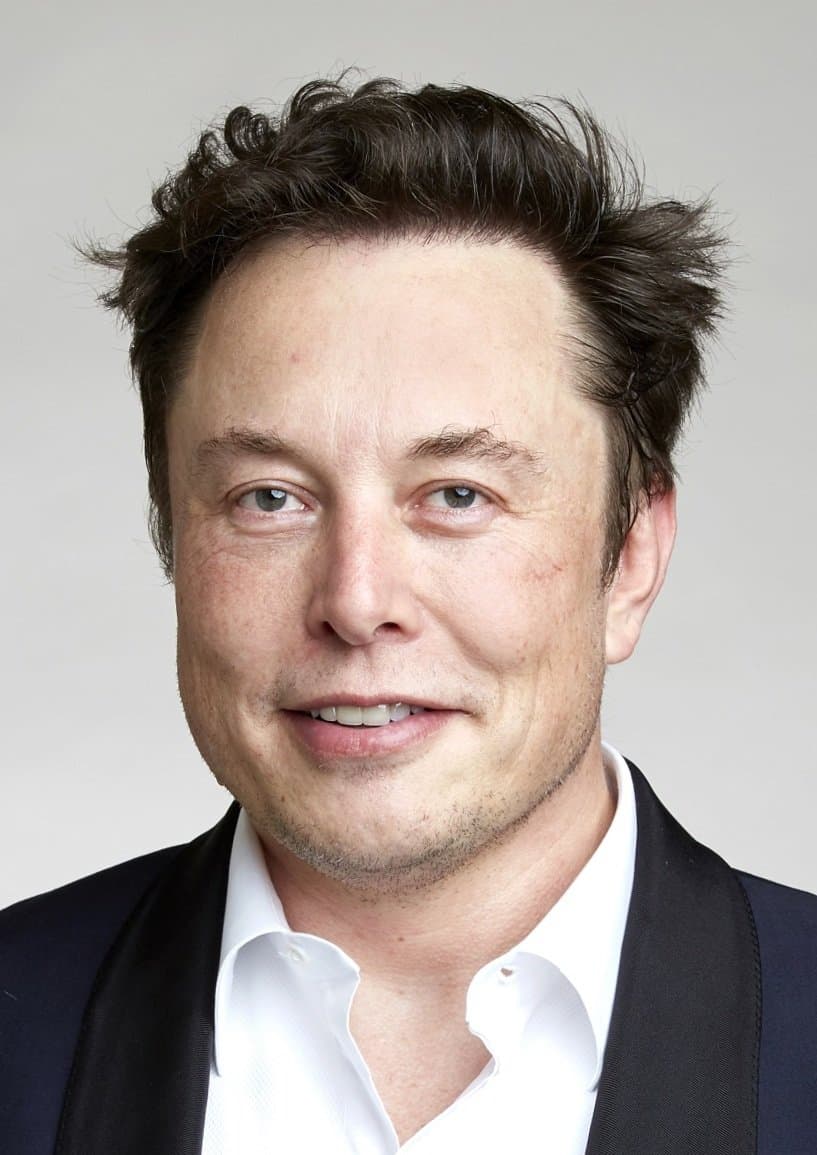
Prediction markets currently give Elon Musk about a 9 in 10 chance of being the world's richest person at the end of 2026. This is a very high level of confidence, suggesting traders see his lead as stable for the next two and a half years. The market is focused on a single question about Musk, rather than actively pricing other contenders like Bernard Arnault or Jeff Bezos as serious threats for the top spot by that date.
Two main factors explain this high probability. First, Musk's wealth is overwhelmingly tied to his ownership of Tesla and SpaceX stock. The market's view likely assumes that the value of these companies, especially Tesla, will not collapse in a way that completely erases his large lead. Second, his closest rival, LVMH chairman Bernard Arnault, has a fortune tied to the luxury goods sector. Traders may believe this sector is more vulnerable to economic downturns than Musk's mix of electric vehicles and aerospace. Historically, the top position has shifted between Musk, Arnault, and Bezos in recent years based on daily stock moves, but a two-year forecast smooths out that volatility and favors the person with the largest starting advantage.
The prediction is sensitive to major events that move stock prices. For Musk, watch Tesla's quarterly earnings reports and delivery numbers, as well as any significant updates on SpaceX's valuation or Starlink's potential IPO. For Arnault, key signals will be LVMH's earnings and broader consumer spending trends in China and Europe. A major, sustained downturn in the stock market would affect all billionaires but could hit luxury stocks harder. No single date will decide this, but consistent trends over the next 24 months will confirm or challenge the current forecast.
Markets are decent at forecasting stable, high-profile outcomes like this, but they are not perfect. They effectively aggregate all public information about company valuations and growth trends. The biggest limitation is the unpredictability of "black swan" events—a major product failure, a sudden regulatory shift, or a personal decision to sell a large amount of stock could quickly change the standings. For a timeframe as long as December 2026, the 91% chance reflects strong confidence, but it also includes the assumption that no extraordinary, unforeseen event will radically alter the current landscape of wealth.
Prediction markets assign a 91% probability that Elon Musk will be the world's richest person on December 31, 2026. This price, trading near its maximum, indicates traders view the outcome as almost certain. The market shows high confidence, with the next closest contender, Bernard Arnault, priced at just 4%. The concentration of volume in Musk's contract reflects a strong consensus.
Musk's lead is anchored by his concentrated wealth in Tesla and SpaceX. Tesla's valuation, while volatile, provides a massive base. SpaceX's continued dominance in launch services and its Starlink subsidiary represent a growing, private asset that frequently receives valuation mark-ups. In contrast, Bernard Arnault's LVMH fortune is tied to luxury consumer demand, which is seen as more susceptible to economic cycles. The market effectively prices in a continuation of the tech-driven wealth expansion seen over the past decade, betting that Musk's companies will outpace the growth of luxury goods or other sectors.
Historical precedent also matters. Musk has held the top spot consistently since 2021, with brief interruptions. Traders are betting on path dependency, where his existing lead in highly scalable businesses is difficult for rivals to overcome in a two-and-a-half-year timeframe.
A significant downturn in Tesla's stock price is the most direct threat. This could be triggered by weaker-than-expected electric vehicle demand, intensified competition, or a broader market correction. SpaceX encountering a major operational failure or a setback in Starlink's monetization could also slow the private valuation increases that bolster his net worth.
For Arnault or another contender to gain, a scenario involving a surge in luxury spending coupled with a severe tech sector recession would be necessary. An unforeseen rise of a new contender, like an AI company founder, is possible but not currently priced in. Key dates to watch are quarterly earnings reports for Tesla and LVMH, along with any new funding rounds for SpaceX that establish its valuation.
AI-generated analysis based on market data. Not financial advice.
Educational content is AI-generated and sourced from Wikipedia. It should not be considered financial advice.
10 markets tracked

No data available
| Market | Platform | Price |
|---|---|---|
![]() | Poly | 91% |
![]() | Poly | 3% |
![]() | Poly | 2% |
![]() | Poly | 2% |
![]() | Poly | 1% |
![]() | Poly | 1% |
![]() | Poly | 1% |
![]() | Poly | 1% |
![]() | Poly | 0% |
![]() | Poly | 0% |


No related news found
Add this market to your website
<iframe src="https://predictpedia.com/embed/PjcDY0" width="400" height="160" frameborder="0" style="border-radius: 8px; max-width: 100%;" title="Richest person on December 31, 2026?"></iframe>