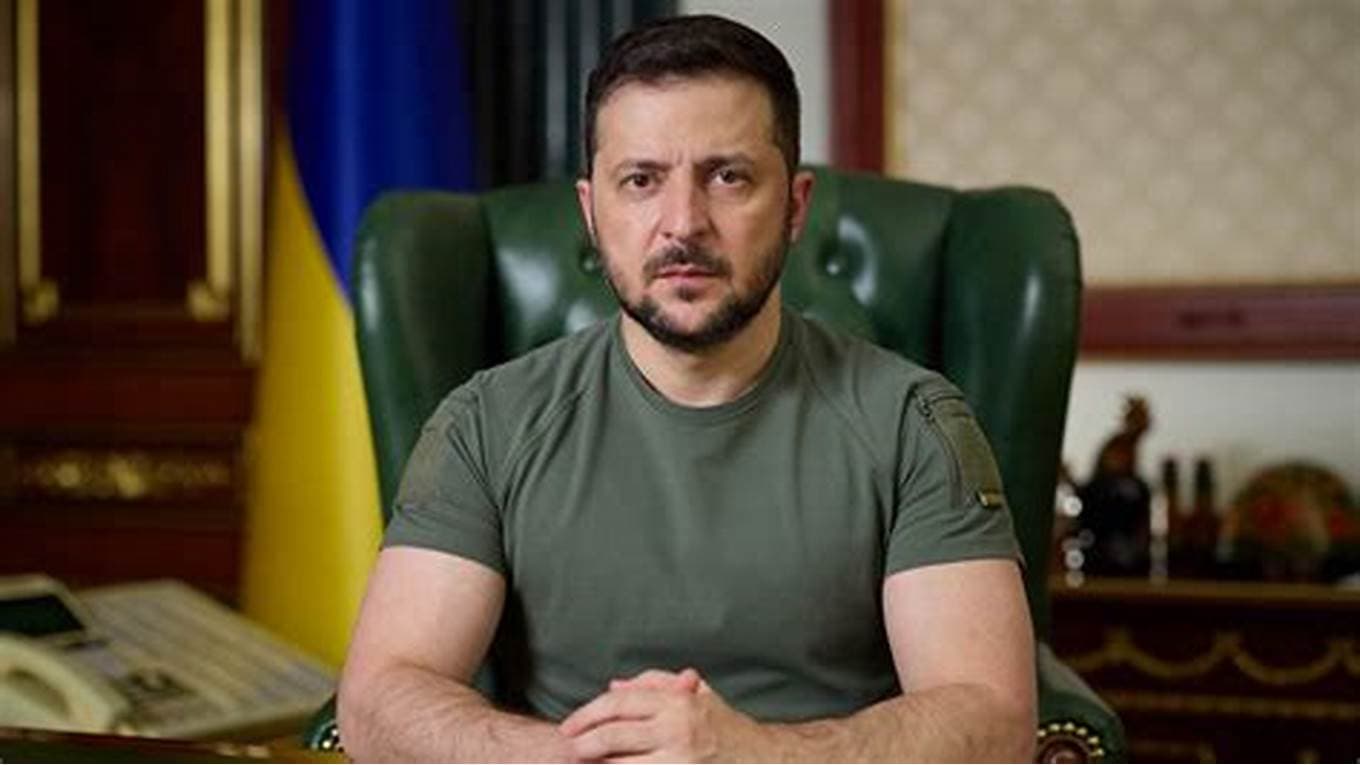
Ukraine election called by...?
$1.86M
1
1
Ukraine election called by...?
$1.86M
1
1
AI Analysis
Trader mode: Actionable analysis for identifying opportunities and edge
About This Event
This market will resolve to "Yes" if the next Ukrainian presidential election is scheduled in 2025. Otherwise, this market will resolve to "No". This market is about whether a date for the next Ukrainian election is announced between February 14 and December 31, 2025, 11:59 PM ET. Whether the election is supposed to take place in 2025 or later will have no effect on the resolution to this market. The primary resolution source for this market is official information from the Government of Ukrai
This saved analysis is awaiting a background update.
Current Market Outlook
Polymarket gives a Ukrainian presidential election call by December 31, 2026 only an 18% probability. That is a clear no. The market sees the current government extending its mandate past the scheduled 2024 election date as the baseline expectation. With $1.7 million in volume across two related contracts, this is a liquid enough market to take seriously.
The 18% price means bettors think there is roughly a 1 in 5 chance that Ukraine announces an election date within the next 18 months. That is not zero, but it is far from a toss-up. The market is pricing in continued martial law or political instability that delays the vote.
Key Factors Driving the Odds
Ukraine suspended its 2024 presidential election under martial law, which the constitution permits during wartime. The government has repeatedly stated that holding elections while Russian troops occupy 18% of the country is logistically impossible and a security risk. Millions of citizens are displaced abroad or in combat zones. No reliable voter rolls exist for occupied territories.
The political calculus also matters. President Zelenskyy’s approval rating has dropped from 90% in 2022 to roughly 50% today. An election now would likely produce a more fragmented parliament and a weaker executive. The current government has little incentive to rush.
Western allies have been quiet on this issue. The U.S. and EU have not pressured Ukraine to hold elections during active war, recognizing the practical barriers. That silence reinforces the status quo.
What Could Change These Odds
A ceasefire or peace deal in 2025 would be the single biggest catalyst. If fighting stops, the constitutional basis for martial law dissolves. The government would face immediate domestic and international pressure to set a date. That scenario is not priced in at 18% because the war shows no sign of ending.
Internal political fractures could also force a vote. If Zelenskyy’s coalition collapses or a major corruption scandal breaks, snap elections become a pressure release valve. The market is betting against that too.
The biggest risk to the current price is a specific announcement. If Zelenskyy said in June 2025 that elections would happen in spring 2026, the market would spike toward 50% or higher. But that requires a political decision that nothing in the current data supports.
AI-generated analysis based on market data. Not financial advice.
Saved Jul 10, 2026 UTCThis saved content is awaiting a background update.
Overview
This prediction market concerns whether the Government of Ukraine will officially announce a date for the next presidential election between February 14 and December 31, 2025. Ukraine's presidential elections are normally held every five years, with the last election taking place in 2019. Under the Ukrainian Constitution, elections cannot be held during a state of martial law, which has been in effect since Russia's full-scale invasion began on February 24, 2022. President Volodymyr Zelenskyy's term was originally set to expire in May 2024, but the election was postponed due to the ongoing war and the constitutional prohibition on elections during martial law. The market specifically asks if an election date is announced in 2025, regardless of when the actual election would occur.
Historical Context
Ukraine's modern presidential elections have been held every five years since independence in 1991, with the exception of the 2014 snap election following the Euromaidan Revolution. The 2019 election saw Volodymyr Zelenskyy defeat incumbent Petro Poroshenko in a landslide, winning 73% of the vote in the second round. That election was widely considered free and fair by international observers. The Ukrainian Constitution states that presidential elections must be held on the last Sunday of March of the fifth year of the president's term, but Article 108 allows for the extension of presidential powers in the event of martial law. Martial law was first declared in parts of Ukraine in 2018 after Russia's seizure of Ukrainian vessels in the Kerch Strait, but it was limited in scope. After the full-scale invasion in February 2022, nationwide martial law was declared and has been renewed every 90 to 120 days by the Verkhovna Rada. The last regular election date would have been March 31, 2024. In November 2023, Zelenskyy stated that holding elections during wartime would require changing the constitution and would be logistically impossible given the millions of displaced citizens and soldiers on the front lines.
Why It Matters
The question of whether Ukraine will announce a presidential election in 2025 has significant implications for the country's democratic legitimacy and its international standing. If no election is held, Zelenskyy will continue in office beyond his constitutional term, which critics argue undermines democratic norms. Supporters counter that wartime conditions make free and fair elections impossible, and that holding them would be irresponsible. The decision also affects domestic political dynamics, as opposition figures like Poroshenko have used the lack of elections to criticize the government. Internationally, Ukraine's allies have largely accepted the postponement, but a prolonged delay could strain relations and provide propaganda material for Russia, which has falsely claimed that Zelenskyy is an illegitimate leader. The market reflects uncertainty about the war's trajectory: an announcement in 2025 would likely signal that Ukraine's leadership believes the war will end or de-escalate enough to allow elections.
Current Status
As of early 2025, no date for a presidential election has been announced by the Government of Ukraine. Martial law remains in effect and has been renewed by the Verkhovna Rada. President Zelenskyy and other officials have repeatedly stated that elections will not be held until the war ends and security conditions allow for free and fair voting. There is no public indication from the government that an election date will be announced in 2025, though the possibility remains if the war de-escalates significantly. The market will resolve based on official announcements from the Government of Ukraine, not on speculation or media reports.
Frequently Asked Questions
Why can't Ukraine hold elections during martial law?
The Ukrainian Constitution prohibits elections during martial law. Additionally, millions of citizens are displaced or serving in the military, making voter registration and polling logistically impossible in a free and fair manner.
Is Volodymyr Zelenskyy still the legitimate president after his term ended?
Yes. The Ukrainian Constitution allows for the extension of presidential powers during martial law. This is a standard provision in many countries. No major international body has questioned his legitimacy.
When will Ukraine's next presidential election be held?
No date has been announced. Most analysts expect elections will not be held until after the war ends or at least until a ceasefire is in place. The 2025 prediction market is about whether a date is announced, not when the election occurs.
Could Ukraine hold elections while the war is ongoing?
Technically possible if martial law is lifted, but extremely difficult. The government would need to register millions of displaced voters, enable voting from abroad, and ensure security at polling stations. Most experts consider it impractical.
What do Ukrainian citizens think about postponing elections?
Polls show a majority of Ukrainians support postponing elections until after the war. Many prioritize national unity and defense over electoral processes during active conflict.
Has Russia used the lack of elections as propaganda?
Yes. Russian officials have repeatedly claimed that Zelenskyy is an 'illegitimate' leader because his term expired. However, this argument is not recognized by Ukraine's allies or international law.
Educational content is AI-generated and sourced from Wikipedia. It should not be considered financial advice.