$6.32K
1
1

1 market tracked

No data available
| Market | Platform | Price |
|---|---|---|
![]() | Poly | 11% |
Trader mode: Actionable analysis for identifying opportunities and edge
This market will resolve to "Yes" if the U.S. government announces a full evacuation of the U.S. Embassy in Jerusalem, Israel, or a full evacuation of the embassy is otherwise confirmed by March 31, 2026, 11:59 PM ET. Otherwise, this market will resolve to "No". A full evacuation announced within this market's timeframe will qualify for a "Yes" resolution regardless of whether an actual evacuation subsequently takes place within the timeframe. Announcements of a partial evacuation, where some
Prediction markets currently give roughly a 1 in 9 chance that the United States will announce a full evacuation of its embassy in Jerusalem by March 31, 2026. This means traders collectively view such an announcement as unlikely within this timeframe. The low probability suggests the market sees a stable diplomatic presence as the expected outcome.
Two main factors explain the low odds. First, the Jerusalem embassy is a symbol of major U.S. foreign policy. The U.S. moved its embassy from Tel Aviv to Jerusalem in 2018, a decision that was politically significant and controversial. Reversing this presence through a full evacuation would be an extraordinary step, signaling a severe breakdown in security or diplomatic relations.
Second, current conditions do not point toward that level of crisis. While conflict in the region persists, the embassy itself is a fortified compound. A full evacuation would likely require a direct, imminent threat to the compound that could not be managed by increased security. Markets are betting that such a threat will not materialize in the next two years.
There is no single deadline, but markets will react to any escalation that threatens diplomats directly. Watch for major militant attacks targeting Jerusalem or specific threats against the embassy compound. Significant policy statements from the U.S. State Department regarding security in Jerusalem could also shift predictions. The run-up to the U.S. presidential election in November 2024 and the subsequent administration's policy toward Israel may influence long-term risk assessments.
Markets are generally decent at aggregating geopolitical risk, but low-probability events like this are hard to price. The thin trading volume on this specific question, about $6,000, means the odds could be more sensitive to new information than a heavily traded market. For context, prediction markets have a mixed record on rare, high-impact events because they depend on traders imagining scenarios outside recent experience. The forecast is a useful snapshot of current collective doubt, not a guarantee.
The Polymarket contract "U.S. evacuates Jerusalem embassy by March 31?" is trading at 11¢, indicating an 11% probability. This price reflects a market consensus that a full embassy evacuation is a low-probability, high-impact event. With only $6,000 in total volume, liquidity is thin, meaning the price is more sensitive to individual trades and may not represent a deep, institutional view. An 11% chance is a speculative longshot, but not negligible given the geopolitical context.
The primary factor suppressing the price is the immense symbolic and strategic weight of the U.S. Embassy in Jerusalem. Its 2018 relocation from Tel Aviv was a major, contentious policy shift. An evacuation would signal a catastrophic breakdown in U.S.-Israel security coordination or an extreme, direct threat to the compound itself, likely requiring a severe escalation in regional conflict. Current U.S. policy emphasizes unwavering support for Israel's security. Diplomatic drawdowns or travel advisories are common, but a full embassy evacuation is a historically rare measure reserved for active warfare or imminent state collapse in the host nation, conditions not currently present in Israel.
The odds could spike on specific, tangible threats. A major missile or drone barrage from a state actor like Iran or Hezbollah that directly targets Jerusalem or U.S. facilities would force a rapid reassessment of diplomatic security. Official intelligence warnings of an imminent, credible plot against the embassy compound would also move the market. Conversely, the odds could fall toward zero with a sustained period of calm or a significant de-escalation in regional tensions, such as a durable Gaza ceasefire that reduces the risk of broader conflict. The thin liquidity means any relevant headline could cause sharp price swings disproportionate to the actual change in risk.
AI-generated analysis based on market data. Not financial advice.
$6.32K
1
1
This prediction market addresses whether the United States will announce a full evacuation of its embassy in Jerusalem, Israel, by March 31, 2026. The U.S. Embassy in Jerusalem is a highly symbolic diplomatic post, representing American recognition of Jerusalem as Israel's capital. A full evacuation announcement would signal a major shift in U.S. foreign policy and security assessment, likely triggered by an extreme threat to diplomatic personnel. The market resolves based on an official announcement or confirmed reporting of such an evacuation, not on the physical completion of the evacuation process. Interest in this topic stems from the embassy's political significance and the volatile security environment in the region, where escalations between Israel and groups like Hamas or Hezbollah could threaten diplomatic compounds. The question reflects concerns about a potential breakdown in security that would force the U.S. to withdraw its diplomatic presence from a key ally's capital. The embassy has been a flashpoint since the Trump administration moved it from Tel Aviv to Jerusalem in 2018, a decision that sparked widespread protests and condemnation from Palestinian authorities and many Arab states. Monitoring this possibility involves analyzing U.S. State Department travel advisories, military assessments of conflict risks in Gaza and the West Bank, and diplomatic communications between Washington and Jerusalem. A decision to evacuate would follow protocols established after incidents like the 2012 Benghazi attack, where ambassador Chris Stevens was killed.
The history of the U.S. Embassy in Jerusalem is marked by prolonged diplomatic controversy. For decades following Israel's establishment in 1948, the U.S. maintained its embassy in Tel Aviv, treating Jerusalem's status as subject to final peace negotiations. This changed on December 6, 2017, when President Donald Trump announced U.S. recognition of Jerusalem as Israel's capital. The embassy officially relocated from Tel Aviv to Jerusalem on May 14, 2018, coinciding with the 70th anniversary of Israel's founding. That move triggered protests across the Palestinian territories and diplomatic condemnations from many U.S. allies. The embassy's current location is in the Arnona neighborhood, housed in the existing U.S. Consulate General building, which was repurposed. A permanent new embassy complex is planned in the Allenby Barracks site, but construction has faced delays. Historically, U.S. embassies in the Middle East have been evacuated under dire circumstances. In 2011, the U.S. Embassy in Damascus, Syria, suspended operations due to civil war violence. In 2015, the U.S. Embassy in Sana'a, Yemen, evacuated after Houthi rebels seized the capital. The most relevant precedent is the 2023 evacuation of the U.S. Embassy in Khartoum, Sudan, where staff were airlifted amid fighting between rival military factions. These precedents establish that the State Department will order an evacuation when host-nation security forces cannot guarantee protection.
An evacuation of the Jerusalem embassy would represent the most severe downgrade in U.S.-Israel diplomatic relations since 1948. It would signal that the United States assesses Israel cannot provide basic security for foreign diplomats in its own capital, undermining Israel's standing internationally. Such a move would likely occur alongside broader regional conflict, potentially involving missile attacks from multiple fronts that threaten civilian areas. For the Palestinian Authority, an evacuation might be viewed as validation of their long-standing position that Jerusalem is a contested city under occupation, though it would also create immediate humanitarian and security crises in the West Bank. Economically, an evacuation would disrupt billions of dollars in U.S. aid coordination and development projects managed through the embassy. It would freeze visa processing for thousands of Israelis and Palestinians, affecting academic exchanges, business travel, and family reunification. The security implications would extend to other diplomatic missions in Jerusalem, likely triggering similar evacuations by allied nations and creating a vacuum in international representation.
As of early 2024, the U.S. Embassy in Jerusalem remains fully operational. The State Department has not issued evacuation orders or authorized voluntary departure for diplomatic families, though it maintains a travel advisory for Israel and the West Bank at Level 3 ('Reconsider Travel'). The embassy has enhanced its security posture since the October 2023 Hamas attacks, which included rocket fire that reached the Jerusalem area. Diplomatic activity continues, with Ambassador Satterfield meeting regularly with Israeli and Palestinian officials. The U.S. has deployed two carrier strike groups to the Eastern Mediterranean since October 2023, partly to deter regional escalation that could threaten diplomatic facilities. No public statements from U.S. or Israeli officials suggest an evacuation is under consideration.
An evacuation would be triggered by a specific, severe threat that host-nation security forces cannot mitigate. This typically involves active military conflict reaching the capital city, credible intelligence of an imminent terrorist attack on the compound, or the collapse of local government authority. The decision follows a formal security assessment by the Diplomatic Security Service.
No, the U.S. Embassy in Jerusalem has never been fully evacuated since its opening in 2018. The earlier U.S. Consulate General in Jerusalem, which handled Palestinian affairs, also was not evacuated during past conflicts. However, the consulate did suspend operations during periods of intense violence, such as the Second Intifada in the early 2000s.
Evacuated staff would most likely be relocated to the U.S. Embassy in Tel Aviv initially, or to a nearby allied country like Jordan or Cyprus. The State Department maintains contingency plans for temporary operations from alternate locations. Essential personnel might continue working from remote locations under a 'ordered departure' status.
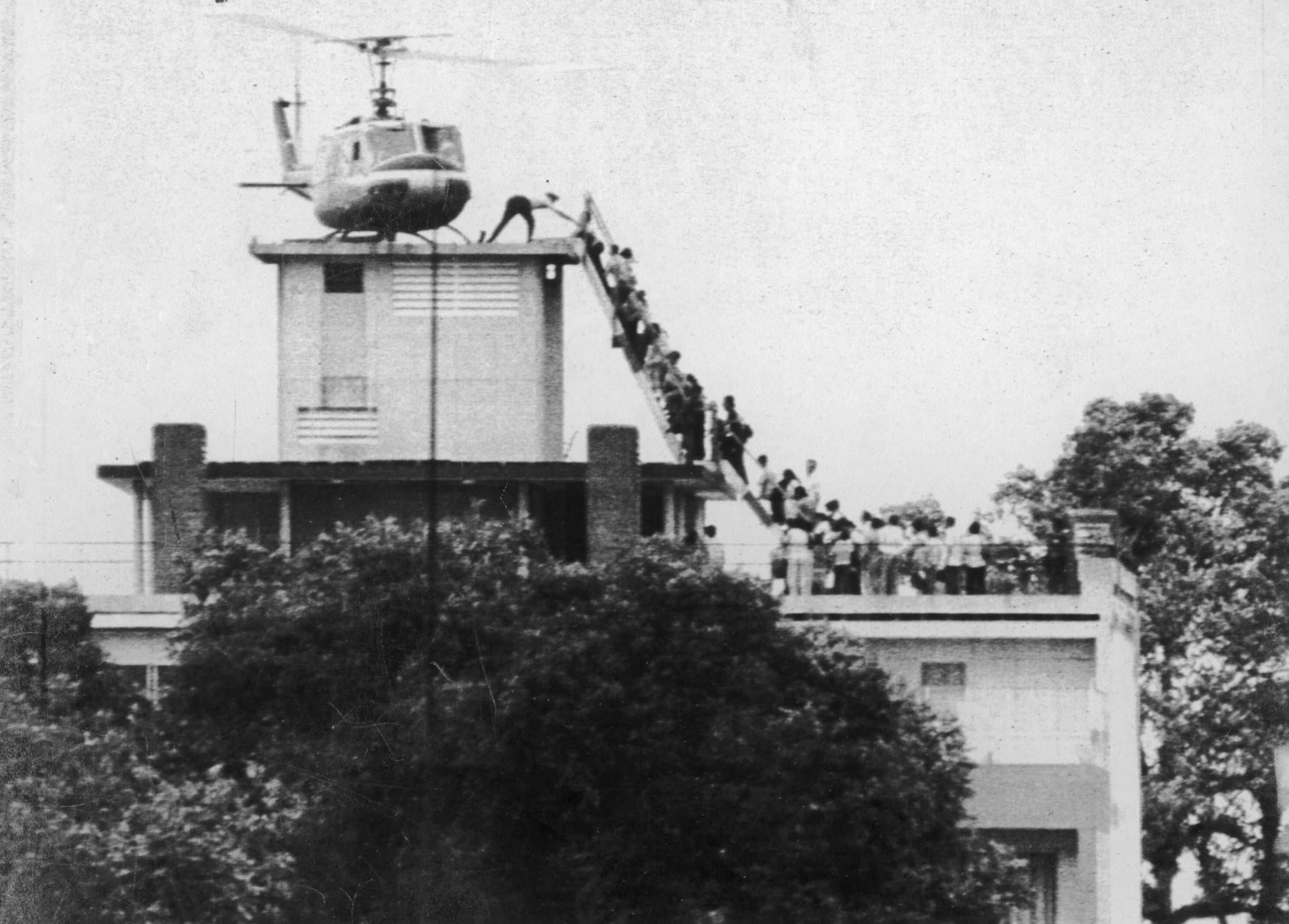
A full evacuation of all American personnel could take 24-72 hours, depending on available transportation and security conditions. The 2023 evacuation of the U.S. Embassy in Khartoum required multiple helicopter lifts over two days. Non-essential personnel and family members would leave first, followed by diplomats and finally the Marine security detachment.
The building would be secured and likely placed under the protection of the Israeli police or military. Sensitive documents and equipment would be destroyed or removed following standard diplomatic protocols. The American flag would be lowered, but the property would retain its diplomatic immunity under the Vienna Convention on Diplomatic Relations.
Educational content is AI-generated and sourced from Wikipedia. It should not be considered financial advice.

No related news found
Add this market to your website
<iframe src="https://predictpedia.com/embed/Uj-j7z" width="400" height="160" frameborder="0" style="border-radius: 8px; max-width: 100%;" title="U.S. evacuates Jerusalem embassy by March 31?"></iframe>