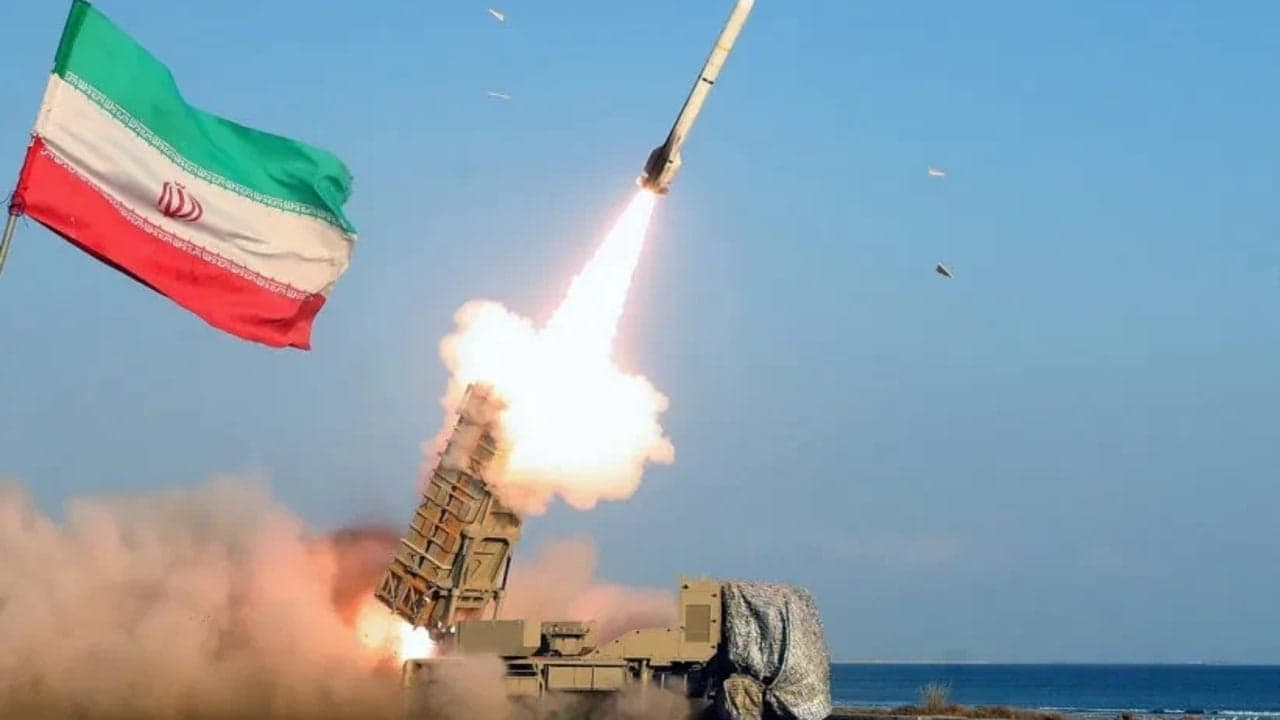
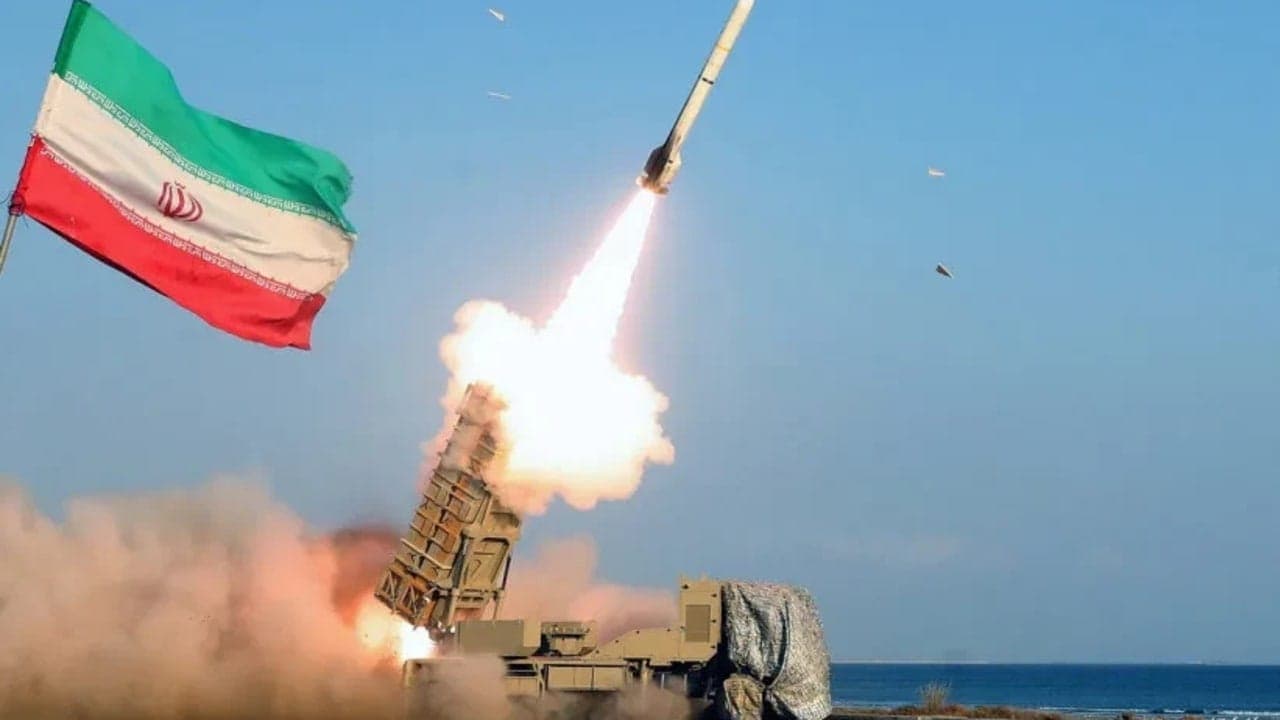
How many different countries will Iran strike in March?
AI Analysis
Trader mode: Actionable analysis for identifying opportunities and edge
34%
Top Probability
$18.52K
Volume
10
Markets
1
Platforms
About This Event
This market will resolve according to the total number of different sovereign UN member states' soil that Iran initiates a drone, missile, or air strike between March 1, 2026, 12:00 AM ET and March 31, 2026, 11:59 PM ET.
Strikes on embassies or consulates will count towards the country where the embassy or consulate is located, not towards the country they represent.
Strikes within the West Bank or the Gaza Strip, will be counted as Israel.
Only military actions by Iranian forces explicitly c
AI-generated analysis based on market data. Not financial advice.
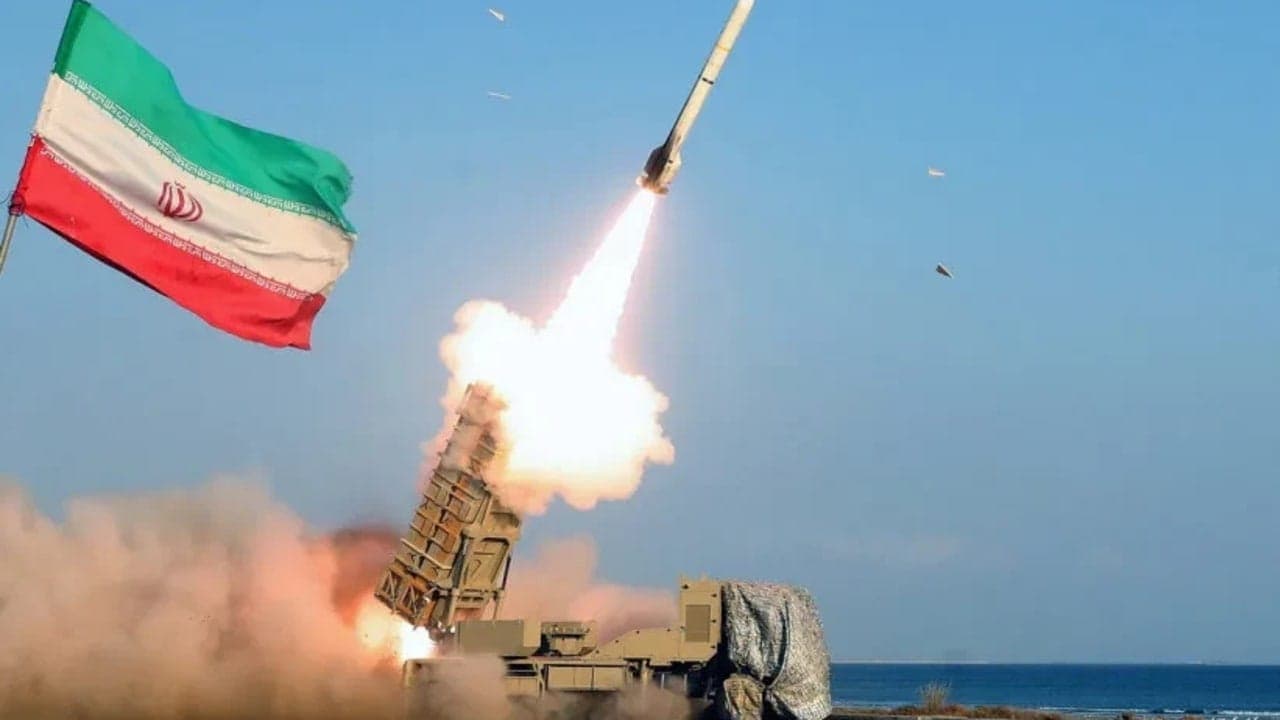
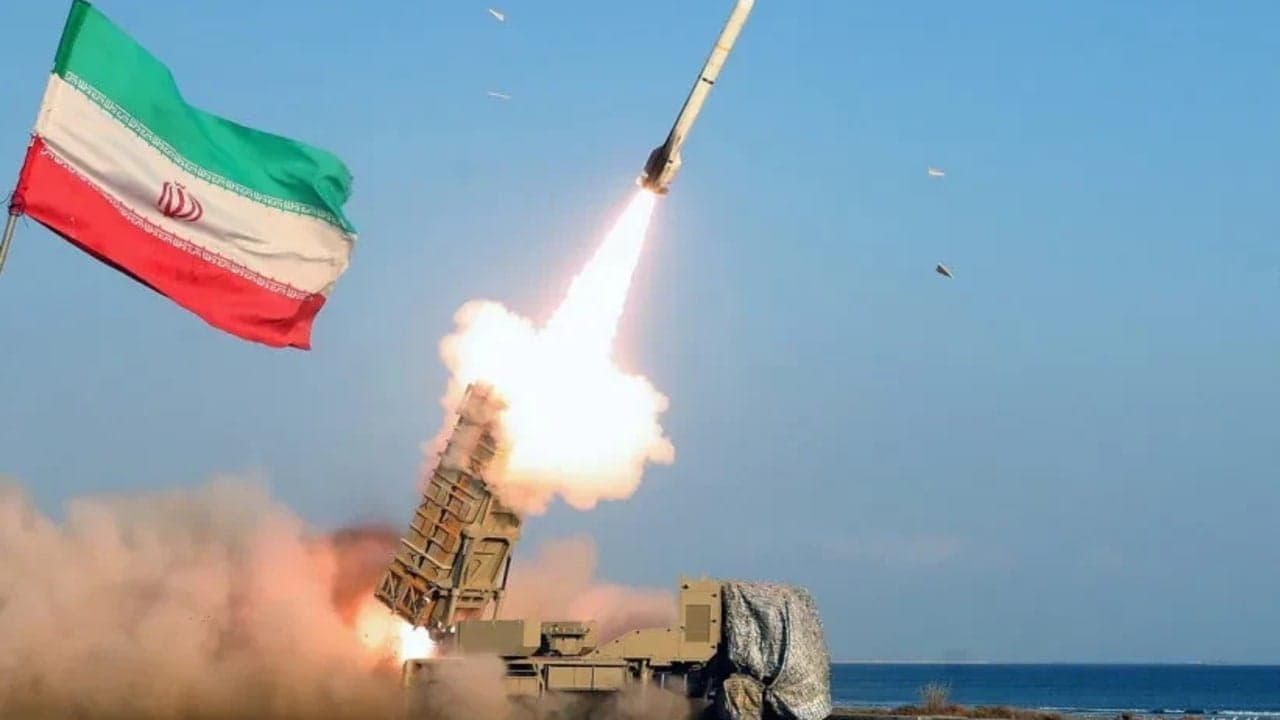
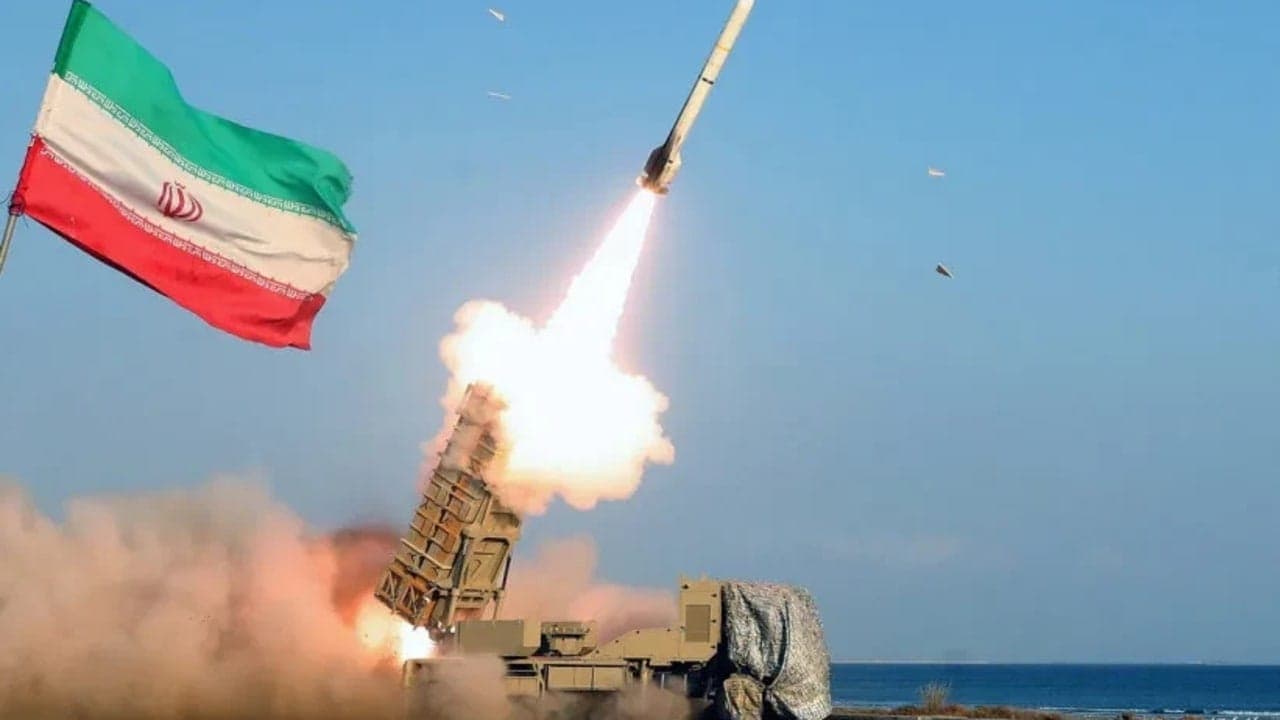
This prediction market asks how many different countries Iran will strike with drones, missiles, or air attacks during March 2026. The market specifically counts strikes on the sovereign soil of United Nations member states. It includes attacks on embassies or consulates, counting them as strikes against the host country. Actions in the West Bank or Gaza Strip are considered strikes against Israel. The market only counts military actions explicitly conducted by Iranian armed forces, not by proxy groups acting independently. This question reflects heightened global concern about Iran's willingness to conduct direct military operations beyond its borders, a significant shift from its historical reliance on regional proxies. Recent escalations in the Middle East, particularly involving Israel and U.S. forces, have demonstrated Iran's growing capability and intent to launch cross-border attacks. Analysts monitor Iran's ballistic missile and drone programs, which provide the means for such strikes. The March 2026 timeframe is significant as it follows a period of intense regional tension and precedes key diplomatic deadlines, potentially creating a volatile window for military action. People are interested in this topic because it quantifies a direct measure of regional conflict escalation, with implications for global oil markets, alliance structures, and the risk of a broader war.
Historical Context
Iran's history of direct military strikes beyond its borders is relatively recent. For decades, the country relied primarily on proxy forces like Hezbollah in Lebanon, the Houthis in Yemen, and various militias in Iraq and Syria to project power. This strategy, often called the 'axis of resistance,' allowed Iran to exert influence while maintaining plausible deniability. A significant shift began in 2018, when the IRGC launched ballistic missiles at Islamic State targets in eastern Syria. In January 2020, Iran directly launched over a dozen ballistic missiles at U.S. forces stationed at Al-Asad Air Base in Iraq, in retaliation for the U.S. drone strike that killed Qasem Soleimani. This was a clear escalation to direct state-on-state attack. In March 2022, Iran launched missiles at what it claimed was an Israeli 'strategic center' in Erbil, Iraq. The most dramatic precedent for multi-country strikes occurred in January 2024, when Iran conducted missile strikes in Iraq, Syria, and Pakistan within 48 hours, claiming to target an Israeli Mossad base, Islamic State militants, and the Sunni militant group Jaish al-Adl, respectively. Pakistan retaliated with its own strikes, highlighting the risk of rapid escalation. This established a modern precedent for Iran striking multiple sovereign nations in a short timeframe.
Why It Matters
The number of countries Iran strikes is a direct indicator of regional stability and the threshold for interstate conflict. Each additional country targeted increases the probability of a retaliatory response, potentially triggering a chain reaction that could draw in major powers like the United States or draw Israel into a wider war. For global markets, especially oil, strikes in the Persian Gulf region threaten shipping lanes through the Strait of Hormuz, through which about 20% of the world's oil passes. Insurance premiums for shipping spike following attacks, increasing global energy costs. Politically, such strikes test international diplomatic frameworks and alliance commitments. They force regional governments to choose between condemning Iran and risking their own security, or remaining silent and undermining their relationships with Western partners. For the Iranian government, direct strikes are a high-risk tool to demonstrate strength to its domestic audience and to its regional proxies, but they also carry the cost of further international isolation and economic sanctions.
Current Status
As of early 2025, regional tensions remain exceptionally high. The conflict between Israel and Hamas in Gaza continues, with frequent exchanges of fire between Israel and Iran-backed Hezbollah in Lebanon. Iran and Israel have been engaged in a shadow war, with suspected Israeli strikes on Iranian targets in Syria and Iran vowing retaliation. In January 2025, the IRGC conducted a major military exercise, 'Great Prophet 19,' showcasing long-range drone and missile capabilities. Diplomatic efforts to revive the Joint Comprehensive Plan of Action (JCPOA), or Iran nuclear deal, are stalled. The U.S. maintains a significant military presence in the region, including forces in Iraq, Syria, and naval assets in the Persian Gulf, which Iran frequently cites as provocations.
Frequently Asked Questions
What is considered an Iranian strike for this prediction market?
The market resolves based on strikes initiated by Iranian military forces using drones, missiles, or air power on the soil of a UN member state. It includes attacks on embassies, counting the host country. It does not count attacks by proxy groups like the Houthis unless they are explicitly and publicly conducted by Iranian forces.
Has Iran ever struck multiple countries in a short time before?
Yes. In January 2024, Iran launched missile strikes against targets in Iraq, Syria, and Pakistan within a 48-hour period. This event is the clearest modern precedent for the scenario of Iran attacking multiple sovereign nations in a single month.
Which countries are most likely to be targeted by Iran?
Based on recent history and stated grievances, the highest probability targets are Israel, Iraq, Syria, and Pakistan. Israel is a perennial adversary. Iraq and Syria host U.S. forces that Iran opposes. Pakistan was struck in 2024 over border security issues.
How does Iran's drone capability affect its strike range?
Iran manufactures long-endurance drones like the Shahed-136, which have an operational range of over 2,000 kilometers. These drones are slower than missiles but are cheaper, making them suitable for sustained campaigns and increasing the number of potential target countries.
What would trigger Iran to launch cross-border strikes?
Historical triggers include assassinations of Iranian scientists or commanders (like Qasem Soleimani), major attacks on Iranian-linked facilities in Syria, direct Israeli strikes on Iranian soil, or severe terrorist attacks inside Iran that the government blames on foreign-backed groups.
Was this helpful?
Updated Mar 1, 2026
Educational content is AI-generated and sourced from Wikipedia. It should not be considered financial advice.
<iframe src="https://predictpedia.com/embed/WeN92Q" width="400" height="160" frameborder="0" style="border-radius: 8px; max-width: 100%;" title="How many different countries will Iran strike in March?"></iframe>