$199.23K
1
4

$199.23K
1
4
Trader mode: Actionable analysis for identifying opportunities and edge
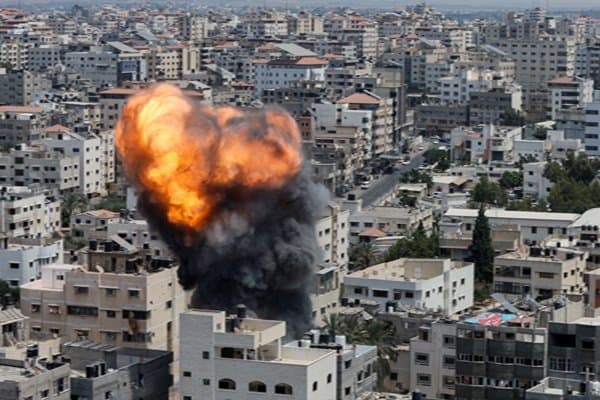
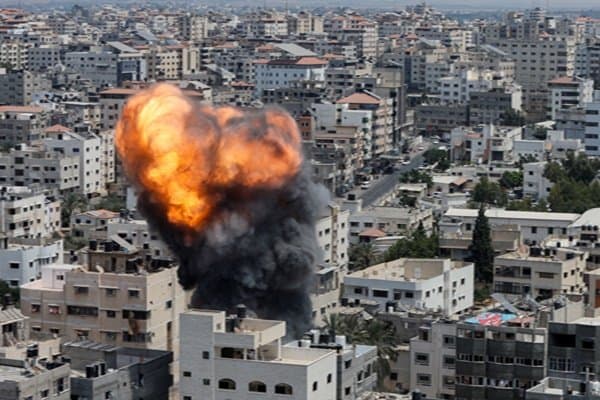
This market will resolve according to the total number of different sovereign UN member states' soil that Israel initiates a drone, missile, or air strike between January 1, 2026, 12:00 AM ET and January 31, 2026, 11:59 PM ET. Strikes on embassies or consulates will count towards the country where the embassy or consulate is located, not towards the country they represent. Strikes within the territory controlled by Israel as of December 31, 2025, 11:59 PM ET, as well as strikes within the West
AI-generated analysis based on market data. Not financial advice.
This prediction market topic concerns the geographic scope of Israeli military strikes in 2026, specifically the number of distinct countries whose territory Israel will target with drone, missile, or air attacks during that calendar year. The resolution criteria define a strike as an initiated attack on foreign soil, excluding territories controlled by Israel as of the end of 2025, the West Bank, and Gaza. This market serves as a quantitative proxy for assessing regional escalation risks and the potential expansion of Israel's military engagements beyond its immediate neighbors, primarily Iran and its allied militias. Recent years have seen a pattern of Israeli operations targeting Iranian assets and personnel across multiple Middle Eastern countries, raising questions about the sustainability and risks of this 'campaign between wars.' The interest in this market stems from its ability to quantify a critical dimension of regional stability, with implications for global energy markets, diplomatic relations, and the potential for broader conflict. Analysts, policymakers, and investors monitor such indicators to gauge the likelihood of a regional conflagration that could involve major powers.
Israel's practice of conducting military strikes beyond its immediate borders has deep roots, notably beginning with retaliatory raids in the 1950s and the famous 1976 Entebbe hostage rescue in Uganda. The modern precedent for sustained cross-border campaigns was set after the 2006 Lebanon War, with Israel establishing a policy to interdict arms shipments to Hezbollah. This evolved into the acknowledged 'campaign between wars' (MABAM) around 2013, a covert and sometimes overt effort to degrade Iranian military capabilities in Syria and prevent the transfer of precision-guided missiles to Hezbollah. According to the Syrian Observatory for Human Rights, Israel conducted hundreds of airstrikes in Syria between 2017 and 2023. The geographic scope expanded significantly with the alleged Israeli sabotage and assassination campaigns inside Iran, including the 2020 killing of nuclear scientist Mohsen Fakhrizadeh and the 2022 drone strike on a military facility in Isfahan. The October 2023 Hamas attack and subsequent war in Gaza triggered a dramatic escalation, with Israel striking Hezbollah targets in Lebanon daily and expanding operations to include alleged Iranian Revolutionary Guard Corps officials in Syria. This historical arc demonstrates a clear trend toward more frequent and geographically dispersed operations.
The number of countries struck by Israel in a given year is a critical barometer of Middle Eastern stability and a direct threat to global economic security. Each additional country targeted increases the risk of a miscalculation or disproportionate retaliation that could spiral into a wider regional war, potentially drawing in major powers like the United States and disrupting vital maritime chokepoints like the Strait of Hormuz. Such a conflict would have immediate and severe consequences for global energy markets, as the region accounts for nearly a third of the world's seaborne oil trade. Beyond economics, expanded strikes exacerbate humanitarian crises, displace populations, and undermine the sovereignty of already fragile states like Lebanon, Syria, and Yemen. For the international community, a high count signals the failure of diplomatic containment and the ascendancy of military deterrence as the region's organizing principle, setting dangerous precedents for unilateral actions by other states.
As of late 2024, the region remains at a heightened state of tension following the war in Gaza. Low-intensity but persistent conflict continues along Israel's northern border with Lebanon, involving daily exchanges of fire and Israeli airstrikes on Hezbollah positions. Israel has also reportedly intensified strikes on Iranian-linked targets in Syria, including several high-profile attacks in early 2024. The key dynamic heading into 2026 is whether these fronts de-escalate or whether Israel chooses to expand operations, potentially into more distant countries like Yemen or Iraq, in response to continued threats from Iranian proxies. Diplomatic efforts, including U.S.-mediated negotiations, are ongoing to prevent a full-scale war with Hezbollah, the outcome of which will heavily influence the 2026 strike count.
The market resolves based on strikes on the sovereign territory of internationally recognized countries. Strikes within the West Bank and Gaza are excluded, as they are not considered sovereign states. Strikes on an embassy count against the host country's soil, not the country the embassy represents.
Yes, Israel has conducted direct strikes on Iranian soil, though these have been relatively rare and often covert. Documented incidents include drone attacks on military and nuclear facilities in Isfahan (2022) and Natanz (2021), and the assassination of nuclear scientists inside Iran.
Based on recent patterns, Lebanon and Syria are the most probable targets due to the persistent presence of Hezbollah and Iranian forces. Yemen and Iraq are also potential candidates if hostilities with the Houthis escalate or if Iranian-backed militia attacks on Israel originate from there.
The U.S. position is often one of tacit support or quiet acquiescence, particularly for strikes targeting Iranian assets in Syria, which align with broader U.S. interests in countering Iran. However, Washington has expressed concern over strikes that risk major escalation or occur in sensitive partner countries like Jordan.
MABAM is the Israeli military doctrine of conducting persistent, low-profile operations between major wars to disrupt enemy capabilities, primarily targeting Iranian military entrenchment and weapons transfers to proxies like Hezbollah. It is the strategic framework behind most Israeli cross-border strikes.
Educational content is AI-generated and sourced from Wikipedia. It should not be considered financial advice.
Share your predictions and analysis with other traders. Coming soon!
4 markets tracked

No data available
| Market | Platform | Price |
|---|---|---|
![]() | Poly | 46% |
![]() | Poly | 43% |
![]() | Poly | 10% |
![]() | Poly | 6% |


No related news found
Add this market to your website
<iframe src="https://predictpedia.com/embed/XDx2Li" width="400" height="160" frameborder="0" style="border-radius: 8px; max-width: 100%;" title="How many different countries will Israel strike in January?"></iframe>