$52.07K
1
12

$52.07K
1
12
Trader mode: Actionable analysis for identifying opportunities and edge
This market will resolve to "Yes" if Iran initiates a drone, missile, or air strike on a Gulf State's soil on the listed date in Arabia Time (GMT+3). Otherwise, this market will resolve to "No". Qualifying "Gulf States" are as follows: Bahrain, Kuwait, Oman, Qatar, Saudi Arabia, and the United Arab Emirates. Only military actions by Iranian forces explicitly claimed by the Islamic Republic of Iran, or confirmed to have originated from Iranian territory, will count toward the resolution of this
AI-generated analysis based on market data. Not financial advice.
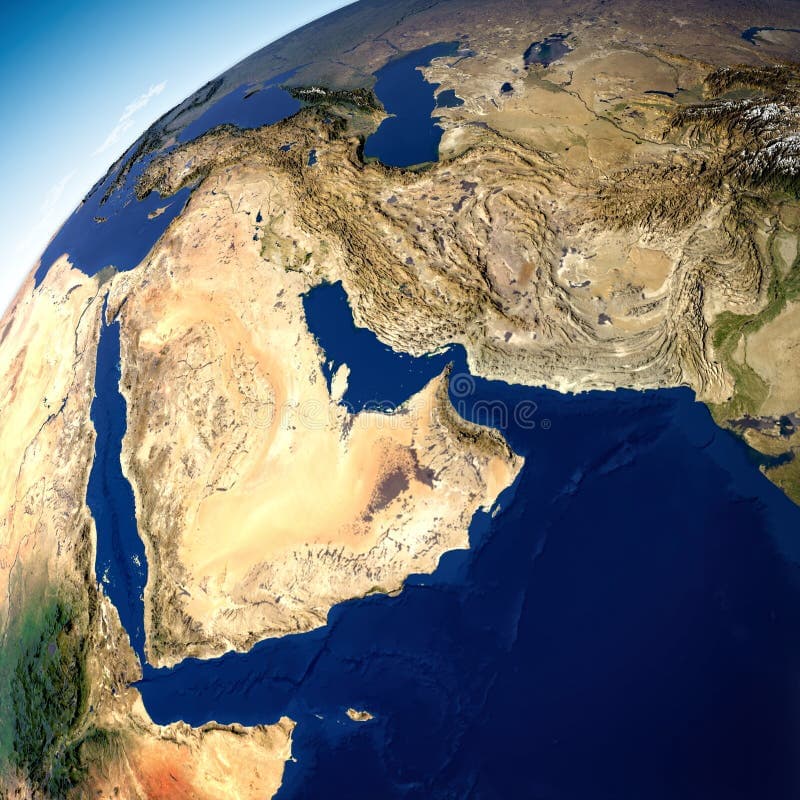
This prediction market topic concerns the possibility of Iran conducting military strikes against one of the six Gulf Cooperation Council states: Bahrain, Kuwait, Oman, Qatar, Saudi Arabia, or the United Arab Emirates. The market resolves based on whether Iranian forces launch a drone, missile, or air strike from Iranian territory onto the soil of one of these nations on a specified date. The action must be explicitly claimed by Iran or confirmed by intelligence sources to have originated from within Iran. This topic sits at the intersection of regional security, geopolitical rivalry, and the stability of global energy markets. The Persian Gulf region contains approximately 48% of the world's proven oil reserves and 38% of its natural gas reserves, making any military conflict there a matter of international concern. Recent years have seen a pattern of Iranian-backed proxy attacks and occasional direct strikes, often linked to the broader confrontation between Iran and its regional rivals, particularly Saudi Arabia and Israel. People monitor this possibility because an overt Iranian attack on a Gulf state would represent a significant escalation, potentially drawing in the United States and other international actors and threatening major disruptions to global oil supplies and shipping lanes.
The potential for Iranian military action against Gulf states is rooted in decades of geopolitical and sectarian rivalry, primarily with Saudi Arabia. Following the 1979 Islamic Revolution, Iran sought to export its revolutionary ideology, alarming the Sunni-led monarchies across the Gulf. This tension escalated into open confrontation during the 1980-1988 Iran-Iraq War, where most Gulf states provided financial support to Saddam Hussein's Iraq. A more direct pattern of attacks emerged in the 2010s. In 2011, U.S. authorities uncovered an Iranian plot to assassinate the Saudi ambassador in Washington, D.C. The most significant precedent occurred on September 14, 2019, when drones and cruise missiles struck Saudi Arabia's Abqaiq oil processing facility and the Khurais oil field. The attack temporarily halved Saudi oil production, cutting 5% of global supply. U.S. and Saudi intelligence concluded the attack originated from Iranian territory, though Iran denied responsibility. In January 2022, the Iran-backed Houthi movement in Yemen launched drone and missile attacks against Abu Dhabi, UAE, killing three people. While not a direct Iranian strike, it demonstrated the reach of Iranian-supplied weaponry. These events established a modern precedent for cross-Gulf attacks targeting critical economic infrastructure.
A direct Iranian strike on a Gulf state would have immediate and severe consequences for global energy security. The Strait of Hormuz, bordered by Iran and several Gulf states, is the world's most important oil transit chokepoint, with about 21 million barrels of oil per day passing through in 2023. Any conflict that disrupts shipping could cause oil prices to spike, triggering economic instability worldwide. Politically, such an attack would test U.S. security guarantees under bilateral defense agreements with countries like Saudi Arabia, the UAE, and Bahrain. It could force a direct U.S. military response, potentially escalating into a wider regional war. For the Gulf states themselves, an attack would undermine investor confidence, threaten trillions of dollars in infrastructure projects, and could destabilize governments by exposing vulnerabilities in their defense systems. The social impact would include potential civilian casualties, displacement, and a deepening of sectarian divides within the region's diverse populations.
As of early 2024, regional tensions remain high due to the ongoing war in Gaza and confrontations between Iran and Israel. In April 2024, Iran launched a direct missile and drone attack on Israel from its own territory, marking a shift to more overt military action. This precedent increases concerns that Iran might employ similar tactics against Gulf states it perceives as hostile. Diplomatic channels between Iran and Saudi Arabia, reopened in 2023, remain operational but fragile. The U.S. maintains a significant military presence in the region and has intercepted weapons shipments from Iran to proxies. Intelligence agencies continue to monitor Iranian military readiness and communications for indicators of planned strikes.
U.S. and Saudi officials state that Iran directly attacked Saudi Arabia's Abqaiq oil facility in September 2019. The attack used drones and cruise missiles that, according to intelligence assessments, were launched from Iranian territory. Iran has not officially claimed responsibility for that strike.
Potential triggers include a major attack on Iranian soil attributed to a Gulf state, a Gulf state hosting an attack on Iran by a third party like Israel, or a severe escalation in the regional shadow war. Iran has also threatened retaliation if its nuclear scientists are assassinated or its nuclear facilities are attacked.
Gulf states rely on integrated air defense systems, primarily U.S.-made Patriot and THAAD batteries, alongside advanced radar. Saudi Arabia and the UAE have invested billions in these systems, but the low cost and swarm tactics of drones present a persistent challenge to interception.
The U.S. has bilateral defense agreements with Saudi Arabia, the UAE, Bahrain, and Qatar. These agreements, while not identical to NATO's Article 5, commit the U.S. to help defend these countries against external aggression, including through the sale of weapons and potential military intervention.
Oman maintains a neutral foreign policy and often acts as a mediator between Iran and other nations. Qatar has maintained working diplomatic and economic ties with Iran. Both countries host significant U.S. military assets, however, which could make them targets if Iran sought to strike those facilities.
Educational content is AI-generated and sourced from Wikipedia. It should not be considered financial advice.
12 markets tracked

No data available
| Market | Platform | Price |
|---|---|---|
![]() | Poly | 97% |
![]() | Poly | 90% |
![]() | Poly | 88% |
![]() | Poly | 81% |
![]() | Poly | 77% |
![]() | Poly | 71% |
![]() | Poly | 69% |
![]() | Poly | 66% |
![]() | Poly | 61% |
![]() | Poly | 12% |


No related news found
Add this market to your website
<iframe src="https://predictpedia.com/embed/Y3moO2" width="400" height="160" frameborder="0" style="border-radius: 8px; max-width: 100%;" title="Iran military action against a Gulf State on...?"></iframe>