This event has ended. Showing historical data.

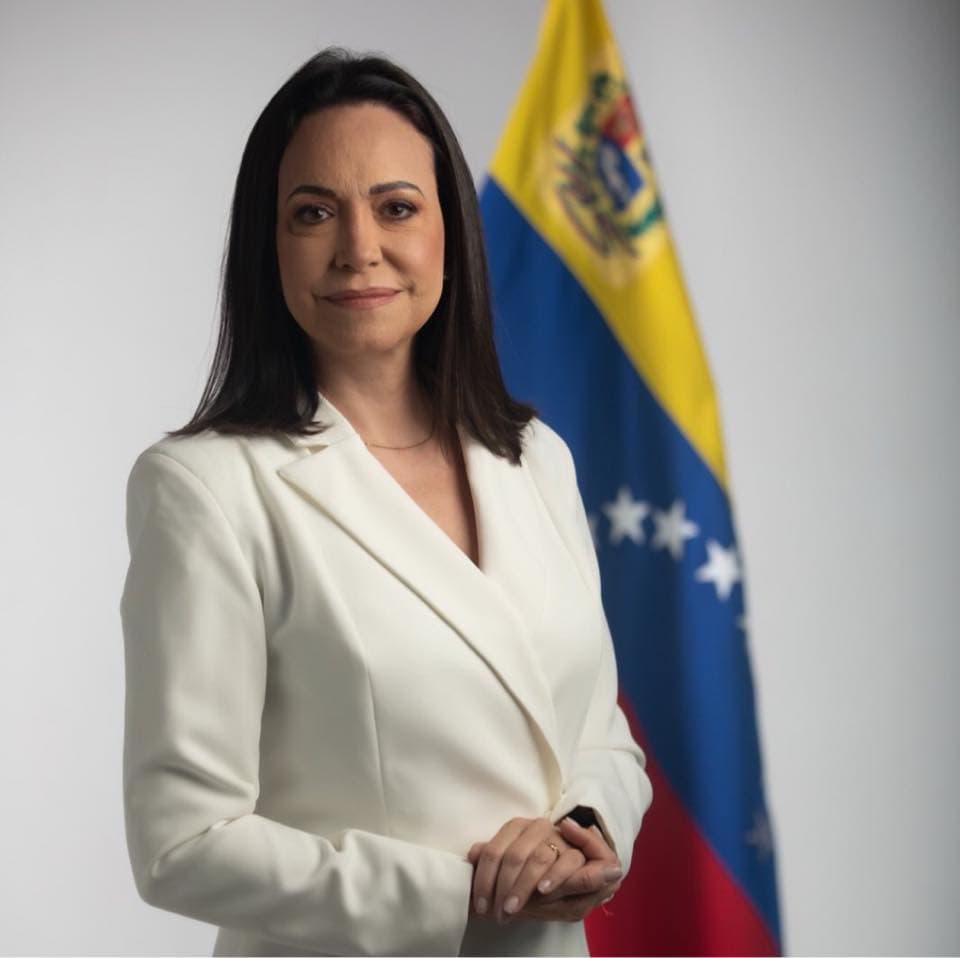
U.S. recognizes Machado as leader of Venezuela by December 31?
$3.54K
1
1
U.S. recognizes Machado as leader of Venezuela by December 31?

$3.54K
1
1
AI Analysis
Trader mode: Actionable analysis for identifying opportunities and edge
About This Event
This market will resolve to "Yes" if the Trump administration announces that the United States officially recognizes Maria Corina Machado as the leader of Venezuela by December 31, 2026, 11:59 PM ET. Otherwise, this market will resolve to "No". Roles that could qualify for leader of Venezuela status include, but are not limited to, "head of state," "president," or other similar roles that give her primary executive authority in the territory of Venezuela. A qualifying US statement must be dire
Current Market Outlook
Prediction markets are pricing this at 18% on Polymarket, with $1.8 million in volume. That is a low probability, meaning traders see a US recognition of Machado as Venezuela's leader by January 31 as unlikely but not impossible. An 18% chance translates to roughly 5-1 odds against. The market has held steady around this level for weeks, suggesting no major catalyst has shifted sentiment.
Key Factors Driving the Odds
The Trump administration has taken a hard line on Nicolas Maduro, reimposing oil sanctions and revoking the Biden-era license for Chevron. But recognizing Machado as "leader of Venezuela" goes further than any policy step taken so far. It would effectively declare Maduro illegitimate and Machado the legitimate authority, a move that would escalate tensions with Russia, China, and Cuba, all of whom back Maduro.
The biggest obstacle is that Machado cannot legally hold office under current Venezuelan law. The Maduro-controlled Supreme Court banned her from running for 15 years. US recognition of her as leader would be a symbolic gesture with no practical enforcement mechanism. It would also put the US in the position of backing a figure who has no military or institutional control inside Venezuela.
There is also the question of what "leader" means in this context. The market description includes "head of state" and "president." A simple statement of support for Machado's democratic legitimacy would not resolve this market. The US would need to explicitly name her as the leader, which is a higher bar than most diplomatic language.
What Could Change These Odds
The January 31 deadline is tight. If the State Department or White House makes a clear statement before then, the market would spike sharply. But the more likely scenario is that the administration continues its current approach: pressuring Maduro through sanctions while keeping options open for negotiations.
A major event inside Venezuela, like mass protests or a military defection, could push the odds higher. So could a direct request from Machado herself for recognition. But without either, the market is pricing this as a long shot. If no statement comes by January 31, the market will resolve to No and the 18% price will have been an overestimate of the actual probability.
AI-generated analysis based on market data. Not financial advice.
Overview
This prediction market asks whether the United States will officially recognize Maria Corina Machado as the leader of Venezuela by January 31, 2026. Machado is a Venezuelan opposition politician who won the opposition primary in October 2023 with over 90% of the vote. She has been a leading figure challenging the government of President Nicolas Maduro, who has held power since 2013 following the death of Hugo Chavez. The U.S. has long opposed Maduro's government, imposing sanctions and recognizing opposition leader Juan Guaido as interim president from 2019 to 2023. However, the situation shifted after the 2024 Venezuelan presidential election, which both the opposition and many international observers say was stolen by Maduro. Machado was barred from running by the Maduro-controlled Supreme Court, but she campaigned on behalf of opposition candidate Edmundo Gonzalez. The U.S. under President Joe Biden did not recognize Machado as a leader, but the Trump administration, which took office in January 2025, has taken a harder line on Maduro. In early 2025, Trump imposed additional sanctions and revoked a license allowing Chevron to operate in Venezuela. The question now is whether Trump will go further and formally recognize Machado as the country's legitimate leader, a move that would escalate U.S. pressure on Maduro and align with some Republican lawmakers who have advocated for such action. The market reflects uncertainty about the Trump administration's policy on Venezuela, balancing hawkish rhetoric against potential diplomatic or economic considerations. Observers are watching for statements from the White House, State Department, or Treasury that explicitly name Machado as head of state, president, or similar role. The market resolves to yes only if such an announcement comes by the deadline, making it a binary bet on a specific policy outcome. The topic matters because U.S. recognition could shift international support for Maduro's opponents, affect oil markets given Venezuela's reserves, and influence migration patterns from the country.
Historical Context
The U.S. has a long history of intervening in Venezuela, dating back to the Cold War. More recently, the U.S. imposed sanctions on Venezuela in 2017 after Maduro's government cracked down on protests. In January 2019, the U.S. recognized Juan Guaido as interim president, joining over 50 countries in rejecting Maduro's 2018 reelection as fraudulent. That recognition lasted until December 2023, when the opposition dissolved Guaido's interim government and shifted to a new strategy focused on the 2024 election. The U.S. under Biden supported this shift, recognizing the opposition primary and urging Maduro to allow fair elections. However, Maduro barred Machado from running, leading the opposition to field Gonzalez instead. After the July 2024 election, the opposition published detailed vote tallies showing Gonzalez winning, but Maduro's government claimed victory without releasing any vote counts. The U.S. and many other countries refused to recognize Maduro's win, but did not recognize Gonzalez as president either. Instead, they called for dialogue and negotiations. The Trump administration, which began in January 2025, has taken a more aggressive stance. Trump's first term saw the highest level of sanctions on Venezuela, including an oil embargo in 2019. However, Trump also considered military intervention but ultimately did not act. The question of recognizing Machado is part of this longer arc of U.S. policy, which has oscillated between recognition of opposition figures and broader diplomatic pressure. The specific deadline of January 31, 2026, is significant because it falls just after the first year of Trump's term, a period when his administration is likely to have set its foreign policy direction.
Why It Matters
U.S. recognition of Machado as Venezuela's leader would escalate a geopolitical conflict with significant economic implications. Venezuela holds the world's largest proven oil reserves, and U.S. sanctions have already reduced its oil production from 2.5 million barrels per day in 2015 to around 800,000 in 2024. Recognition could lead to tighter sanctions, further cutting Maduro's revenue, but also risks higher global oil prices if Venezuelan exports drop. The move could also affect U.S. immigration policy, as over 600,000 Venezuelans have fled to the U.S. since 2014, many under temporary protected status. Recognition might encourage more migration if it signals instability, or reduce it if it leads to political change. For the region, U.S. recognition could pressure other countries like Brazil and Colombia to take a stronger stance against Maduro, or create divisions if they do not follow. Domestically, the issue is a flashpoint for U.S. politics, with some Republicans pushing for action and others wary of foreign entanglement. The decision will test the Trump administration's foreign policy doctrine and its willingness to use unilateral recognition as a tool.
Current Status
As of early 2025, the Trump administration has not recognized Machado as Venezuela's leader. In February 2025, Trump imposed new sanctions on Venezuela, including revoking Chevron's license to operate, and reimposed a ban on Venezuelan oil imports. However, State Department statements have referred to Machado as a 'democratic leader' but not as head of state. In March 2025, Secretary of State Marco Rubio met with Machado in Miami, but no formal recognition was announced. The opposition remains in a stalemate, with Maduro still in power and Gonzalez in exile. The market is watching for any official U.S. statement that explicitly names Machado as president or head of state, which would trigger a yes resolution.
Frequently Asked Questions
What would U.S. recognition of Maria Corina Machado mean for Venezuela?
It would mean the U.S. no longer considers Nicolas Maduro the legitimate leader, similar to the 2019 recognition of Juan Guaido. This could lead to tighter sanctions, asset freezes, and diplomatic isolation of Maduro, but it does not automatically remove him from power.
Why did the U.S. stop recognizing Juan Guaido as interim president?
The U.S. withdrew recognition of Guaido in December 2023 after the Venezuelan opposition dissolved his interim government. The opposition decided a new strategy focused on the 2024 election, and the Biden administration supported that shift.
Educational content is AI-generated and sourced from Wikipedia. It should not be considered financial advice.