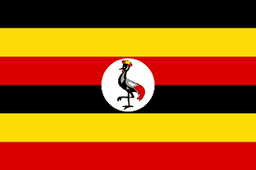
Trader mode: Actionable analysis for identifying opportunities and edge
99%
Top Probability
$249.63K
Volume
8
Markets
1
Platforms
About This Event
Presidential elections are scheduled to be held in Uganda on January 15, 2026. If no candidate secures more than 50% of the vote outright, a second round of elections will be scheduled.
This market will resolve to the candidate that wins this election. Otherwise, this market will resolve to "No".
This market includes any potential second round. If the result of this election isn't known by December 31, 2026, 11:59 PM ET, the market will resolve to "Other".
This market will resolve based on th
AI-generated analysis based on market data. Not financial advice.
Overview
The 2026 Ugandan presidential election is a scheduled national election to determine the country's head of state and government for the next five-year term. The election is constitutionally mandated to be held on January 15, 2026, as part of Uganda's regular electoral cycle. If no candidate secures an absolute majority of more than 50% of the valid votes cast, a second round runoff will be held between the top two contenders. This election represents a critical juncture in Ugandan politics, testing the durability of the current political establishment against a backdrop of demographic change, economic pressures, and evolving regional dynamics. The election will be administered by the Electoral Commission of Uganda, which oversees voter registration, candidate nomination, polling, and the tallying of results. The process is governed by the 1995 Constitution of Uganda, as amended, and the Parliamentary Elections Act. International observers, including from the African Union and the Commonwealth, are expected to monitor the proceedings. Interest in this election is exceptionally high both domestically and internationally due to Uganda's strategic importance in East Africa, its role in regional security, and questions surrounding political succession. The outcome will significantly influence Uganda's domestic policy direction, its international partnerships, and the broader political landscape of the Great Lakes region.
Historical Context
Uganda's modern presidential electoral history is deeply intertwined with the rule of Yoweri Museveni and the National Resistance Movement. After a five-year guerrilla war, Museveni's forces captured Kampala on January 26, 1986, establishing a 'no-party' system known as the Movement. The first direct presidential election under this system was held in 1996, which Museveni won decisively. A critical turning point came with the 2005 constitutional amendment, passed via referendum, which removed presidential term limits, allowing Museveni to run for a third term in 2006 and beyond. This move entrenched executive power and has been a central point of political contention ever since. The 2016 election was particularly notable for the unprecedented involvement of social media and the rise of a younger generation of voters dissatisfied with the status quo. The most recent election in January 2021 was marred by the government's shutdown of the internet for five days, a pre-election crackdown that resulted in over 50 deaths, and allegations of widespread irregularities from domestic and international observers. The opposition candidate, Bobi Wine, was placed under effective house arrest for days following the poll. The historical pattern shows an increasingly competitive electoral landscape, yet one where the incumbent maintains control over state institutions, the security apparatus, and the electoral process itself, leading to outcomes that are routinely challenged in court and on the streets.
Why It Matters
The 2026 election is a pivotal event for Uganda's future stability and development trajectory. Economically, the outcome will determine policy directions for a nation grappling with high public debt, youth unemployment estimated near 13%, and the management of recently discovered oil reserves slated for production. The election's credibility will directly affect investor confidence, international aid relationships, and the country's ability to attract financing for major infrastructure projects. Politically and socially, the election is a test of whether Uganda's political system can manage a potential generational transfer of power. Over 75% of the population is under the age of 30, creating a significant demographic divide between the youthful electorate and the aging political leadership. A disputed or violent election could trigger widespread unrest, exacerbate ethnic tensions, and lead to further democratic backsliding in a region where it is already under pressure. Conversely, a peaceful and credible process could reinforce constitutional norms. The result will also have significant regional implications, affecting Uganda's role in East African Community integration, its military involvement in Somalia and the Democratic Republic of Congo, and its stance toward great power competition in Africa.
Current Status
As of late 2024, the political landscape is in a preparatory phase. The Electoral Commission is conducting a nationwide update of the voter register. President Museveni, who will be 81 in 2026, has not formally declared his candidacy but is widely expected to seek another term, with the NRM party structure firmly under his control. The main opposition candidate, Bobi Wine of the NUP, is actively mobilizing support but operates under constant legal and security pressures. A significant development is the fragmentation within the traditional opposition, exemplified by Democratic Party leader Norbert Mao's entry into the government. Key issues shaping early discourse include the rising cost of living, governance of the nascent oil sector, and constitutional debates around age and term limits. International partners are closely watching the pre-electoral environment for signs of openness or repression.
Frequently Asked Questions
Who is likely to win the 2026 Uganda presidential election?
Based on the control of state resources, the incumbent party's organization, and historical precedent, President Yoweri Museveni is considered the favorite if he chooses to run. However, the opposition, particularly the National Unity Platform, poses a significant challenge, especially among urban and youth voters, making the election highly competitive and its outcome dependent on campaign dynamics and the conduct of the poll itself.
What is the voting system for Uganda's president?
Uganda uses a two-round system for presidential elections. To win in the first round, a candidate must secure more than 50% of the valid votes cast. If no candidate achieves this majority, a second round, or runoff, is held between the top two candidates from the first round. This system has never been triggered, as the incumbent has always secured a first-round victory in official results.
How old is Yoweri Museveni and can he run again?
Yoweri Museveni was born in 1944 and will be 81 years old at the time of the 2026 election. There is no upper age limit for presidential candidates in the Ugandan constitution. The removal of presidential term limits in 2005 legally allows him to run for re-election indefinitely, which he is expected to do.
Was this helpful?
Updated Jan 15, 2026
Educational content is AI-generated and sourced from Wikipedia. It should not be considered financial advice.
Discussion
Community Discussion
Share your predictions and analysis with other traders. Coming soon!