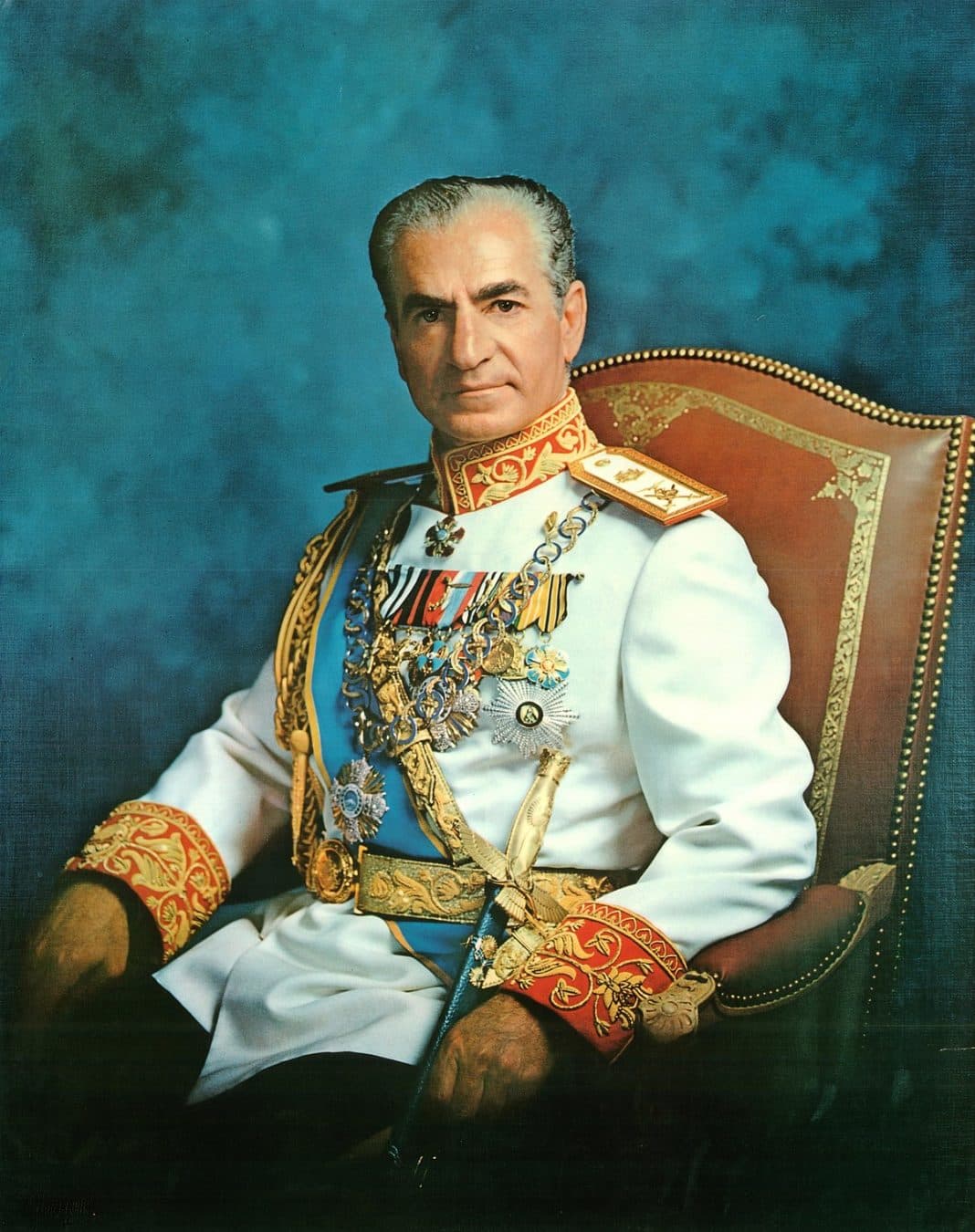
US recognizes Reza Pahlavi as leader of Iran in 2026?
$641.44K
1
1
US recognizes Reza Pahlavi as leader of Iran in 2026?
$641.44K
1
1
AI Analysis
Trader mode: Actionable analysis for identifying opportunities and edge
About This Event
This market will resolve to "Yes" if the Trump administration announces that the United States officially recognizes Reza Pahlavi as the "leader of Iran" by December 31, 2026, 11:59 ET. Otherwise, this market will resolve to "No". Roles that could qualify for "leader of Iran" status include, but are not limited to, "head of state," "prime minister," or other similar roles that give him primary executive authority in the territory of Iran. A qualifying US statement must be direct and unqualifie
This saved analysis is awaiting a background update. Its prices and claims may be outdated; compare them with the dated market data above.
Current Market Outlook
Polymarket prices a US recognition of Reza Pahlavi as Iran's leader by the end of 2026 at just 10%. That is a longshot bet. The market sees this outcome as unlikely but not impossible. For context, a 10% price means the implied probability is roughly the same as the chance of a major geopolitical surprise. Over $558,000 has been traded on this question, which is moderate volume for a niche political market.
Key Factors Driving the Odds
The low probability reflects a hard reality: Reza Pahlavi, the exiled son of the former Shah, has no organized power base inside Iran. He lives in the United States and has been a vocal critic of the Islamic Republic, but he lacks the grassroots support or military backing that would make him an obvious alternative leader.
The Trump administration has taken a hard line on Iran, but official recognition of an exiled figure would break with decades of US policy. The US typically deals with actual governments, not aspirants. Even during the 2009 Green Movement protests or the 2022 Mahsa Amini protests, Washington stopped short of naming a replacement leader. That precedent weighs heavily.
Iran's internal dynamics also matter. The regime controls the military, security services, and key economic levers. No US statement alone can change that. Recognition would be symbolic, not decisive. Traders are pricing in that the Trump team, despite its hawkish rhetoric, will prioritize nuclear negotiations or sanctions enforcement over anointing a successor.
What Could Change These Odds
The biggest catalyst would be a sudden collapse of the Islamic Republic. If mass protests or a coup topple the government in 2026, the US could move quickly to back Pahlavi as a transitional figure. That scenario is not priced in at 10%, but it is the most plausible path to a "Yes" resolution.
A direct Trump statement at a UN speech or press conference could also spike the odds temporarily. But without real events on the ground, such an announcement would likely fade. The market resolves on December 31, 2026, so there is time for a single dramatic event to flip the probability. But as of now, the smart money says no.
AI-generated analysis based on market data. Not financial advice.
Saved Jul 26, 2026 UTCThis saved content is awaiting a background update. It may contain outdated claims; use the dated market data and provider rules for the latest available information.
Overview
This prediction market asks whether the United States will officially recognize Reza Pahlavi, the son of the last Shah of Iran, as the leader of Iran by the end of 2026. The question is set against the backdrop of the Trump administration's potential second term and its stated policy of maximum pressure on Iran. Reza Pahlavi, who has lived in exile since the 1979 Iranian Revolution, has positioned himself as a figurehead for opposition groups seeking to replace the Islamic Republic. The market's resolution hinges on a direct and unqualified U.S. statement, such as naming him head of state or prime minister. The topic has gained attention due to ongoing protests in Iran, the regime's internal instability, and the Trump administration's history of aggressive rhetoric toward Tehran. The market's outcome would signal a major shift in U.S. foreign policy, moving from engagement or containment to active support for regime change. It would also test the viability of the Pahlavi brand and the exiled opposition's ability to unify Iran's fractured political landscape. The question is complicated by the fact that Reza Pahlavi lacks a clear political party or military wing inside Iran, and his support base among Iranians is uncertain. The market reflects a bet on whether the U.S. will take a dramatic step that could destabilize the region or accelerate the end of the Islamic Republic.
Historical Context
The Pahlavi dynasty ruled Iran from 1925 to 1979. Mohammad Reza Pahlavi, Reza's father, was installed by a U.S.-backed coup in 1953 that overthrew democratically elected Prime Minister Mohammad Mossadegh. The Shah's rule was marked by authoritarianism, Westernization, and secret police (SAVAK). The 1979 Islamic Revolution overthrew the Shah, and he died in exile in Egypt in 1980. The U.S. has not officially recognized any Iranian opposition leader as the legitimate head of state since the revolution. The U.S. and Iran have had no formal diplomatic relations since 1980, following the hostage crisis. The U.S. has pursued various policies toward Iran, including engagement under Obama, maximum pressure under Trump, and a mix of diplomacy and sanctions under Biden. The 2022 Mahsa Amini protests, sparked by the death of a woman in morality police custody, saw the largest anti-regime demonstrations since 2009. Reza Pahlavi emerged as a symbolic figure during these protests, with some protesters chanting his name and carrying his portrait. However, many protesters rejected both the monarchy and the Islamic Republic. The U.S. government under Biden did not officially endorse Pahlavi. In 2023, Pahlavi met with former Trump officials and gave interviews calling for a U.S. policy shift. The Trump administration's 2020 killing of Qasem Soleimani, a top Iranian general, was seen as a precursor to more direct confrontation. The question of recognizing Pahlavi as leader has been discussed in conservative think tanks like the Foundation for Defense of Democracies and the Hudson Institute. The market reflects a specific bet on whether the U.S. will cross a line from indirect support to formal recognition.
Why It Matters
Formal U.S. recognition of Reza Pahlavi as Iran's leader would be a dramatic break with decades of U.S. policy. It would signal that the U.S. is actively pursuing regime change, not just containment or negotiation. This could escalate tensions with Iran, potentially leading to military confrontation. It would also isolate the U.S. from European allies who prefer diplomacy. The move could embolden Iranian opposition groups but also risk a crackdown by the regime. For Iranians, recognition of Pahlavi could be seen as an external imposition, undermining his legitimacy. Conversely, it could provide a rallying point for those who want a secular, democratic alternative. The decision would have economic implications, including the potential for lifting sanctions on a new government or imposing new ones on the current regime. Oil markets, which are sensitive to Iran's stability, could react sharply. The move would also affect the U.S.'s relations with regional powers like Saudi Arabia, Israel, and Iraq. Israel has long advocated for regime change in Iran. Saudi Arabia has been more cautious, having recently normalized relations with Tehran. The outcome of this market could influence investment, migration, and political alignments across the Middle East. It matters because it tests the limits of U.S. power and the viability of exiled opposition movements.
Frequently Asked Questions
Who is Reza Pahlavi?
Reza Pahlavi is the son of Mohammad Reza Pahlavi, the last Shah of Iran. He was born in 1960 and has lived in the United States since 1984. He is the most prominent figure of the monarchist opposition to the Islamic Republic.
Has the U.S. ever recognized an Iranian opposition leader before?
No. Since the 1979 revolution, the U.S. has not officially recognized any individual or group as the legitimate leader of Iran. It has supported some opposition groups indirectly, but not with formal recognition.
What would happen if the U.S. recognized Pahlavi as Iran's leader?
It would likely escalate tensions with Iran, potentially leading to military confrontation. It could also embolden opposition groups inside Iran, but risk a crackdown. The U.S. would likely face criticism from allies who prefer diplomacy.
Does Reza Pahlavi have support inside Iran?
Support for a monarchy is a minority view. Polls show 15-20% of Iranians support a return to monarchy. However, Pahlavi has a symbolic presence among some protesters. His lack of a political organization inside Iran limits his influence.
AI-written background. References identify the evidence used; Wikipedia links under Learn More are additional reading. Prices and provider rules are dated snapshots. This is not financial advice.
Market Insights
Price gaps of 2 pp+
0
Saved price pairs
0
No exact saved pairs with both binary Yes prices are available.
Price differences do not establish arbitrage. Check each pair's review, current order prices, fees and settlement rules.