Idaho Senate winner?
$500.97K
2
6
Idaho Senate winner?
$500.97K
2
6
AI Analysis
Trader mode: Actionable analysis for identifying opportunities and edge
About This Event
In 2026 If a representative X party is sworn in as a Senator of Idaho for the term beginning in 2027, then the market resolves to Yes. This market is eligible for accelerated determination after a consensus of media organizations project the winner. See full rules for details. This market will close early following the swearing in of the Senator for the seat in question.
This saved analysis is awaiting a background update. Its prices and claims may be outdated; compare them with the dated market data above.
Current Market Outlook
The market is pricing a Republican win in Idaho's 2026 Senate race at 96%. That is not a prediction. It is a near-certainty. The implied probability means traders see a Democratic victory as a 1-in-25 event, roughly the same odds as rolling snake eyes.
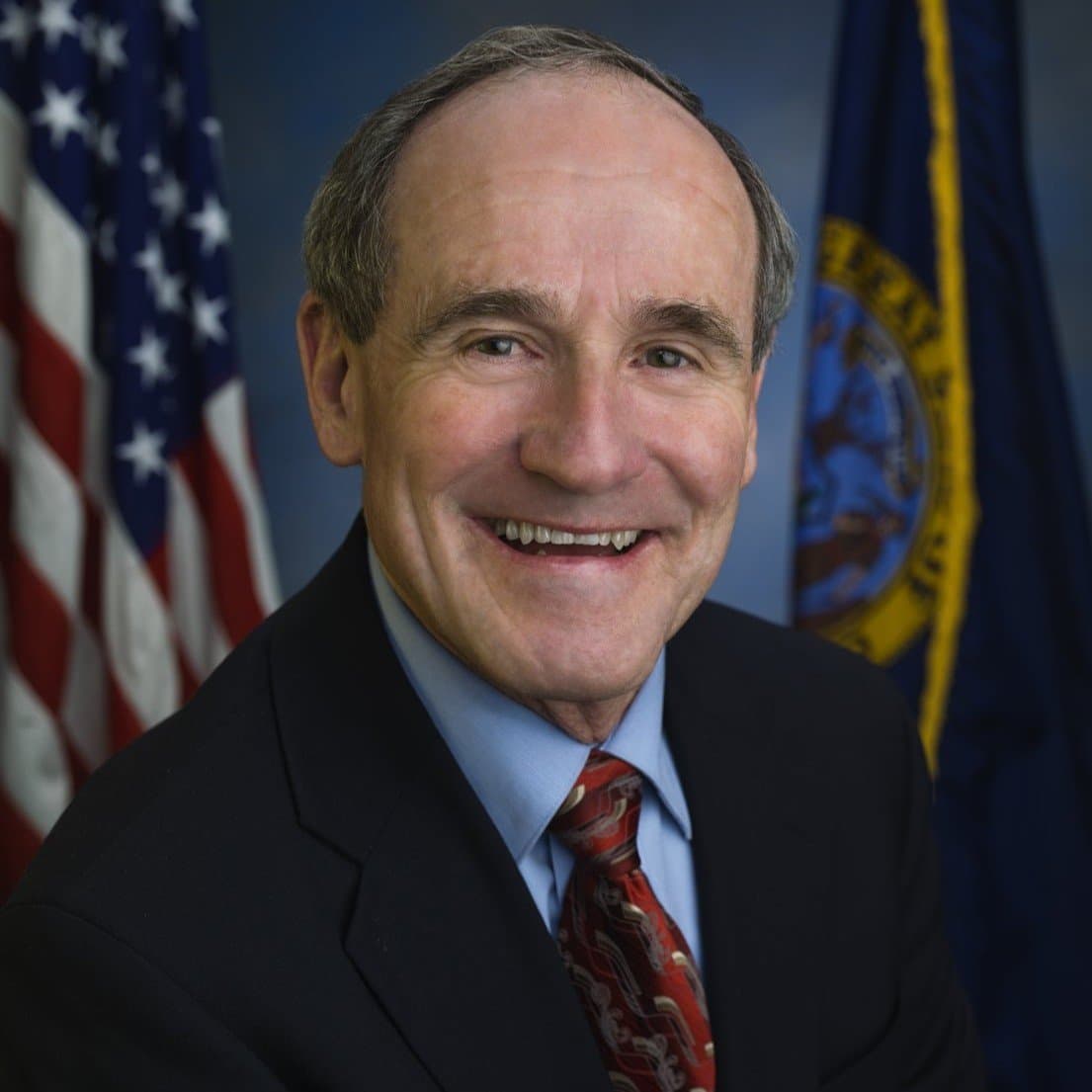
Idaho has not elected a Democrat to the Senate since Frank Church in 1974. The state has voted Republican by margins of 30 points or more in every presidential election since 2000. The current Republican senator, Jim Risch, is 81 years old and has not announced retirement plans. If he runs again, he will be heavily favored. If he retires, the open seat will still lean deeply red.
Key Factors Driving the Odds
The first factor is structural. Idaho's partisan lean is R+18 according to the Cook Partisan Voting Index. No Democratic Senate candidate has cleared 40% of the vote since 2008. The state's Republican primary will be the real contest, and any GOP nominee will enter the general election with an insurmountable advantage.
The second factor is candidate quality. Idaho Republicans have a deep bench of conservative figures, including Governor Brad Little and Congressman Russ Fulcher. Both would be formidable general election candidates. Democrats have no visible challenger and no statewide infrastructure after losing every statewide office.
What Could Change These Odds
A scandal involving the Republican nominee is the only plausible path to a competitive race. If the GOP candidate faces criminal charges or a major ethics violation, the 96% probability could slip to 80-85%. But even then, Idaho's partisan loyalty is so strong that a Democrat would need a perfect candidate and a national wave to get to 45%.
The 2026 election is still two years away. A Democratic recruit like former Congressman Walt Minnick, who won a House seat in 2008, could theoretically make the race interesting. But Minnick lost his 2010 reelection by 12 points. The market's pricing is rational. Idaho's Senate seat will stay Republican.
AI-generated analysis based on market data. Not financial advice.
Saved Jul 28, 2026 UTCThis saved content is awaiting a background update. It may contain outdated claims; use the dated market data and provider rules for the latest available information.
Overview
The Idaho Senate winner prediction market for 2026 focuses on who will be sworn in as a U.S. Senator from Idaho for the term beginning in January 2027. Idaho is a reliably Republican state in federal elections, with the GOP holding both Senate seats since 1999. The current senators are Mike Crapo (first elected in 1998) and Jim Risch (first elected in 2008). The 2026 election will determine the successor to one of these seats, depending on which senator's term expires. Crapo's term ends in 2028, while Risch's term ends in 2026. Risch, born in 1943, will be 83 years old in 2026, and he has not yet announced whether he will seek reelection. If he retires, the race will be an open seat, likely drawing a crowded Republican primary. The Democratic Party has not won a Senate race in Idaho since 1992, when Dirk Kempthorne was elected. The state's strong Republican lean means the primary election is the decisive contest, and the general election is a formality. Recent developments include potential challengers from the more conservative wing of the party, as Idaho has seen internal GOP divisions between establishment and libertarian-leaning factions. The market will close early upon the swearing-in of the winner, providing a clear resolution point. Interest in this market stems from the possibility of a changing of the guard in Idaho's Senate delegation, the influence of national political trends on a deep-red state, and the broader implications for Senate control in 2027.
Historical Context
Idaho has been a Republican stronghold in Senate elections since the 1990s. The last Democrat to win a Senate seat was Dirk Kempthorne in 1992, who later switched parties and became governor. Since then, Republicans have held both seats continuously. The state's conservative shift accelerated after 2000, with GOP candidates winning by margins of 20-40 percentage points in most Senate races. Jim Risch first won his seat in 2008 with 57.7% of the vote against Democrat Larry LaRocco. He was reelected in 2014 with 65.3% and in 2020 with 62.6%. The 2020 race saw Risch face Democrat Paulette Jordan, who raised over $3 million but still lost by 24 points. Idaho's primary system is semi-closed, meaning unaffiliated voters can choose which party primary to vote in. The state has a history of contested Republican primaries, including in 2014 when Risch faced a Tea Party challenger who took 27% of the vote. In 2022, the Idaho GOP convention saw a split between establishment and libertarian factions, with the latter gaining control of the party apparatus. This internal tension could make the 2026 primary more competitive if Risch retires. The last open Senate seat in Idaho was in 2008, when Risch won the race to succeed Larry Craig, who retired after a scandal. That primary drew four major Republican candidates, with Risch winning 37% of the vote.
Why It Matters
The Idaho Senate race in 2026 matters because Idaho's Senate seats have been held by the same two Republicans for over a decade, and a change in representation could shift the balance of power in the Senate. Currently, the Senate is closely divided between Democrats and Republicans, with each seat carrying significant weight for legislative agendas and judicial confirmations. If Risch retires, an open seat in a deep-red state could attract national attention and spending from both parties, though the general election outcome is not in doubt. The primary election will determine who represents Idaho in the Senate, and that candidate will likely hold the seat for many years. The race also reflects broader trends in the Republican Party, including the tension between establishment conservatives and more populist or libertarian factions. The outcome could signal whether Idaho's GOP remains aligned with the national party or moves further right. For Idahoans, the race affects federal funding for public lands, agriculture policy, and water rights, all of which are critical to the state's economy. The winner will also have a voice in Supreme Court nominations and federal regulatory policy.
Frequently Asked Questions
When is the 2026 Idaho Senate election?
The primary election is scheduled for May 2026, and the general election is on November 3, 2026. The winner will be sworn in for a six-year term starting January 3, 2027.
Is Jim Risch running for reelection in 2026?
As of early 2025, Jim Risch has not announced his plans. He has raised little campaign money and is 83 years old, leading many to expect he may retire. He has not made a formal decision public.
Who are the potential candidates for Idaho Senate in 2026?
If Risch retires, potential Republican candidates include Governor Brad Little, Attorney General Raúl Labrador, and possibly Lieutenant Governor Scott Bedke. On the Democratic side, no major candidates have emerged, but former state representative Paulette Jordan could run again.
How Republican is Idaho for Senate races?
Idaho is one of the most Republican states in the U.S. with a Cook PVI of R+18. No Democrat has won a Senate seat since 1992, and Republican candidates typically win by 20-30 percentage points in general elections.
What issues will dominate the 2026 Idaho Senate race?
Key issues include federal land management, water rights, agricultural policy, and the influence of the federal government. In the Republican primary, candidates may debate fiscal conservatism, immigration, and the role of the party's libertarian wing.
When will the prediction market resolve?
The market will resolve when the winner of the Idaho Senate seat is sworn in, which will occur on January 3, 2027, or shortly after the election if a special swearing-in happens. The market will close early upon that swearing-in.
AI-written background. References identify the evidence used; Wikipedia links under Learn More are additional reading. Prices and provider rules are dated snapshots. This is not financial advice.
Market Insights
Price gaps of 2 pp+
0
Saved price pairs
3
Largest saved gap: 1.6 percentage points.
Price differences do not establish arbitrage. Check each pair's review, current order prices, fees and settlement rules.