$59.94K
1
1

1 market tracked

No data available
| Market | Platform | Price |
|---|---|---|
![]() | Poly | 1% |
Trader mode: Actionable analysis for identifying opportunities and edge
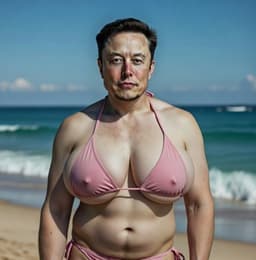
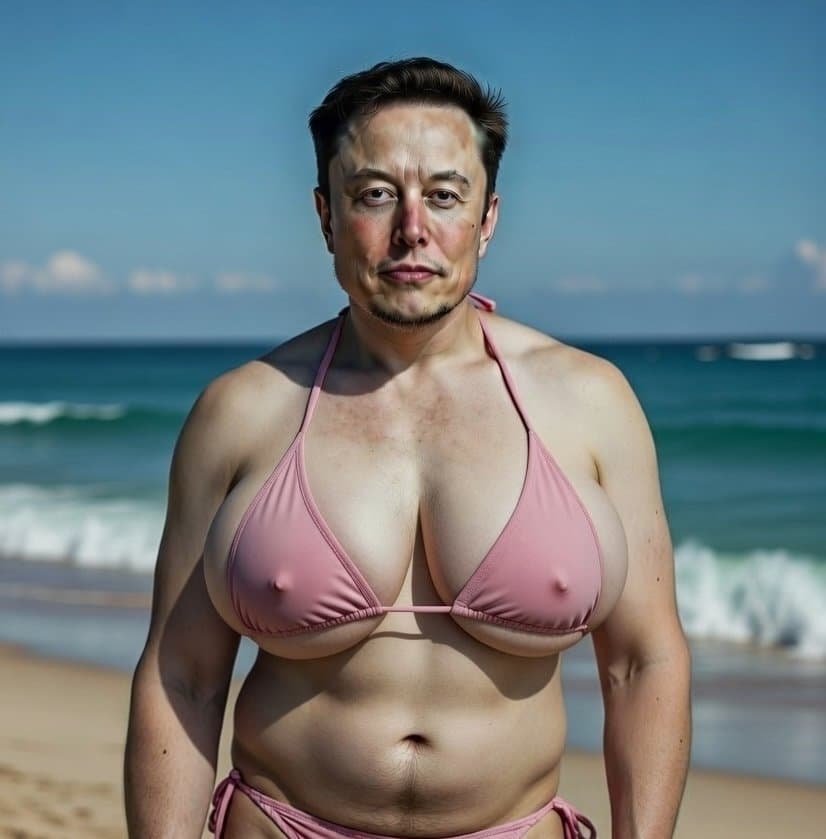
XAI’s Grok Chatbot put limitations on X-reply-prompted image generation in place for some users this week in response to users “digitally undressing” people (see: https://www.cnn.com/2026/01/09/business/grok-image-generation-undressing-deepfake). This market will resolve to “Yes” if it is confirmed that restrictions on Grok image generation through X posts and replies, including generation of images of users in a bikini, have been lifted for a majority of X users including users who are not pai
Prediction markets are pricing in an extremely low probability that X will lift its restrictions on Grok-generated bikini images by January 16. On Polymarket, the "Yes" share trades at just 1¢, implying a mere 1% chance of the event occurring. With the resolution date imminent or already past, this price indicates the market views a policy reversal as virtually certain not to happen within this tight timeframe. The thin trading volume of $59,000 suggests limited speculative interest, likely due to the perceived near-certainty of the outcome.
Two primary factors solidify the market's pessimistic outlook. First, the timing and severity of the original policy change are critical. X implemented restrictions on January 9, 2026, as a direct and rapid response to widespread reporting, including from CNN, about users exploiting Grok to create non-consensual "undressed" deepfake imagery. Reversing a policy enacted for serious ethical and legal reasons within a single week would represent a staggering and reputationally damaging about-face for the platform.
Second, the market accounts for the operational reality of content moderation. Rolling back such a specific guardrail would require not just a policy decision but technical redeployment. Given the intense public and regulatory scrutiny on AI-generated non-consensual intimate imagery, any swift relaxation would risk immediate further abuse and a significant public relations disaster, making a deliberate, rapid reversal highly irrational from a risk management perspective.
For this specific market, with its January 16 deadline, the odds are effectively locked. No plausible catalyst exists to trigger a last-minute, wholesale policy reversal. However, looking beyond this market's resolution, future odds on similar questions would be sensitive to official communications from X AI. A clear roadmap or technical blog post outlining updated safety protocols and a phased easing of restrictions could shift probabilities for a later date. Furthermore, a demonstrable and verifiable improvement in Grok's ability to block malicious prompt engineering without over-censoring could create a pathway for relaxed rules, but such developments would unfold over months, not days.
AI-generated analysis based on market data. Not financial advice.
$59.94K
1
1
This prediction market topic concerns the potential reversal of content moderation restrictions on X's Grok AI chatbot. Specifically, it asks whether X will restore the ability for a majority of its users to generate images, including those depicting people in bikinis, through prompts in posts and replies by January 16. The restrictions were implemented in early January 2026 after users exploited the AI's image generation capabilities to create non-consensual deepfake imagery, a practice colloquially termed 'digitally undressing' people. This incident highlighted the persistent challenges of moderating generative AI in real-time social environments. The market resolution depends on a confirmed policy reversal affecting both paying and non-paying users, making it a test of X's evolving stance on AI safety, user freedom, and platform liability under its current ownership. The topic sits at the intersection of AI ethics, platform governance, and predictive analysis of corporate policy shifts, attracting interest from technologists, policy analysts, and market speculators.
The controversy over AI-generated imagery on social media predates Grok. In 2023, the widespread availability of open-source models like Stable Diffusion led to a surge in non-consensual deepfake pornography, targeting primarily women and celebrities. This prompted legislative hearings in the U.S. Congress and the European Union's AI Act, which classified such misuse as a high-risk application. On X specifically, content moderation has followed a volatile path since Elon Musk's acquisition in October 2022. Musk dissolved the Trust and Safety council, reinstated thousands of banned accounts, and publicly championed minimal content intervention, labeling previous policies as 'censorship.' The integration of Grok in late 2025 represented a strategic move to differentiate X from competitors by embedding a provocative, real-time AI directly into the user experience. However, this integration occurred with fewer upfront safeguards than industry norms, reflecting Musk's stated skepticism of 'AI safetyism.' The rapid misuse of the image generator in January 2026 was therefore a foreseeable stress test of this philosophy, forcing a reactive moderation decision that contradicted the platform's recent rhetoric.
The outcome of this policy decision carries significant implications for the governance of generative AI on social platforms. A reversal of the restrictions could signal a major industry shift toward prioritizing unfettered user experimentation over preemptive safety measures, potentially encouraging other platforms to relax their own AI guardrails. This would have profound social consequences, likely increasing the volume and ease of creating harmful deepfake content, which disproportionately affects women and can cause severe psychological and reputational damage. Economically, the decision impacts X's viability. Maintaining strict restrictions could alienate its core user base and undermine its unique selling proposition, while lifting them could trigger advertiser withdrawals and heightened regulatory scrutiny, including potential fines under laws like the EU's Digital Services Act. The situation serves as a real-time case study in whether a major platform can sustainably host powerful, real-time generative AI without traditional moderation frameworks, with outcomes that will inform global policy debates for years.
As of the second week of January 2026, X, via its xAI division, has implemented technical restrictions that prevent most users from generating images through Grok based on prompts in X posts and replies. This is a direct response to confirmed reports of users creating 'undressed' deepfakes of individuals. The restrictions appear to be a server-side filter on prompt processing, not a model retraining. Access for X Premium+ subscribers may be partially limited but not entirely removed, creating a tiered system. There has been no official statement from Elon Musk or xAI on whether these restrictions are permanent or a temporary stopgap, fueling speculation and market activity. The platform is operating under these new constraints while likely evaluating technical fixes, user feedback, and external reactions.
Grok is a generative artificial intelligence chatbot developed by xAI and integrated directly into the X platform. It can engage in text-based conversations, answer questions, and, prior to January 2026, generate images from text prompts provided in posts and replies on X.
X restricted the feature after users quickly discovered they could craft prompts that led Grok to generate realistic, non-consensual intimate imagery, often called 'deepfakes.' This posed severe legal, ethical, and brand-safety risks for the platform.
It refers to the use of AI image-generation tools to create photorealistic fake images of a person without their clothes, without their consent. This is a form of image-based sexual abuse and can be a criminal act in many jurisdictions.
Confirmation would likely come from official communication by X or xAI, widespread user reports demonstrating the restored functionality, and verification by technology journalists or researchers testing the feature across different account types.
Initially, no. Reports indicated that paying X Premium+ subscribers faced fewer limitations, a common practice for testing features. The prediction market specifically resolves on a lift for a majority of all users, including non-paying ones.
X could face increased liability for hosting AI-generated non-consensual imagery, potentially violating laws on harassment and intimate image abuse. In the EU, it could trigger investigations and massive fines under the Digital Services Act for failing to mitigate systemic risks.
Educational content is AI-generated and sourced from Wikipedia. It should not be considered financial advice.
Share your predictions and analysis with other traders. Coming soon!

No related news found
Add this market to your website
<iframe src="https://predictpedia.com/embed/al09TV" width="400" height="160" frameborder="0" style="border-radius: 8px; max-width: 100%;" title="Bikinis back on X by January 16?"></iframe>