Who will Trump endorse?
$251.28K
1
1
Who will Trump endorse?
$251.28K
1
1
AI Analysis
Trader mode: Actionable analysis for identifying opportunities and edge
About This Event
This market will resolve according to the candidate Donald Trump announces that he will vote for or endorses for the listed election. If Donald Trump does not announce an endorsement by the day before the scheduled election at 11:59 PM ET, this market will resolve to "No". The resolution source for this market will be official information from Donald Trump or one of his representatives, or a consensus of credible reporting of Donald Trump's endorsement.
This saved analysis is awaiting a background update. Its prices and claims may be outdated; compare them with the dated market data above.
Current Market Outlook
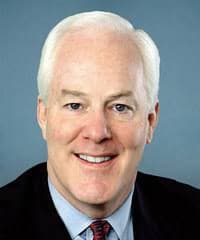
Prediction markets are pricing Trump endorsing John Cornyn for Texas Senate at just 1% by November 2, 2026. That's a near-certain "no" in market terms. A 1% probability means traders see this as a remote possibility that would require something dramatic to change the current trajectory.
The market has seen $230K in volume, which is moderate for a niche political market. For context, this is a speculative long-shot bet, not a heavily traded prediction.
Key Factors Driving the Odds
The core tension here is Trump's well-documented feud with Cornyn. In 2021, Trump called Cornyn a "RINO" and has never fully endorsed him. Cornyn voted to certify the 2020 election results and supported the bipartisan infrastructure bill, both actions Trump has publicly criticized.
Texas Senate primaries also have a history of Trump backing challengers against incumbents he dislikes. In 2022, Trump endorsed Mo Brooks in Alabama against Richard Shelby's pick. The pattern suggests Trump would rather primary Cornyn than endorse him.
Cornyn is currently the favorite to win the Republican nomination anyway, with or without Trump's backing. That makes an endorsement less strategically valuable to Trump. He gains more by staying neutral or backing a challenger.
What Could Change These Odds
The 1% price could move if Cornyn makes a public show of loyalty to Trump on a high-profile issue. A full-throated endorsement of Trump's 2024 campaign or a key policy fight could shift the dynamic.
The resolution date is November 4, 2026, but the endorsement deadline is November 2. That's two days before the general election. If Cornyn faces a serious primary challenge and Trump sees an opportunity to claim credit for his win, the calculus changes.
A Trump endorsement of Cornyn would be a major political signal. It would indicate Trump is prioritizing party unity over personal grievances, something he rarely does. The 1% price reflects that basic reality.
AI-generated analysis based on market data. Not financial advice.
Saved Jul 10, 2026 UTCThis saved content is awaiting a background update. It may contain outdated claims; use the dated market data and provider rules for the latest available information.
Overview
This prediction market asks who Donald Trump will endorse in a given election. Endorsements from Trump, a former president and the Republican Party’s dominant figure since 2016, carry significant weight in primary and general elections. His backing can shift donor support, media attention, and voter turnout, making the question of his choice a key variable in political races. The market resolves based on a public announcement from Trump or his representatives, or a consensus of credible reporting, by the day before the election at 11:59 PM ET. If no endorsement is made by then, the market resolves to 'No'. Trump’s endorsement record is mixed. In the 2022 midterm elections, he endorsed over 200 candidates across federal and state races. According to a FiveThirtyEight analysis, 93% of his endorsed candidates who advanced past the primary won their primaries, but only 44% won their general elections. This divergence reflects his strong influence within the Republican base but limited sway in competitive general elections, especially in swing districts. His endorsements in 2024 have been similarly high-profile, including for Senate races in Ohio, Montana, and Pennsylvania. The timing and nature of Trump’s endorsements are unpredictable. He often waits until late in a race, sometimes after multiple candidates have courted him publicly. His endorsements can come via social media posts, rally speeches, or written statements. The market’s resolution criteria require a clear, public declaration, which can be ambiguous if Trump makes conditional or vague statements. Interest in this market spikes during primary seasons and ahead of general elections, as traders try to predict which candidate will get his backing and how that will affect the race. The broader context includes Trump’s legal challenges and potential 2024 presidential campaign. His endorsements are seen as a way to maintain political influence and test his ability to shape the party’s direction. For traders, the market offers a way to bet on political dynamics beyond polls and fundraising. It also reflects a growing trend of using prediction markets to forecast political events, with platforms like PredictIt and Polymarket hosting similar contracts.
Historical Context
Trump’s endorsement power grew after the 2016 election. In 2018, he endorsed 51 candidates in primaries, with a 95% win rate, according to Ballotpedia. This success established him as the party’s kingmaker. By 2020, his endorsements were sought by incumbents and challengers alike, though some, like his backing of Senator Lindsey Graham, were safe bets. The 2022 midterms tested this influence. Trump endorsed candidates who echoed his false claims about the 2020 election, such as Kari Lake in Arizona and Doug Mastriano in Pennsylvania. Both lost general elections, leading to criticism that his picks hurt the party. A Pew Research Center study found that 63% of Republican voters said Trump’s endorsements were important to their vote, but independents were less swayed. This split explained why many of his endorsed candidates won primaries but lost general elections. In 2024, Trump’s endorsements have been more selective. He has focused on Senate races where he can unseat incumbents he dislikes, like Lisa Murkowski in Alaska, or back allies like Tim Sheehy in Montana. His endorsements also reflect his ongoing legal battles, with some candidates pledging to investigate his prosecutors. This historical pattern shows that Trump’s endorsements are less about party unity and more about personal loyalty and political revenge.
Why It Matters
The outcome of this market affects campaign strategies, donor allocations, and media coverage. A Trump endorsement can flood a candidate with small-dollar donations, as seen when he endorsed J.D. Vance in Ohio’s 2022 Senate primary, helping Vance raise $1.2 million in 24 hours. Conversely, a lack of endorsement can leave a candidate struggling for attention. For the Republican Party, Trump’s choice signals which faction he favors, potentially deepening internal divisions between the establishment and the populist wing. Beyond the immediate race, this market matters for understanding Trump’s future role. If he endorses a winner, it reinforces his influence. If he backs a loser, it weakens his brand. For traders, the market is a microcosm of political forecasting, with prices reflecting real-time assessments of Trump’s behavior. The broader public watches these markets as leading indicators of political trends, similar to how stock markets reflect economic sentiment.
Frequently Asked Questions
How does Trump typically announce his endorsements?
Trump announces endorsements through his Truth Social platform, at rallies, or via written statements from his political action committee, Save America. He often makes announcements in the final weeks before a primary or general election.
Does Trump ever endorse Democrats?
Rarely. Trump has endorsed a few Democrats who aligned with him, such as Representative Henry Cuellar of Texas in 2022, who is anti-abortion. But these are exceptions; nearly all his endorsements are for Republicans.
Can a Trump endorsement hurt a candidate?
Yes. In general elections, Trump’s endorsement can alienate moderate and independent voters. In 2022, candidates like Joe O’Dea in Colorado publicly rejected Trump’s endorsement to avoid this. His backing can also attract opposition from Democrats.
What happens if Trump endorses multiple candidates in the same race?
Trump rarely endorses multiple candidates in the same race, as it would dilute his influence. If he does, the market might consider it ambiguous. The resolution criteria require a clear endorsement, so conflicting statements could lead to a 'No' resolution.
How reliable are prediction markets for Trump endorsements?
Prediction markets have been fairly accurate for Trump endorsements, with prices often correlating with insider reports. However, they can be volatile, especially if Trump makes unexpected statements. The market’s accuracy depends on the clarity of the resolution criteria.
What is the deadline for Trump to endorse in this market?
The market resolves based on an endorsement made by the day before the scheduled election at 11:59 PM ET. If no endorsement is made by then, the market resolves to 'No'.
AI-written background. References identify the evidence used; Wikipedia links under Learn More are additional reading. Prices and provider rules are dated snapshots. This is not financial advice.