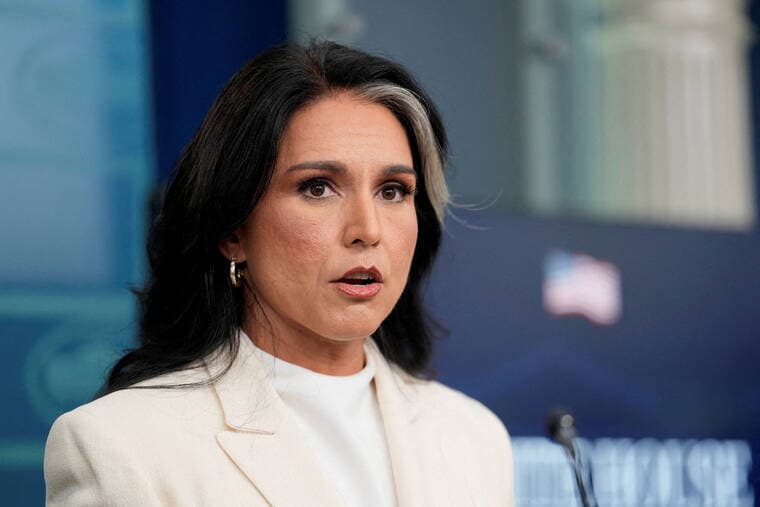
Will the 2028 Republican Presidential nominee be a woman?
$4.09K
1
1
Will the 2028 Republican Presidential nominee be a woman?
$4.09K
1
1
AI Analysis
Trader mode: Actionable analysis for identifying opportunities and edge
About This Event
This market will resolve to “Yes” if the individual that wins and accepts the 2028 nomination of the Republican Party for U.S. president is a woman. Otherwise, this market will resolve to “No”. The resolution source for this market will be a consensus of official Republican Party sources. Any replacement of the Republican nominee before election day will not change the resolution of the market.
This saved analysis is awaiting a background update. Its prices and claims may be outdated; compare them with the dated market data above.
Current Market Outlook
Polymarket traders put the odds of a woman winning the 2028 Republican presidential nomination at just 14%. That's a roughly 1-in-7 chance, which the market sees as possible but unlikely. The thin volume, only $1,000 traded, means this price is more of a rough consensus than a deeply informed bet. Still, with the nomination contest roughly two years out, 14% reflects a genuine belief that the GOP's current trajectory doesn't favor a female standard-bearer.
Key Factors Driving the Odds
The Republican field shaping up for 2028 is crowded with men. Early speculation centers on figures like JD Vance, Ron DeSantis, and Glenn Youngkin, all of whom have established national profiles. No woman currently holds a comparable position in GOP politics. Nikki Haley remains the most prominent female Republican with presidential experience, but her 2024 campaign ended in defeat, and her relationship with the party's base remains strained after challenging Donald Trump.
Historical patterns also weigh on this market. The GOP has never nominated a woman for president. Republican primary voters have consistently favored candidates who emphasize traditional gender roles, and the party's evangelical wing has shown resistance to female leadership at the top of the ticket. A 2023 Pew Research survey found that Republican women themselves are split on whether the country is ready for a female president, with only about half saying yes.
What Could Change These Odds
The 14% price could move sharply if a credible female candidate enters the race with strong fundraising and polling numbers. Haley could rebuild her coalition, or a governor like Sarah Huckabee Sanders or Kristi Noem could emerge as a consensus choice. The market will also react to how the Trump wing of the party positions itself. If Trump endorses a woman, that would immediately shift the odds upward.
The biggest catalyst comes in early 2027, when candidates formally announce and the first primary debates take shape. A strong showing by any woman in Iowa or New Hampshire would force a repricing. Conversely, if the field solidifies around two or three male candidates by mid-2027, the current 14% might look generous.
Cross-Platform Analysis
This market trades exclusively on Polymarket, so no cross-platform comparison is available. The low volume suggests limited interest, which itself is telling. If traders genuinely believed a female nominee was plausible, more money would be on the table. The 14% price is a starting point, not a settled verdict, and it could move fast once the 2028 race takes concrete shape.
AI-generated analysis based on market data. Not financial advice.
Saved Aug 11, 2026 UTCThis saved content is awaiting a background update. It may contain outdated claims; use the dated market data and provider rules for the latest available information.
Overview
The 2028 Republican presidential nomination is a topic of intense speculation, and one question has captured particular attention: will the eventual nominee be a woman? This market will resolve to 'Yes' if the individual who wins and accepts the Republican Party's 2028 nomination for U.S. president is a woman, based on a consensus of official Republican Party sources. It will resolve to 'No' if the nominee is a man or if the nomination is replaced before the election. The question reflects broader discussions about gender and political leadership, especially within a party that has never nominated a woman for president. As of now, no woman has ever been the Republican presidential nominee, and only one woman, Hillary Clinton, has been a major party's nominee for president, representing the Democrats in 2016. The 2028 race is wide open, with no incumbent Republican president seeking re-election, and potential female candidates are already being discussed. The outcome of this market will hinge on the dynamics of the Republican primary, the candidates who enter the race, and the preferences of Republican voters. The interest in this topic is high because it touches on issues of representation, electoral strategy, and the evolving identity of the Republican Party. Recent developments include the emergence of several prominent Republican women as potential candidates, such as former South Carolina Governor Nikki Haley, who ran in 2024, and other figures like Senator Joni Ernst and Governor Kristi Noem. The market also reflects broader societal debates about gender bias in politics and whether the Republican Party is ready to break this glass ceiling. Observers are watching to see if the party's base, which has shown strong support for male candidates in recent cycles, will embrace a female standard-bearer. The answer will also depend on the political climate in 2028, including the state of the economy, foreign policy challenges, and the legacy of the current administration. This market is not just a prediction; it is a lens into the future of American political leadership and the Republican Party's direction.
Historical Context
The Republican Party has never nominated a woman for president. The closest attempts include Elizabeth Dole's brief presidential campaign in 2000, which ended before the primaries due to poor fundraising, and Michele Bachmann's 2012 campaign, which won the Iowa Straw Poll but fizzled after a poor showing in the Iowa Caucus. In 2024, Nikki Haley became the first woman to win a Republican primary contest (in Vermont and the District of Columbia), but she failed to secure the nomination, which went to Donald Trump. The only woman to be a major party's presidential nominee is Hillary Clinton, who won the Democratic nomination in 2016 but lost the Electoral College. Historically, women have been more successful in vice presidential roles: Geraldine Ferraro (Democrat, 1984) and Sarah Palin (Republican, 2008) were both vice presidential nominees. The 2028 race is unique because there is no incumbent Republican president, and the field is open. The Republican Party's base has shown strong support for male candidates, but recent elections have seen a gender gap, with women voters favoring Democrats. The question of a female Republican nominee is not just about candidacy but about the party's ability to appeal to a broader electorate. The historical precedent suggests that breaking this barrier would be significant, but it is not clear whether the party is ready for it. The 2028 election will be the first time since 2008 that no incumbent president or former president is the clear frontrunner, creating an opportunity for new candidates, including women.
Why It Matters
The outcome of this market has implications beyond the identity of one candidate. If a woman is nominated, it would signal a shift in the Republican Party's approach to gender and representation, potentially attracting female voters who have leaned Democratic in recent elections. It could also affect the general election dynamics, as a female nominee might change the conversation about issues like abortion and family policy. Conversely, a 'No' outcome would reinforce the perception that the GOP remains resistant to female leadership at the highest level, which could have long-term consequences for the party's electoral viability. The market also reflects broader societal questions about gender bias in politics. Research has shown that women candidates often face different scrutiny and must navigate double standards, and a Republican woman would face unique challenges from both the left and the right. The decision could influence fundraising, media coverage, and voter turnout. For the Republican Party, nominating a woman could be a strategic move to counter the Democratic Party's advantage among women voters, who have voted for Democratic presidential candidates by a double-digit margin in recent elections. On the other hand, some conservative voters may prioritize other attributes over gender, and the primary process will test whether a female candidate can win over the party's base. The market's resolution will be a data point in the ongoing discussion about women in politics, and it will be watched by political analysts, campaign strategists, and voters alike.
Frequently Asked Questions
Has a woman ever been the Republican presidential nominee?
No, the Republican Party has never nominated a woman for president. The closest was Nikki Haley in 2024, who won two primaries but lost the nomination to Donald Trump.
Who are the potential female Republican candidates for 2028?
Potential candidates include Nikki Haley, Kristi Noem, Elise Stefanik, and possibly Tulsi Gabbard. Others could emerge from the ranks of governors, senators, and business leaders.
What are the odds of a woman being the Republican nominee in 2028?
Prediction markets like PredictIt and Polymarket currently show varying odds, but they are generally low, often below 20%, reflecting the challenges female candidates face in the GOP primary.
AI-written background. References identify the evidence used; Wikipedia links under Learn More are additional reading. Prices and provider rules are dated snapshots. This is not financial advice.
Market Insights
Price gaps of 2 pp+
0
Saved price pairs
0
No exact saved pairs with both binary Yes prices are available.
Price differences do not establish arbitrage. Check each pair's review, current order prices, fees and settlement rules.