$587.23K
1
4

$587.23K
1
4
Trader mode: Actionable analysis for identifying opportunities and edge
This market will resolve to “Yes” if IMF Portwatch publishes a daily number of transit calls (“Arrivals of Ships”) for the Strait of Hormuz (chokepoint 6) equal to or above __ for any date between market creation and March 31, 2026. Otherwise, this market will resolve to “No”. The number of daily transit calls/arrivals includes container, dry bulk, roll-on/roll-off, general cargo, and tanker ships. Ships not reported by IMF Portwatch will not be considered. This market will resolve as soon as
AI-generated analysis based on market data. Not financial advice.
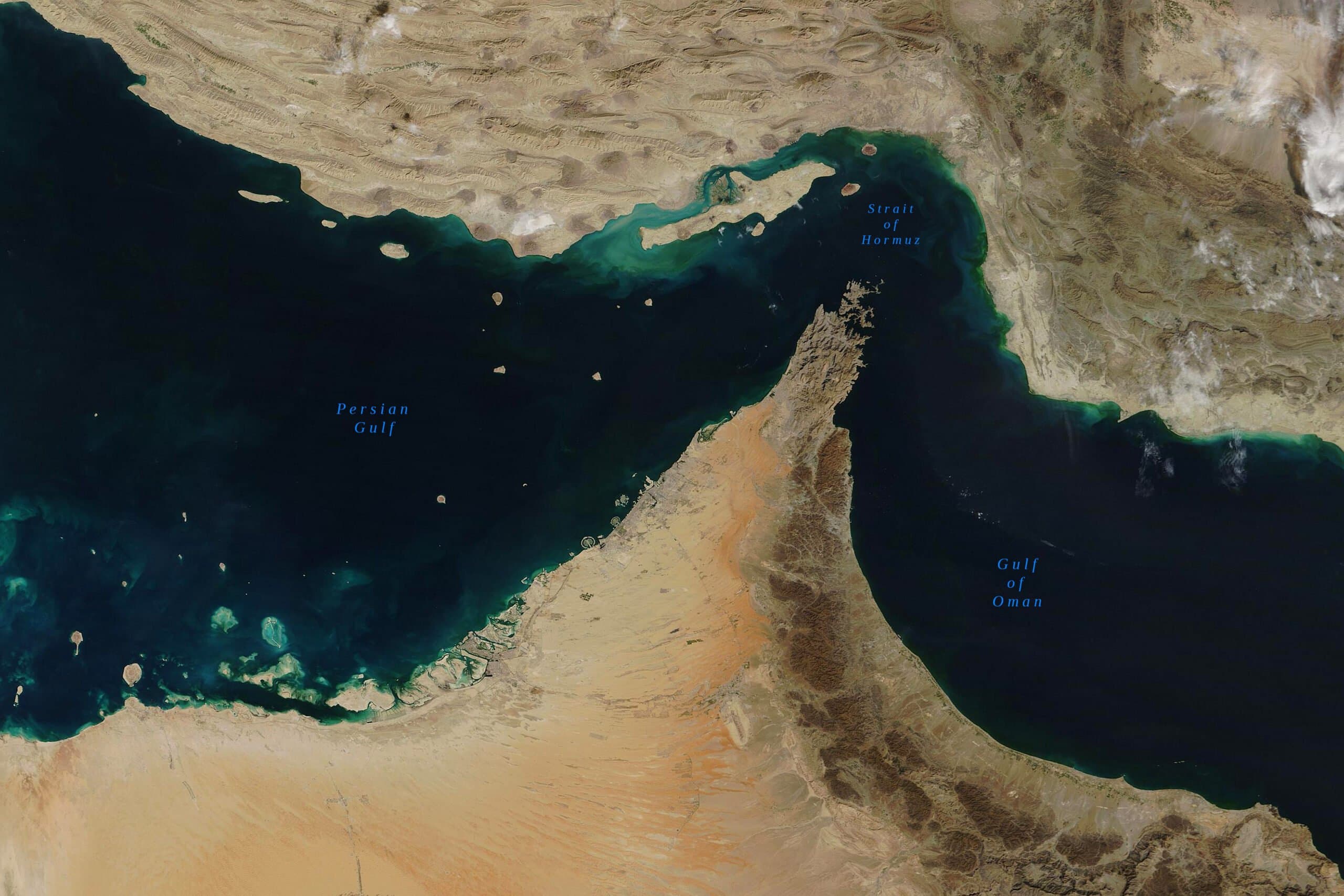
This prediction market tracks whether a specified number of ships will transit the Strait of Hormuz on any single day in March, using data from the International Monetary Fund's Portwatch platform. The market resolves based on whether the daily 'Arrivals of Ships' figure for the Strait of Hormuz (designated as chokepoint 6) meets or exceeds a predetermined threshold on any date before March 31, 2026. The count includes container ships, dry bulk carriers, roll-on/roll-off vessels, general cargo ships, and tankers. Only vessels reported by IMF Portwatch are considered. The Strait of Hormuz is the world's most important oil transit chokepoint, connecting the Persian Gulf with the Gulf of Oman and the Arabian Sea. Approximately one-fifth of global oil consumption passes through this narrow waterway, making daily transit volumes a critical indicator of global energy supply stability. Interest in this market stems from its function as a real-time barometer of geopolitical risk and trade flow continuity in a region prone to tensions. Disruptions in the strait can immediately impact global oil prices and shipping insurance costs. The IMF's Portwatch system provides a neutral, data-driven source for monitoring this activity, offering a factual basis for assessing maritime traffic amid regional uncertainties involving Iran, the United States, and Gulf Arab states.
The strategic importance of the Strait of Hormuz has been recognized for centuries, but its modern significance is tied to the rise of the Middle East as the world's central oil-producing region. In the 1980s, the strait became a warzone during the Iran-Iraq 'Tanker War,' where both sides attacked commercial shipping. This conflict led to the U.S. reflagging and escorting of Kuwaiti tankers under Operation Earnest Will in 1987-88. More recently, a series of incidents since 2019 have defined the current risk environment. In June 2019, Iran shot down a U.S. Navy RQ-4A Global Hawk drone over the strait. Later that summer, Iran seized the British-flagged tanker Stena Impero. These events prompted the U.S. to form the International Maritime Security Construct, a coalition to enhance surveillance and security. A precedent for market resolution occurred in January 2021, when Iran seized the South Korean-flagged tanker Hankuk Chemi, causing a temporary dip in transit traffic as other vessels assessed the threat. Historical patterns show that while Iran has often threatened closure, it has never completely blocked the strait, as doing so would also halt its own exports. Instead, the historical playbook involves calibrated harassment and seizures to exert pressure without triggering a full-scale military response.
Daily transit numbers through the Strait of Hormuz are a direct proxy for the stability of global energy supplies. A sustained drop in traffic signals elevated risk that can add a 'geopolitical premium' to global oil prices, increasing costs for consumers and industries worldwide. For oil-importing nations, especially in Asia, volatility in the strait threatens energy security and economic planning. The stakes extend beyond economics to international law and norms. Consistent transit affirms the principle of freedom of navigation in international straits, a cornerstone of the United Nations Convention on the Law of the Sea. A significant decline in traffic could signal that this principle is being eroded by regional coercion, setting a dangerous precedent for other global chokepoints like the Strait of Malacca or the Bab el-Mandeb. For shipping companies and insurers, each transit is a multimillion-dollar risk calculation, where decisions are reflected in the daily count. A 'No' resolution in this market, indicating traffic fell below a critical threshold, would immediately trigger reassessments of insurance rates, war risk premiums, and potentially reroute shipments around Africa, adding weeks to voyage times and increasing emissions.
As of early 2025, transit traffic through the Strait of Hormuz remains at consistent levels, with IMF Portwatch data showing daily arrivals typically within historical norms. However, the underlying security environment is tense. Iran continues to advance its nuclear program, and diplomatic efforts to revive the JCPOA nuclear deal are stalled. The U.S. maintains a robust naval presence, but attention is divided by conflicts in Ukraine and elsewhere. Regional dynamics are shifting with a Chinese-brokered détente between Iran and Saudi Arabia, which may reduce proxy conflicts but has not eliminated the direct threat to shipping. The latest development is the increased use of Iranian drone and missile attacks on commercial vessels linked to Israel, a tactic that began in late 2023 and creates a new layer of risk for ship operators deciding whether to transit.
IMF Portwatch is a platform that uses satellite-based Automatic Identification System (AIS) data to monitor global maritime trade and port activity. It algorithmically identifies and counts vessel 'arrivals' at defined chokepoints like the Strait of Hormuz, providing a standardized, neutral data source free from individual corporate or government reporting biases.
No, the Strait of Hormuz has never been completely shut to commercial traffic in the modern era. During the peak of the Iran-Iraq Tanker War in the 1980s, traffic was severely disrupted by attacks, but transit continued. Iran has threatened closure but relies on the strait for its own exports, making a full blockade against its own interests.
A significant drop in daily transit traffic typically causes an immediate increase in global oil prices due to fears of supply disruption. This 'geopolitical risk premium' can add $5 to $15 or more per barrel, depending on the severity and perceived duration of the disruption, affecting gasoline prices worldwide.
Saudi Arabia, Iraq, the United Arab Emirates, Kuwait, and Iran are the largest exporters using the strait. Qatar exports almost all its liquefied natural gas (LNG) through it. These countries collectively ship over 20 million barrels of oil per day through this chokepoint.
Educational content is AI-generated and sourced from Wikipedia. It should not be considered financial advice.
4 markets tracked

No data available
| Market | Platform | Price |
|---|---|---|
![]() | Poly | 6% |
![]() | Poly | 3% |
![]() | Poly | 2% |
![]() | Poly | 1% |


No related news found
Add this market to your website
<iframe src="https://predictpedia.com/embed/ehIpk-" width="400" height="160" frameborder="0" style="border-radius: 8px; max-width: 100%;" title="Will __ ships transit the Strait of Hormuz on any day in March?"></iframe>