Which candidates will advance to Brazil's presidential runoff?
$434.52K
1
9
Which candidates will advance to Brazil's presidential runoff?
$434.52K
1
9
AI Analysis
Trader mode: Actionable analysis for identifying opportunities and edge
About This Event
General elections are scheduled to take place in Brazil on October 4, 2026. If no candidate wins outright in the first round, the top two candidates proceed to a runoff. This market will resolve to "Yes" if the listed candidate advances to Brazil's presidential runoff election or otherwise wins outright in the first round. Otherwise, this market will resolve to "No". If the president is decided in the first round of the election but the listed candidate is not the winner or the result of this
Current Market Outlook
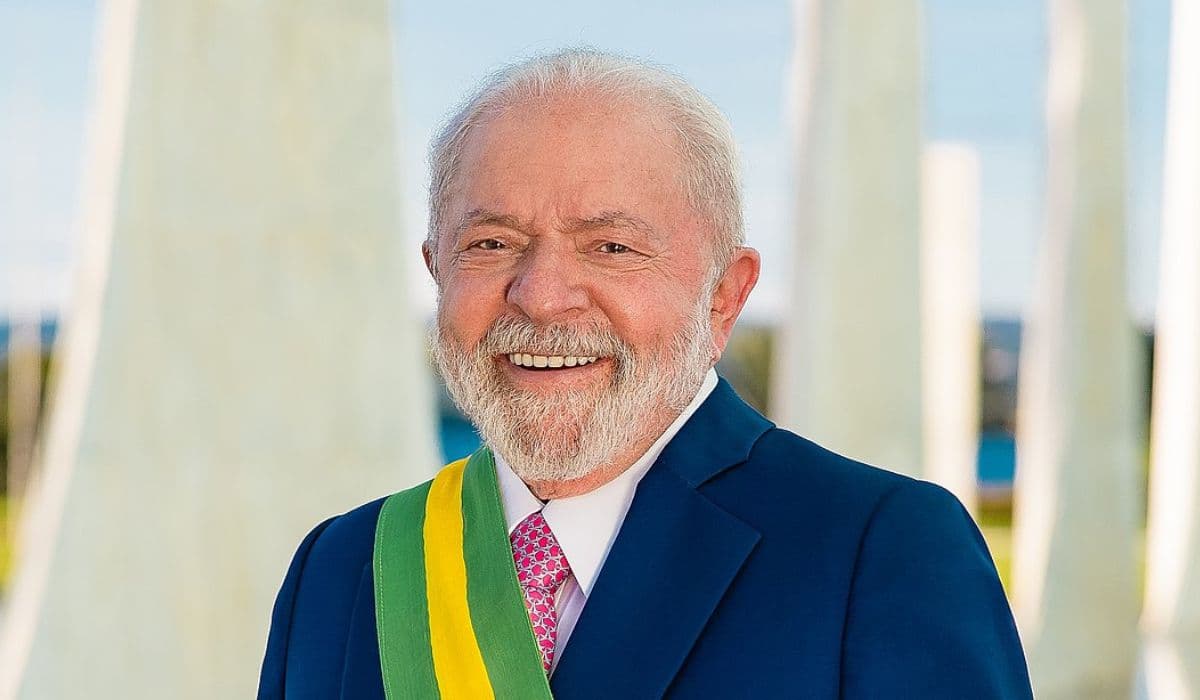
Polymarket gives Lula a 96% chance of advancing to Brazil's presidential runoff. That is essentially priced as a near-certainty. The market sees Lula as almost guaranteed to finish in the top two, whether he wins outright in the first round or forces a second round.
The other eight markets in this series show wide spreads. No other candidate breaks 40%. The implied probability for a second-place finisher is highly fragmented, which tells you the market is more confident about who will not be in the runoff than who will.
Key Factors Driving the Odds
Lula is the incumbent president running for reelection. In Brazil, incumbents have a structural advantage. Lula won the 2022 runoff with 50.9% of the vote, defeating Jair Bolsonaro. His approval ratings have dipped since then, but he still leads early polls for 2026.
The main challenger field is crowded. The Brazilian center-right has not consolidated behind a single candidate. Figures like Tarcísio de Freitas (São Paulo governor), Romeu Zema (Minas Gerais governor), and Michelle Bolsonaro (Bolsonaro's wife) are all potential candidates but none has emerged as the clear alternative. A fragmented opposition makes it easier for Lula to either win outright or cruise into the runoff.
Brazilian election law requires an absolute majority for a first-round win. If no candidate gets over 50%, the top two go to a runoff. Lula's current polling sits in the high 30s to low 40s, meaning a runoff is the most likely path. But the market is pricing him to be in that runoff at 96%, which matches the historical pattern: every Brazilian incumbent running for reelection since 1998 has made the runoff.
What Could Change These Odds
A major scandal could drop Lula's support below 30%. He has faced corruption investigations before, and his approval is soft among younger voters. If the economy deteriorates sharply in 2026, his reelection chances could weaken, but the question is whether he would still finish second.
The real uncertainty is whether the opposition consolidates. If the center-right unites behind one candidate by mid-2026, that candidate could push Lula into a tighter race. But even then, Lula is likely to finish in the top two. The 4% chance the market assigns to him missing the runoff is essentially a tail risk where a third-party candidate surges and Lula collapses simultaneously. That is unlikely, but not impossible.
AI-generated analysis based on market data. Not financial advice.
Overview
Brazil's presidential elections use a two-round system. General elections for president, state governors, and legislators are scheduled for October 4, 2026. If no candidate receives more than 50% of valid votes (excluding blank and null ballots) in the first round, the top two candidates advance to a runoff, typically held on the last Sunday of October. This runoff system was introduced in 1988 and has been used in every election since the return to democracy. The 2026 election is the first since Jair Bolsonaro's defeat in 2022 and the subsequent political realignment. Luiz Inácio Lula da Silva, the current president, is constitutionally barred from seeking a third consecutive term, leaving the field open. The Workers' Party (PT) is expected to field a candidate from its coalition, while the Liberal Party (PL) and other right-wing parties are organizing around potential successors to Bolsonaro, who remains politically active despite being ineligible to run until 2030 due to a court conviction for abuse of power. The election will determine Brazil's direction on economic policy, environmental regulation, and social programs. Voter interest is high due to the polarized climate and the absence of an incumbent candidate. Polling data from 2025 shows multiple candidates with single-digit support, making the runoff composition uncertain. Prediction markets are focused on which candidates will survive the first round, as the top two spots are contested by at least five serious contenders.
Historical Context
Brazil's two-round presidential system was established by the 1988 Constitution. The first runoff occurred in 1989, when Fernando Collor de Mello defeated Luiz Inácio Lula da Silva. Since then, every election has gone to a second round except 1994 (Fernando Henrique Cardoso won outright), 1998 (Cardoso re-elected), and 2014 (Dilma Rousseff won by a narrow margin in the first round). The 2022 election was the most polarized since 1989, with Lula winning 48.4% in the first round and 50.9% in the runoff against Bolsonaro's 49.1%. The 2018 election saw Bolsonaro win 46% in the first round and 55% in the runoff against Fernando Haddad. The pattern shows that no candidate has won outright in the first round since 1998, indicating that runoffs are the norm. The 2026 election will be the first since 1998 without an incumbent on the ballot, as Lula cannot run again. This opens the field for new candidates. The last time an open presidential race occurred was 2018, when Bolsonaro emerged from a fragmented field. Historical data shows that candidates from the two largest parties (PT and PSDB historically, now PT and PL) have dominated the runoff, but third-party candidates like Ciro Gomes and Marina Silva have occasionally polled in double digits, though they have never made the runoff.
Why It Matters
The composition of Brazil's presidential runoff will shape policy on the Amazon rainforest, which is a global climate priority. Brazil is home to 60% of the Amazon, and deforestation rates have fluctuated dramatically between administrations: under Bolsonaro (2019-2022), annual deforestation increased by 60% compared to the previous decade; under Lula (2023-2025), it fell by 33% in 2023. The next president's environmental policy will affect global carbon emissions and biodiversity. Economically, Brazil is the 9th largest economy by GDP and a major exporter of soy, beef, iron ore, and oil. Fiscal policy decisions, including the sustainability of social programs like Bolsa Família and the pension system, affect 214 million Brazilians. The election also determines Brazil's foreign policy stance on issues like trade with China (Brazil's largest trading partner) and relations with the US and Europe. Socially, the election reflects deep polarization: in 2022, the runoff was decided by 2.1 million votes out of 156 million cast. The outcome influences judicial independence, press freedom, and the direction of criminal justice reform. For investors, the identity of the runoff candidates signals the likely direction of economic policy, from fiscal austerity to state intervention.
Current Status
As of mid-2025, no candidate has formally declared for the 2026 election, but several are positioning themselves. President Lula has not endorsed a successor, but Vice President Geraldo Alckmin and Finance Minister Fernando Haddad are seen as potential PT-backed candidates. On the right, Governor Tarcísio de Freitas of São Paulo leads early polls, followed by former first lady Michelle Bolsonaro, who has hinted at a possible run. The Superior Electoral Court's ruling against Bolsonaro remains in effect, but his allies are exploring legal challenges. Polls from Quaest and Datafolha in early 2025 show a fragmented field: Freitas at 22%, Alckmin at 18%, Haddad at 15%, and Ciro Gomes at 10%. The high number of undecided voters (around 25%) and the potential for late-breaking candidates make the runoff composition highly uncertain. The election date is set for October 4, 2026, with a runoff on October 25 if needed.
Frequently Asked Questions
Can Jair Bolsonaro run for president in 2026?
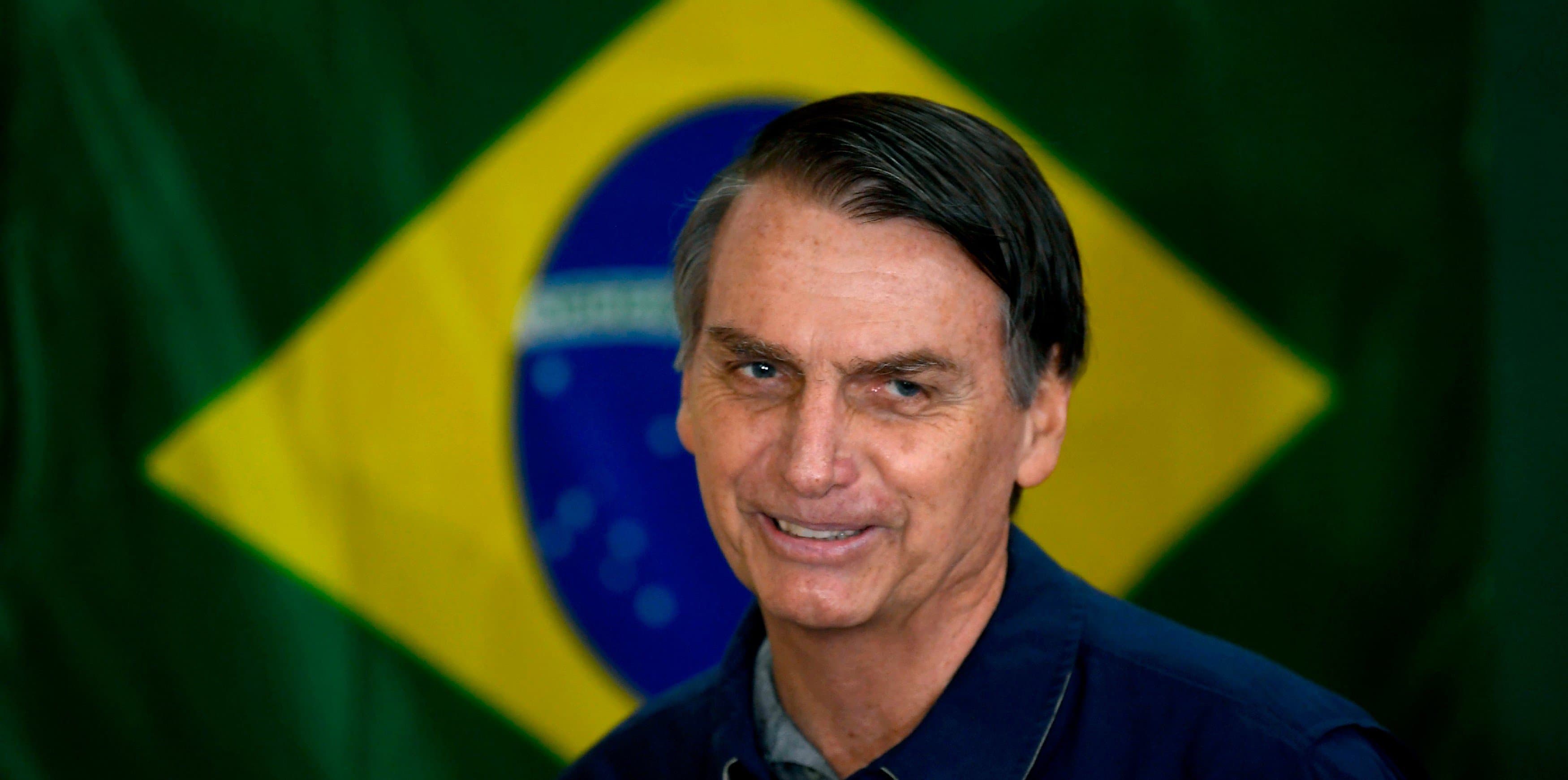
No. Brazil's Superior Electoral Court ruled in June 2023 that Bolsonaro is ineligible to hold public office until 2030 due to abuse of power and misuse of state media during the 2022 campaign. He cannot be a candidate in 2026.
What happens if no candidate gets more than 50% in the first round?
The top two candidates proceed to a runoff election, held on the last Sunday of October. The candidate with the most votes in the runoff wins the presidency.
Who are the leading candidates for the 2026 election?
Early polling suggests Governor Tarcísio de Freitas (right-wing), Vice President Geraldo Alckmin (center-left), Finance Minister Fernando Haddad (left), and former candidate Ciro Gomes (center) are the most prominent. The field remains fluid.
Educational content is AI-generated and sourced from Wikipedia. It should not be considered financial advice.