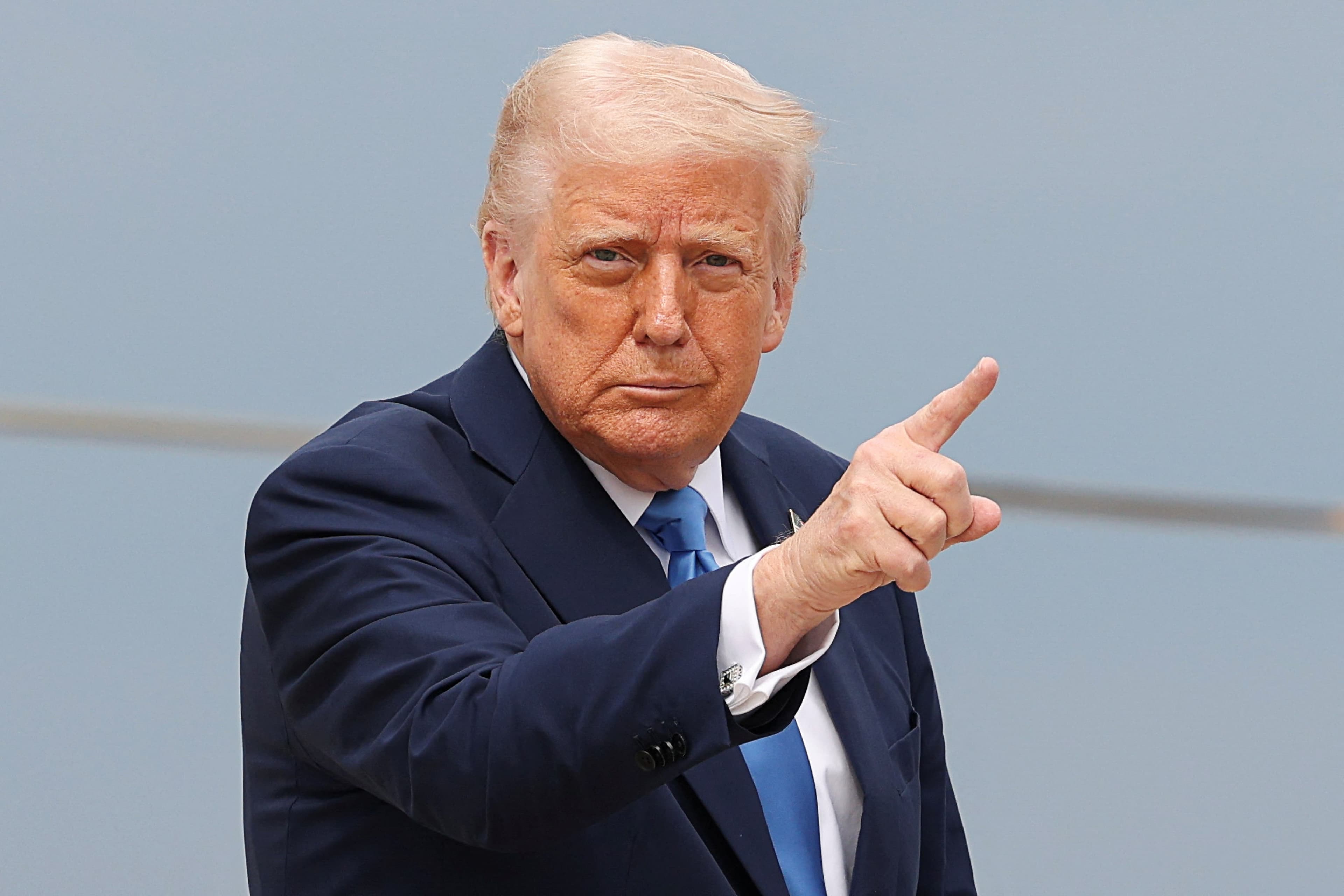
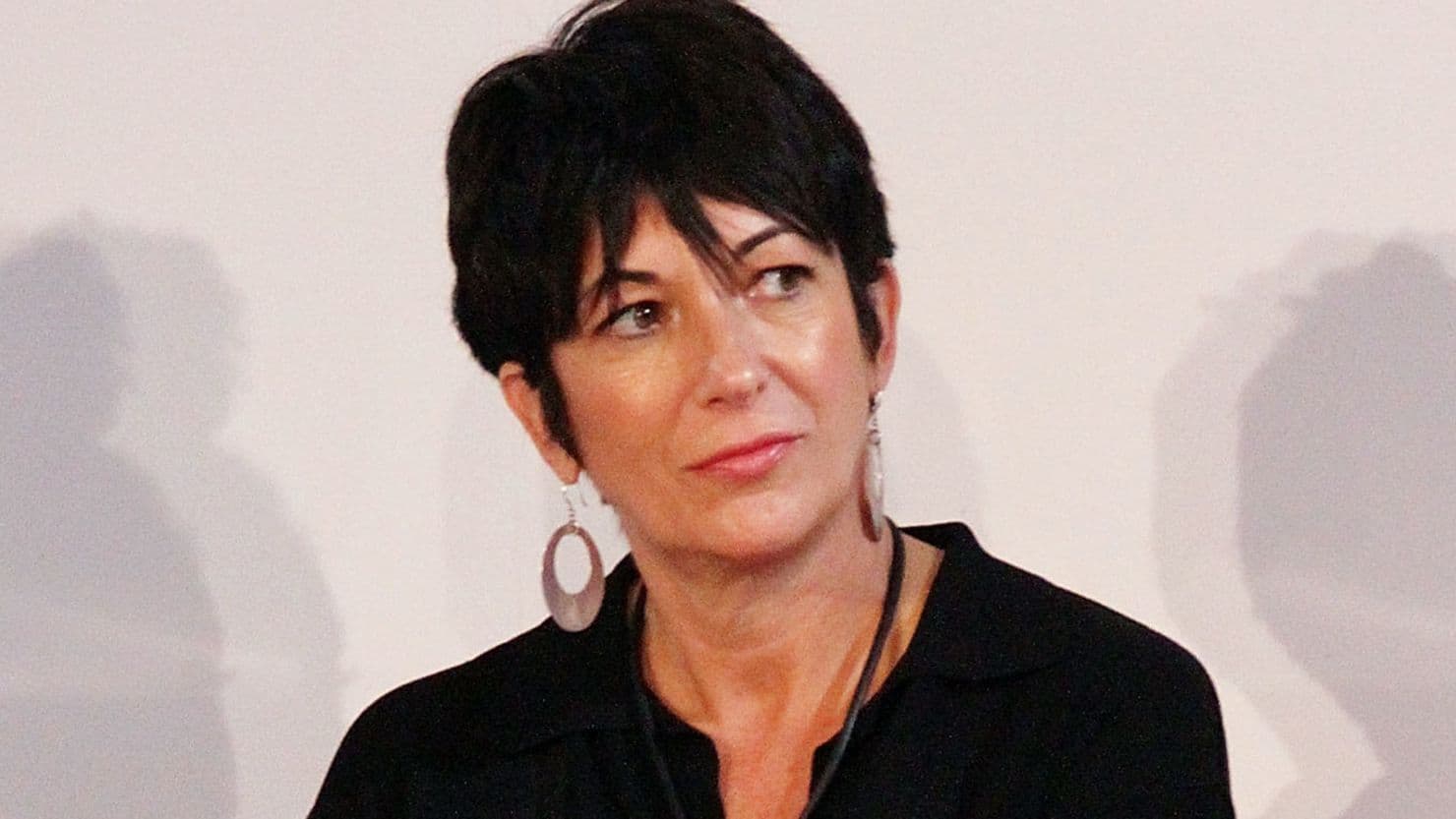
$249.82K
2
54

$249.82K
2
54
Trader mode: Actionable analysis for identifying opportunities and edge
Before Jan 1, 2027 If X has been given a presidential pardon, commutation, or reprieve during Trump's second term and before Jan 1, 2027, then the market resolves to Yes. Early close condition: This market will close and expire early if a pardon is granted. This market will close and expire early if a pardon is granted.
Prediction markets currently give roughly a 3 in 5 chance that Donald Trump will pardon Stefan Brodie before 2027. This means traders collectively see it as slightly more likely than not. The question is part of a larger set of markets tracking potential pardons in a possible second Trump term, with over a quarter million dollars wagered on dozens of similar questions. The focus on Brodie specifically suggests traders see his case as a leading indicator for a broader wave of pardons.
Stefan Brodie is a former New York City police officer convicted in 2022 for his role in the January 6th Capitol riot. He was sentenced to four years in prison for assaulting officers with a metal flagpole. Brodie’s case fits a clear pattern. During his 2024 campaign, Trump repeatedly promised to pardon January 6 defendants, calling them “hostages” and “unbelievable patriots.”
Traders are betting on Trump following through on this specific pledge. Brodie is not the most famous January 6 defendant, but his conviction for direct violence makes him a symbolic case. A pardon for him would signal a broad commitment to that group. The market odds also reflect Trump’s historical use of pardon power. In his first term, he granted clemency to several high-profile allies, like Roger Stone and Steve Bannon, suggesting a willingness to use this executive power for political and personal reasons.
The main event is the 2024 presidential election on November 5. If Trump does not win, this prediction becomes irrelevant. If he does win, the timeline accelerates. The presidential inauguration on January 20, 2025, would be the starting point for any new pardons. Watch for early statements or actions in January and February 2025. A clemency initiative for January 6 defendants could be an early symbolic act. The market for Brodie will close immediately if he is pardoned, so a sudden resolution early in 2025 would confirm the traders’ current forecast.
Prediction markets have a mixed record on political pardons. They are generally effective at aggregating known political intentions, like a president’s campaign promises. However, they can be less reliable for predicting the timing or specific targets of executive actions, which can be unpredictable. Markets correctly anticipated some of Trump’s first-term pardons but missed others. The high trading volume on this topic shows strong consensus on the general direction, but picking the exact first beneficiary is harder. The 60% probability reflects that uncertainty, balancing Trump’s clear intent against the unknown details of future governance.

Prediction markets assign a 60% probability that Donald Trump will pardon Stefan Brodie before 2027. This price indicates the market views a pardon as more likely than not, but with significant uncertainty. The 60% level on Polymarket is the highest among 54 related pardon markets, which collectively have seen $250,000 in trading volume. On Kalshi, the equivalent contract trades at approximately 55.6%, creating a 4.4 percentage point spread between platforms. This suggests moderate confidence in the outcome, but no consensus.
Stefan Brodie is a former New York City police officer convicted in 2022 for his role in the January 6 Capitol breach. His case is a direct symbol of the "political prisoner" narrative Trump has promoted. Trump has repeatedly promised to pardon January 6 defendants, calling them "hostages." Brodie's specific profile as a retired law enforcement officer convicted of assaulting police may make him a poignant political symbol for Trump's base. The market pricing reflects a bet that Trump will follow through on this specific campaign rhetoric early in a potential second term.
The primary catalyst is the 2024 presidential election. A Trump loss would collapse the probability to near zero. A Trump victory would likely cause prices across all January 6 pardon markets, including Brodie's, to spike. Legal and political timing matters. A pardon might not be immediate; Trump could wait for symbolic dates or face internal pressure to prioritize other cases. The 4.4% spread between Polymarket and Kalshi also presents a risk. The higher Polymarket price may reflect a more speculative retail user base betting on Trump's rhetoric, while Kalshi's lower price could indicate a more cautious assessment of bureaucratic hurdles.
The price discrepancy shows Polymarket traders are more bullish, pricing a 60% chance versus Kalshi's 55.6%. This arbitrage opportunity is not risk-free. The markets operate under different regulatory frameworks and have distinct user bases. Polymarket's user base may be more influenced by political sentiment, while Kalshi's is more institutional. The spread could narrow if traders execute cross-platform arbitrage, buying on Kalshi and selling on Polymarket. However, the difference may persist due to liquidity constraints or varying interpretations of the early-close condition if a pardon is granted to a different individual first.
AI-generated analysis based on market data. Not financial advice.
This prediction market asks whether Donald Trump will grant presidential pardons, commutations, or reprieves to specific individuals before January 1, 2027, during a potential second term. A presidential pardon is an executive power granted by Article II, Section 2 of the U.S. Constitution, allowing the president to forgive federal crimes. The market resolves to 'Yes' for a specific individual if they receive such clemency. The topic gained significant attention following Trump's first term, during which he issued 237 acts of clemency, including several controversial pardons for political allies and individuals convicted in cases related to the Russia investigation. Interest in this market stems from Trump's public statements about potential pardons for defendants involved in the January 6 Capitol riot and his own legal challenges, suggesting clemency could be a major feature of a second administration. Observers are monitoring this because it tests the limits of presidential pardon power and reflects broader political conflicts.
The presidential pardon power has existed since the founding of the republic, with its scope debated but broadly interpreted. Historically, presidents have used it for humanitarian reasons, to correct judicial perceived injustices, or for political reconciliation. Modern controversies began with President Gerald Ford's pardon of Richard Nixon in 1974 for any crimes he may have committed, a move that was politically costly but intended to heal the nation. President Bill Clinton's last-day pardons in 2001, including for fugitive financier Marc Rich, drew accusations of cronyism and led to congressional hearings. These events established a pattern of controversial end-of-term pardons. Donald Trump's first-term pardons continued this trend but were notable for their focus on individuals connected to his own political orbit. He issued 237 acts of clemency, more than any modern single-term president except for Jimmy Carter, who issued 566, many for Vietnam War draft evaders. Trump's pardon of Joe Arpaio in 2017 and his commutation of Roger Stone's sentence in 2020 demonstrated a willingness to intervene in cases directly related to his political interests, setting a clear precedent for a potential second term.
The potential for a wave of Trump pardons matters because it directly tests constitutional norms and the principle of equal justice under law. Granting clemency to individuals convicted of crimes related to the January 6 attack or to his own associates could be seen as undermining the judicial system's authority and validating political violence. It would send a signal about accountability for efforts to overturn election results. For the thousands of individuals convicted in the January 6 prosecutions, a blanket pardon promise could nullify years of investigative and judicial work, affecting over 1,300 defendants. Downstream consequences include potential demoralization within the Department of Justice and the FBI, and a precedent for future presidents to use pardons as a tool to shield allies and supporters from legal consequences, further politicizing the justice system.
As of mid-2024, Donald Trump is the presumptive Republican nominee for president. He has not issued any pardons since leaving office in January 2021, as only the sitting president holds that power. Several key figures like Stephen Bannon and Peter Navarro are serving prison sentences for contempt of Congress. Trump has reiterated in campaign speeches and interviews that he would 'look very, very favorably' on pardons for January 6 defendants. Legal experts note that while a president cannot pardon state convictions, like those in Georgia, he could preemptively pardon individuals for potential federal charges, a power that remains legally untested in many respects. The U.S. Supreme Court is also considering cases related to January 6 charges that could affect the legal landscape before 2027.
Yes, a president can issue a preemptive pardon for federal crimes. The Supreme Court affirmed this power in Ex parte Garland (1866). However, a preemptive pardon has never been tested for a complex, ongoing investigation like the January 6 probe, and it would not apply to state charges.
No, a pardon does not expunge or erase the conviction. It forgives the offense and restores certain civil rights, but the record of the arrest, charge, and conviction typically remains. Some states allow for expungement, but that is a separate process.
A pardon fully forgives the crime and restores rights. A commutation reduces a sentence but does not forgive the crime or erase the conviction. A reprieve temporarily postpones punishment. The prediction market resolves to 'Yes' for any of these three actions.
This is an untested constitutional question. No president has ever attempted a self-pardon. The Department of Justice's Office of Legal Counsel issued a memo in 1974 stating a president likely cannot pardon himself, but this opinion is not legally binding. The Supreme Court has never ruled on the issue.
A pardon is for past offenses. If a pardoned individual commits a new federal crime, they can be prosecuted for that new crime. The pardon does not provide immunity for future actions.
Educational content is AI-generated and sourced from Wikipedia. It should not be considered financial advice.
42 markets tracked

No data available
| Market | Polymarket | Kalshi | Diff |
|---|---|---|---|
![]() | 20% | 29% | 9% |
![]() | 22% | 19% | 3% |
![]() | 20% | 10% | 10% |
![]() | 13% | 16% | 2% |
![]() | 18% | 7% | 10% |
![]() | 7% | 12% | 5% |
![]() | 6% | 13% | 8% |
![]() | 8% | 11% | 3% |
![]() | 7% | 9% | 1% |
![]() | 7% | 8% | 1% |
Different
Similar

Before Jan 1, 2027 If X has been given a presidential pardon, commutation, or reprieve during Trump's second term and before Jan 1, 2027, then the market resolves to Yes. Early close condition: This market will close and expire early if a pardon is granted. This market will close and expire early if a pardon is granted.

This market will resolve to "Yes" if the listed individual receives a presidential pardon, commutation, or reprieve from Donald Trump between November 17, 2025 and December 31, 2026, 11:59 PM ET. Otherwise, this market will resolve to "No". The primary resolution source for whether the individual is pardoned or not will be official information from the US government, however a consensus of credible reporting will also be used.


No related news found
Polymarket
$144.20K
Kalshi
$105.63K
Add this market to your website
<iframe src="https://predictpedia.com/embed/gEBvIv" width="400" height="160" frameborder="0" style="border-radius: 8px; max-width: 100%;" title="Who will Trump pardon before 2027?"></iframe>