This event has ended. Showing historical data.

Events
GroupPOLYMARKET

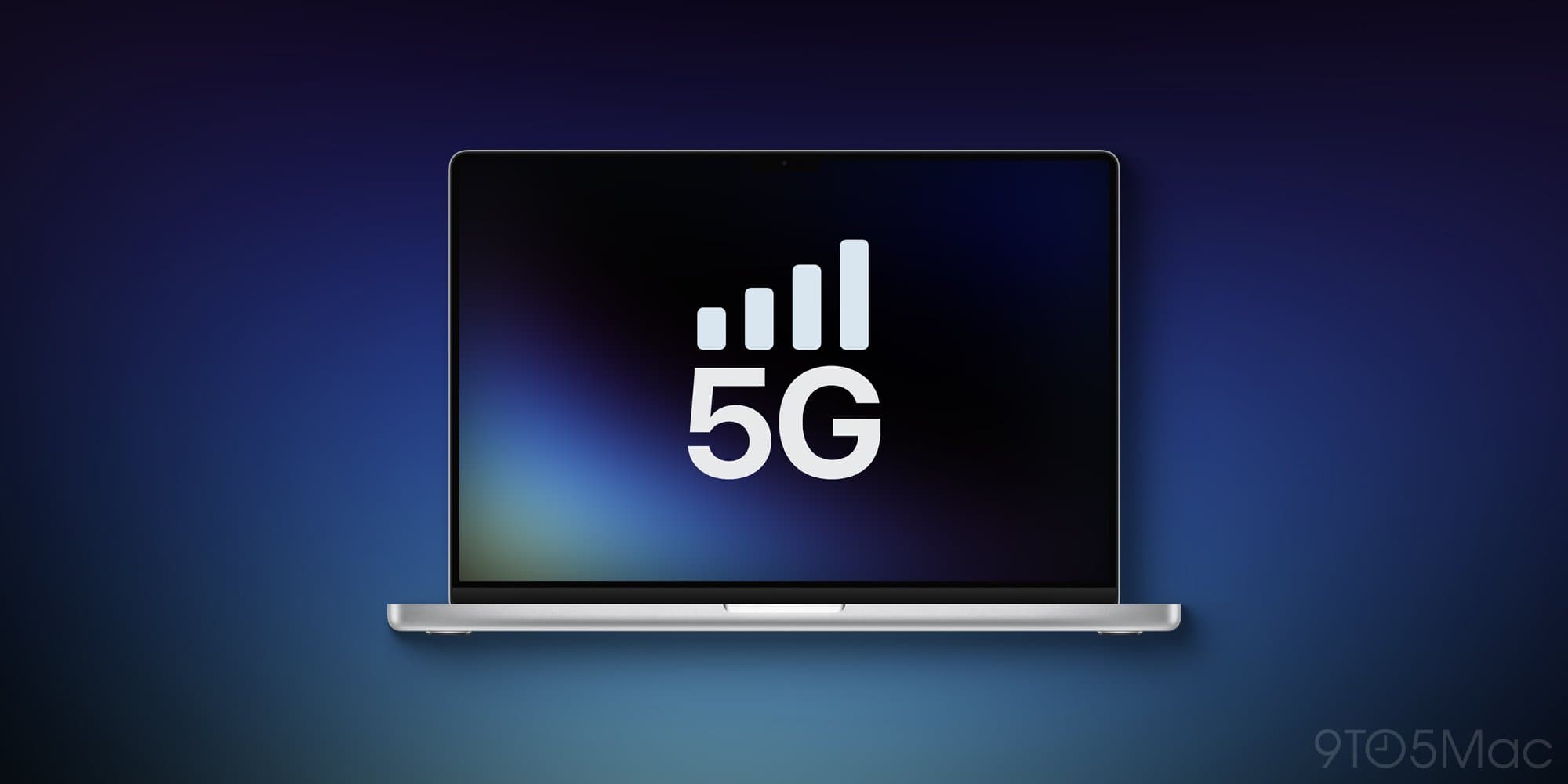
Will Apple release a MacBook with cellular connectivity by June 30?

Will Apple release a MacBook with cellular connectivity by June 30?
Vol

$6.67K

|
Events

1

|
Markets

1

AI Analysis

Trader mode: Actionable analysis for identifying opportunities and edge

2%
Top Probability
$6.67K
Volume
1
Markets
1
Platforms

About This Event

This market will resolve to "Yes" if Apple officially releases a "MacBook" product with cellular connectivity by June 30, 2026, 11:59 PM ET. Otherwise, this market will resolve to "No". A qualifying product must be named "MacBook". A product that would accomplish a similar function will not qualify, the name must actually be "MacBook". In order to be considered released, the product must be available for purchase by the general public within the specified timeframe. An announcement or unveilin

Current Market Outlook

The market gives this a 22% chance, meaning traders see it as a long shot. That price says "possible but unlikely" rather than "no chance at all." For context, a 22% probability in prediction markets usually requires a specific, plausible path to happen, but most analysts expect the status quo to hold.

Apple has never shipped a Mac with cellular connectivity. The iPad lineup has offered cellular options for over a decade. The iPhone obviously has it. But the Mac line remains WiFi-only. This gap is the core reason the market sits so low. Apple would need to reverse a longstanding design philosophy.

Key Factors Driving the Odds

Apple's historical argument against cellular Macs centers on battery life and antenna design. MacBooks already struggle with thermal management in thin chassis. Adding a cellular modem means more power draw, more heat, and a plastic antenna window that messes with the unibody aluminum design.

The counterargument is Apple's growing interest in its own modems. Apple acquired Intel's modem business in 2019. The company is developing in-house 5G chips. If those chips become small and efficient enough, the battery and space arguments weaken. But Apple's modem efforts have been delayed repeatedly. The first Apple-designed modem is expected in the 2025 iPhone SE, not in a Mac.

Another factor is the MacBook Air's shift to M-series chips. Those chips have lower power draw than Intel parts. The M4 generation could potentially support a cellular modem without destroying battery life. But Apple has shown no public interest.

What Could Change These Odds

The biggest catalyst would be a leak from Apple's supply chain showing modem testing in Mac prototypes. If that happens, the market could jump to 60%+ overnight. Apple's WWDC in June 2025 is a natural announcement window, but the company rarely pre-announces hardware features.

A second trigger would be Qualcomm or MediaTek announcing a Mac-compatible modem reference design. That would lower Apple's engineering costs and make a cellular Mac more commercially viable.

The risk to the current 22% price is that Apple simply doesn't care. The company sells iPads with cellular as a premium upsell. Mac users who need connectivity already tether to their phones. Apple has no obvious revenue incentive to change this. The market is probably underpricing how little Apple's leadership cares about this feature.

AI-generated analysis based on market data. Not financial advice.

Overview

This prediction market asks whether Apple will release a MacBook with built-in cellular connectivity before January 1, 2027. Cellular connectivity, also called mobile broadband or LTE/5G, would allow a MacBook to connect to the internet via a cellular network without needing Wi-Fi or a hotspot from a phone. Apple has never offered a Mac with a cellular modem, unlike competitors such as Lenovo, Dell, HP, and Microsoft, which have sold Windows laptops with embedded SIM slots for years. The question touches on Apple's product strategy, its control over the mobile ecosystem, and the practical demand for always-on connectivity in laptops. Apple's iPhone and iPad lines have included cellular models since their early generations. The iPad has had cellular options since the original model in 2010, and the iPhone has always been a cellular device. The Mac, however, has remained Wi-Fi-only, with users relying on tethering to their iPhone or using external dongles. Apple's reluctance to add cellular to the Mac may stem from design constraints, battery life concerns, carrier negotiations, and a desire to keep the iPhone as the primary mobile internet device for Apple users. Recent developments suggest a shift. In 2023 and 2024, Apple began designing its own cellular modems, moving away from Qualcomm. The company acquired Intel's modem business in 2019 for $1 billion, and reports from Bloomberg and other outlets indicate Apple is testing in-house 5G modems for future iPhones and possibly other devices. If Apple's modem chips become cost-effective and power-efficient enough, adding them to Macs becomes more feasible. Additionally, Apple's move to Apple Silicon (M1, M2, M3, M4 chips) has given the company more control over system integration, potentially simplifying the addition of cellular radios. Interest in this topic stems from the broader trend of always-connected PCs. Microsoft has promoted 'Always Connected' PCs since 2017, using Snapdragon processors with integrated LTE. These devices target business travelers, field workers, and anyone who needs reliable internet on the go. Apple has not participated in this category, and its absence is notable given the Mac's popularity in professional and creative fields. The outcome of this prediction market could signal whether Apple intends to change its strategy or maintain the status quo, impacting how millions of users connect their primary computing devices.

Historical Context

Apple has never released a Mac with cellular connectivity. The first Mac, the Macintosh 128K, launched in 1984 without networking capabilities. Ethernet was added to Macs in the late 1980s, and Wi-Fi became standard with the iBook in 1999. Cellular modems, however, were reserved for the iPhone (2007) and iPad (2010). The iPad's cellular option was notable because it allowed users to buy data plans directly from Apple's website without carrier contracts, a model Apple could replicate for Macs. In the broader PC market, cellular connectivity has been available for over a decade. Lenovo's ThinkPad series offered embedded WWAN (wireless wide area network) modules as early as the 2000s. Dell's Latitude line followed. In 2017, Microsoft launched the 'Always Connected' PC initiative with Qualcomm, supporting Windows on ARM devices with integrated LTE. By 2020, many Windows laptops from HP, Lenovo, Dell, and Microsoft offered 4G LTE or 5G options. Apple's absence from this category became more conspicuous as cellular laptops gained traction among business users. Apple's approach to cellular has been influenced by its desire to control the user experience. The iPhone's cellular capabilities are tightly integrated with iOS, and carrier partnerships are complex. For the Mac, Apple may have been concerned about adding antenna complexity, battery drain, and the need for a separate data plan. However, the rise of eSIM technology, which eliminates the need for a physical SIM card slot, reduces hardware complexity. Apple introduced eSIM-only iPhones in the US in 2022, suggesting a path toward eSIM-based cellular Macs.

Why It Matters

A cellular MacBook would change how millions of professionals and students use their laptops. For business travelers, field service workers, and remote employees, having a laptop that can connect to the internet anywhere without relying on Wi-Fi or phone tethering is a productivity advantage. It could reduce dependence on insecure public Wi-Fi networks and eliminate the hassle of turning on a personal hotspot. The education sector, where students often lack reliable home internet, could also benefit if Apple offers affordable cellular data plans. Economically, a cellular MacBook could boost Apple's services revenue through data plan commissions and increase Mac sales among enterprise customers. It would also put pressure on carriers to offer competitive laptop data plans. For the PC industry, Apple's entry could accelerate the adoption of 5G in laptops, pushing competitors to improve their offerings. The broader significance lies in the convergence of mobile and desktop computing: a cellular MacBook would be a step toward making the laptop as always-connected as a smartphone, blurring the lines between the two categories.

Current Status

As of early 2025, Apple has not announced any Mac with cellular connectivity. The latest MacBook Pro and MacBook Air models, released in late 2024, lack cellular options. However, reports from Bloomberg's Mark Gurman indicate that Apple's internal modem project, codenamed 'Sinope,' is progressing and could be used in iPhones as early as 2025 or 2026. If successful, the modem could then be adapted for iPads and Macs. Industry analysts at firms like Counterpoint Research and IDC have noted that Apple's modem development has faced delays due to technical challenges, including heat management and power efficiency. Apple is reportedly testing modems with its own radio frequency (RF) components, aiming for better integration with its chips. The earliest a cellular MacBook could appear is likely 2026 or 2027, aligning with the prediction market's deadline. No official roadmap from Apple mentions a cellular Mac, leaving the outcome uncertain.

Frequently Asked Questions

Why doesn't Apple make a MacBook with cellular connectivity?

Apple has never explained publicly, but likely reasons include design complexity, battery life concerns, carrier negotiations, and a desire to keep the iPhone as the primary mobile device. Apple may also be waiting for its own modem technology to be ready.

Was this helpful?
Updated Jul 11, 2026

Educational content is AI-generated and sourced from Wikipedia. It should not be considered financial advice.

Market Insights

Average Yes Price
2¢
Polymarket
Arbitrage Opps
0
Cross-Platform
0

Trade This Market