$268.75K
1
1

1 market tracked

No data available
| Market | Platform | Price |
|---|---|---|
![]() | Poly | 1% |
Trader mode: Actionable analysis for identifying opportunities and edge
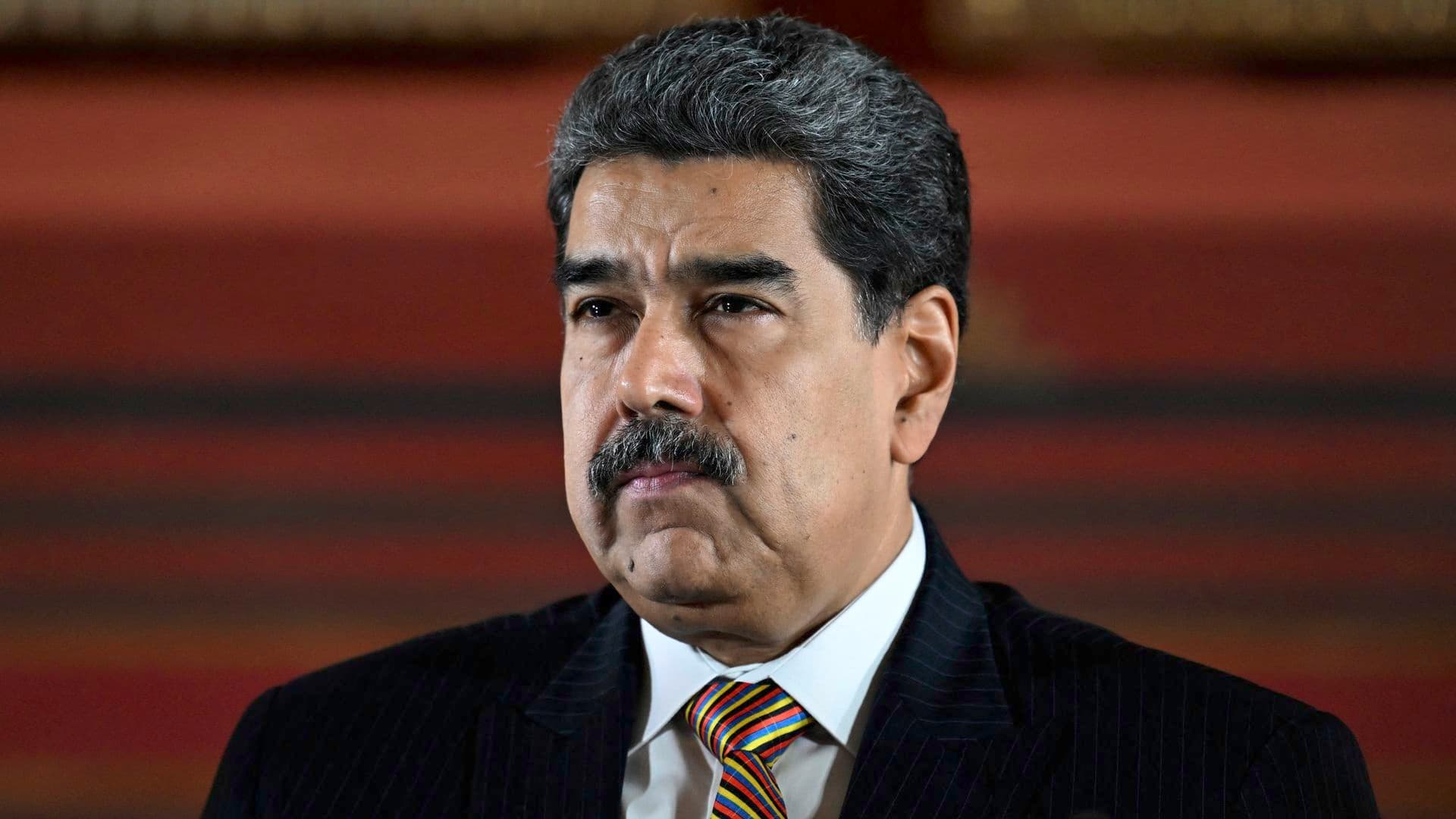
On January 3, 2026, Nicolás Maduro was indicted alongside alleged co-conspirators in an indictment titled "United States of America V. Nicolás Maduro Moros, Diosdado Cabello Rondón, Ramón Rodríguez Chacín, Cilia Adela Flores de Maduro, Nicolás Ernesto Maduro Guerra". This market will resolve to "Yes" if a trial start date in the indictment against Nicolás Maduro is scheduled by January 31, 2026, 11:59 PM ET. Otherwise, this market will resolve to "No." If the judge schedules a trial date withi
Prediction markets currently assign a minimal 1% probability that a trial date for Nicolás Maduro will be scheduled by the January 31, 2026 deadline. This price, trading at 1¢ on Polymarket, indicates the market views this outcome as highly improbable. With $268,000 in volume, there is moderate liquidity supporting this consensus view, suggesting traders have high conviction in their assessment.
The near-zero probability is driven by the extreme logistical and political complexity of putting a sitting head of state on trial in U.S. federal court. Historically, the U.S. has indicted foreign leaders like Manuel Noriega and Slobodan Milošević, but trials only proceeded after their removal from power. Maduro remains firmly in control in Venezuela, making his physical presence in a U.S. courtroom by month's end virtually inconceivable. Furthermore, the legal process for a multi-defendant RICO indictment is protracted, typically involving years of pre-trial motions, making a scheduled trial date within weeks of indictment legally unprecedented.
A dramatic, unforeseen geopolitical event could theoretically shift the odds, but the timeline is exceptionally tight. The only plausible catalyst would be Maduro's sudden departure from power and immediate extradition to the United States before January 31, a scenario the market rightly prices as remote. A procedural action, such as a judge setting a highly expedited and speculative future date during an initial hearing, could be contested as a technical "schedule," but legal experts consider this unlikely given judicial norms. The market will remain near 0% barring a revolutionary change in Venezuela's political situation within the next 16 days.
AI-generated analysis based on market data. Not financial advice.
$268.75K
1
1
This prediction market addresses whether a trial date will be scheduled by January 31, 2026, for Nicolás Maduro, the President of Venezuela, following his indictment by the United States Department of Justice. On January 3, 2026, a federal grand jury in the Southern District of Florida unsealed an indictment charging Maduro and several alleged co-conspirators with crimes including narco-terrorism, corruption, and drug trafficking conspiracies. The case, titled 'United States of America v. Nicolás Maduro Moros et al.,' represents one of the most significant U.S. legal actions against a sitting head of state and alleges that Maduro and his associates transformed Venezuela into a hub for international cocaine trafficking to finance their regime and destabilize the United States. The market resolves based on whether a federal judge formally schedules a trial start date from the indictment by the deadline, a procedural step that would signal the case is moving forward despite the immense political and diplomatic complexities of prosecuting a foreign leader. Interest in this topic stems from its unprecedented nature, its potential to reshape U.S.-Venezuela relations, and the legal precedent it could set for holding foreign officials accountable in American courts.
The U.S. legal pursuit of Venezuelan officials has deep roots. In March 2020, the U.S. Department of Justice unsealed indictments against Nicolás Maduro and more than a dozen other current and former Venezuelan officials on narco-terrorism and drug trafficking charges. That indictment alleged a 20-year conspiracy dating back to Maduro's tenure as Minister of Foreign Affairs and Vice President. It specifically accused him of coordinating with the Revolutionary Armed Forces of Colombia (FARC) to send over 250 metric tons of cocaine to the United States. The U.S. government simultaneously announced a $15 million reward for information leading to Maduro's capture. This legal action followed years of escalating sanctions against the Maduro regime, beginning with targeted sanctions on individuals in 2015 and expanding to sweeping economic sanctions on Venezuela's oil sector in 2019. The historical context includes the 2016 conviction of First Lady Cilia Flores's nephews, Efraín Campo Flores and Francisco Flores de Freitas, in New York federal court for conspiring to transport cocaine into the United States, which prosecutors argued demonstrated the involvement of Maduro's inner circle. These events established a pattern of U.S. judicial action against Venezuelan leadership that the 2026 indictment continues.
The scheduling of a trial date for Nicolás Maduro carries profound implications for international law and diplomacy. It would represent an unprecedented assertion of U.S. judicial authority over a sitting foreign head of state, testing long-standing principles of sovereign immunity and potentially creating a new template for how powerful nations can legally confront adversarial governments. This could encourage other nations to pursue similar extraterritorial prosecutions, reshaping geopolitical conflicts. For Venezuela, a scheduled trial would deepen the country's isolation, complicate any future political negotiations, and likely harden the position of the Maduro regime, which would frame the trial as imperialist aggression. This could further destabilize a nation where over 7 million people have fled economic and political crisis, affecting migration patterns throughout the Americas. The case also matters for global drug policy, as a successful prosecution would formally establish in court the alleged transformation of a national government into a criminal drug trafficking organization, with implications for how international institutions address state-sponsored narcotics trade.
As of early January 2026, the indictment has been formally unsealed and the defendants have been charged. The case is pending in the U.S. District Court for the Southern District of Florida. The immediate procedural step is for the court to process the indictment, which may involve issuing summonses or arrest warrants, though practical apprehension of President Maduro remains unlikely given his position. The judge will need to address complex legal questions regarding service of process on a foreign head of state and potential immunity claims before any trial scheduling can occur. The U.S. Department of Justice has stated it is committed to pursuing the case, while the Venezuelan government has denounced the indictment as illegal and politically motivated.
The U.S. government asserts it has jurisdiction because the alleged crimes, including conspiracy to distribute cocaine intended for the United States, violate U.S. laws. However, prosecuting a sitting head of state presents untested legal challenges regarding sovereign immunity and would likely involve prolonged pretrial litigation before any trial could begin.
The U.S. would be unable to physically bring Maduro to court without his apprehension, which is highly improbable while he remains in Venezuela. The trial could proceed in absentia, a rare but possible scenario in U.S. federal courts, or the case could remain pending indefinitely as a symbolic legal condemnation.
Based on the similar 2020 indictment, charges likely include narco-terrorism conspiracy, cocaine importation conspiracy, and possession of machine guns and destructive devices in furtherance of narcotics trafficking. The narco-terrorism charge carries a mandatory minimum sentence of 20 years and maximum of life imprisonment.
The indictment represents a severe escalation in tensions, effectively ruling out diplomatic normalization in the near term. It hardens positions on both sides and complicates any negotiations regarding Venezuela's political future, oil sanctions, or migration issues.
No sitting head of state has ever been tried in U.S. federal courts. The closest precedent is the 1989 U.S. invasion of Panama to capture Manuel Noriega, who was then tried and convicted, but he was a military dictator, not a democratically positioned president, and was already in U.S. custody.
Educational content is AI-generated and sourced from Wikipedia. It should not be considered financial advice.
Share your predictions and analysis with other traders. Coming soon!

No related news found
Add this market to your website
<iframe src="https://predictpedia.com/embed/iWu_Y_" width="400" height="160" frameborder="0" style="border-radius: 8px; max-width: 100%;" title="Maduro trial scheduled by January 31?"></iframe>