$51.22K
1
12

$51.22K
1
12
Trader mode: Actionable analysis for identifying opportunities and edge
The 2026 Busan mayoral election is scheduled to take place on June 3, 2026 to elect the next mayor of Busan. This market will resolve according to the listed candidate that wins this election. If the result of this election isn't known by January 31, 2027, 11:59 PM ET, the market will resolve to "Other". This market will resolve based on the result of the election as indicated by a consensus of credible reporting. If there is ambiguity, this market will resolve based solely on the official re
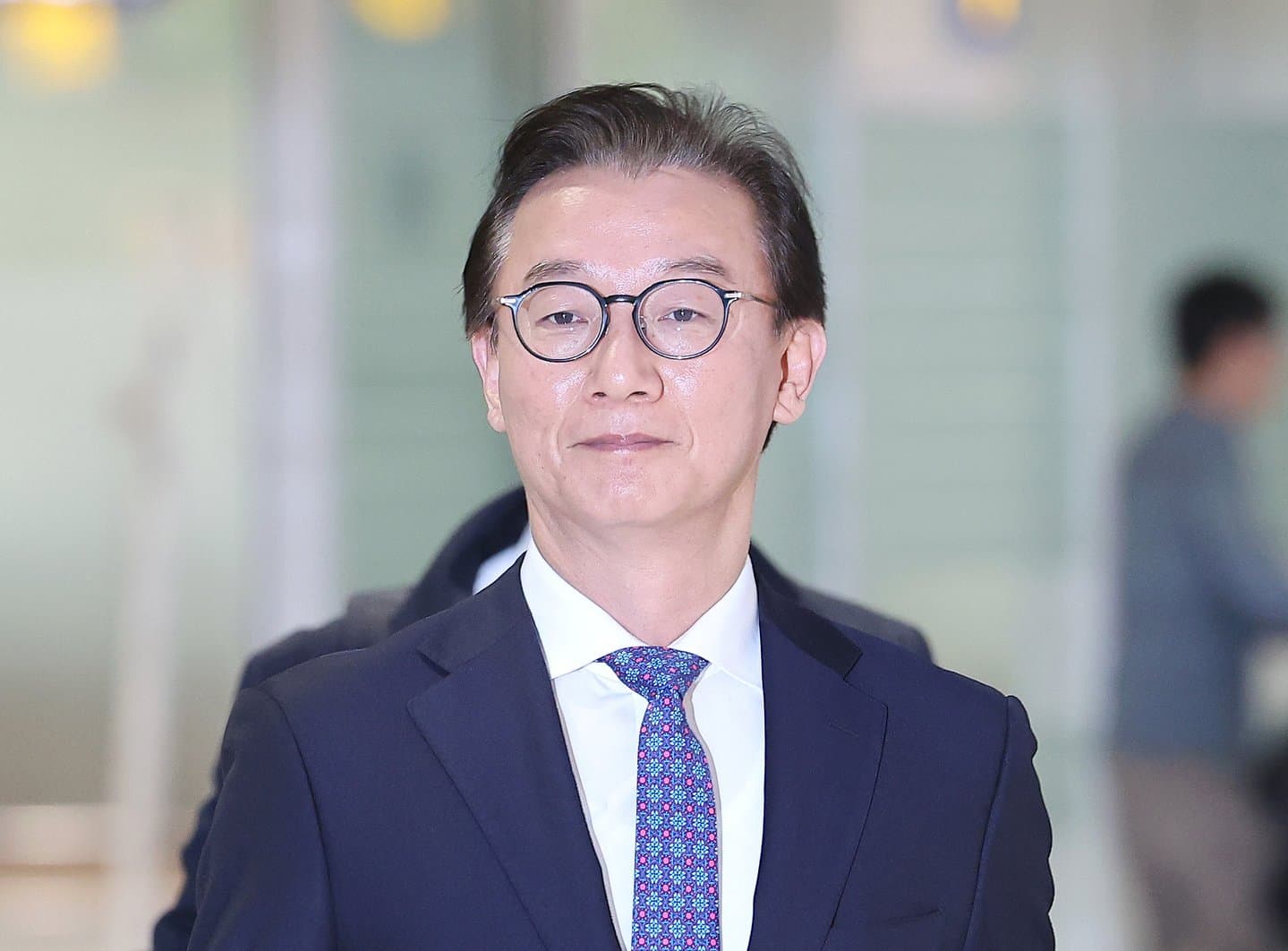
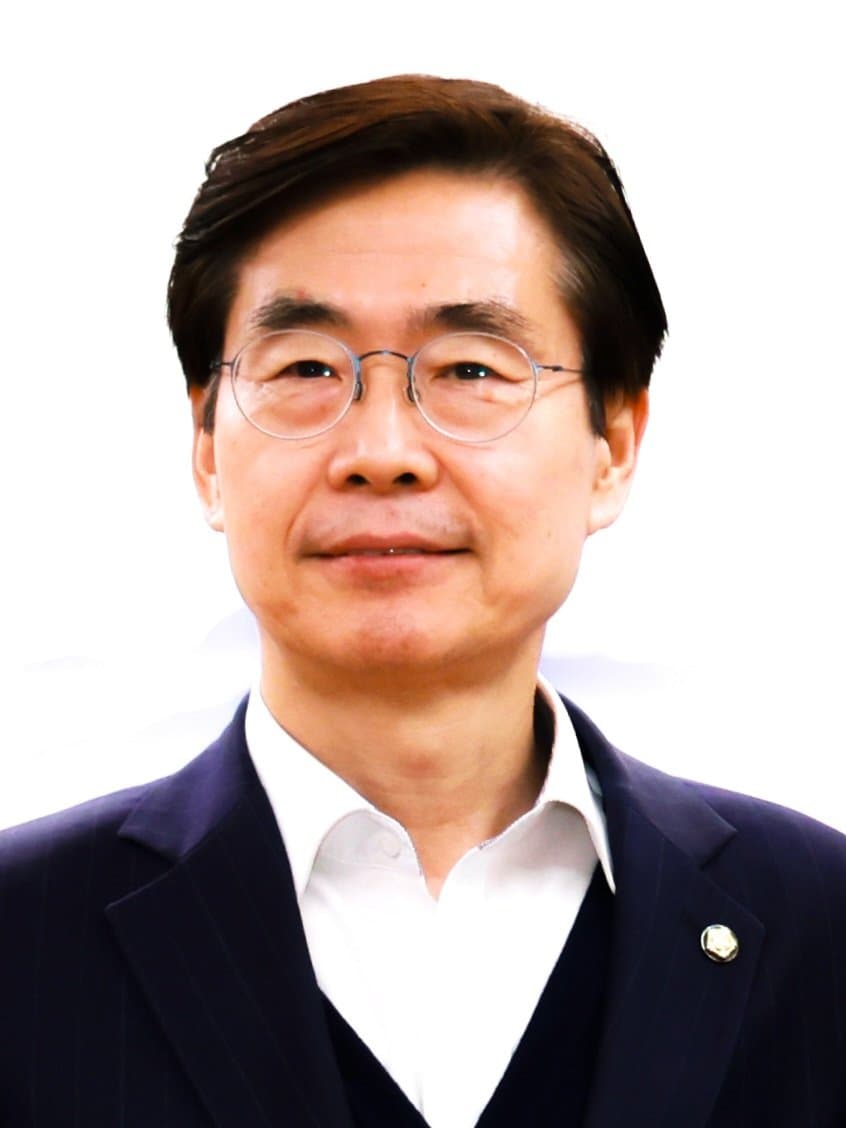
Prediction markets currently give Chun Jae-soo a 76% chance of winning the 2026 Busan mayoral election. In simpler terms, traders collectively believe there is roughly a 3 in 4 chance he becomes the next mayor. This is a strong lead, suggesting he is viewed as the clear favorite, though not a guaranteed winner.
Chun Jae-soo is a member of South Korea’s main opposition Democratic Party. His high odds likely stem from two main factors. First, Busan has recently become more favorable to the Democratic Party. The party won a major by-election for a Busan parliamentary seat in 2023, breaking a long-held conservative stronghold in the region. This shift suggests changing voter sentiment.
Second, Chun is a known figure with prior electoral experience. He previously served as a member of the National Assembly. This name recognition and political background may give him an edge in a high-profile mayoral race, especially if the current national political climate continues to favor the opposition.
The election is set for June 3, 2026. The most important events before then will be the official nomination of candidates by the major parties, expected in early 2026. Any significant national political scandals or shifts in economic conditions could also impact local races. Polls released in the spring of 2026 will provide a clearer signal of whether Chun’s large lead holds or narrows.
Prediction markets have a mixed but often insightful record with regional elections. They can be good at aggregating polling data, insider knowledge, and public sentiment. However, for an election still two years away, these odds are very early and speculative. Much can change. The relatively small amount of money wagered on this specific race (about $51,000) also means the forecast could be more volatile if new information emerges. Treat this as a snapshot of current informed opinion, not a firm prophecy.
Prediction markets on Polymarket assign a 76% probability to Chun Jae-soo winning the 2026 Busan mayoral election. This price indicates a strong favorite status, but not a guaranteed outcome. The opposing "No" share trades at 24%, reflecting a meaningful chance for another candidate. Total volume across all related markets is $51,000, which is relatively thin for an election nearly three months away. This low liquidity suggests the current odds are more sensitive to new information than a deeply traded market would be.
Chun Jae-soo's high probability is anchored by his incumbency. He won a 2023 by-election decisively, securing over 56% of the vote in a traditionally conservative stronghold. This established a powerful political base. As the sitting mayor from the ruling People Power Party, he controls the administrative machinery and has high name recognition. The current national political environment also favors his party, which strengthens his position. The market is pricing in the significant historical advantage incumbents hold in South Korean local elections, where re-election rates are high.
The primary risk to Chun's lead is the formation of a unified opposition candidate. The liberal Democratic Party of Korea has yet to select a nominee. A strong, consensus challenger could consolidate the anti-incumbent vote and dramatically shift the odds. New polling data, expected to emerge as the June 3 election nears, will be a direct catalyst. A scandal or major policy failure in Busan could also undermine the incumbent's advantage. The thin market liquidity means any credible news on these fronts will likely cause sharp price movements.
Busan is South Korea's second-largest city and a critical political battleground. While historically a conservative stronghold, recent elections have shown increasing competitiveness. The mayor oversees a major port city with significant economic and logistical importance. The 2026 race is seen as a key midterm bellwether for the national ruling party's popularity ahead of the 2027 presidential election. Chun Jae-soo, a former prosecutor, first entered the mayor's office via a 2023 by-election triggered by a resignation. His current term is his first full one, making his re-election bid a test of his administration's performance.
AI-generated analysis based on market data. Not financial advice.
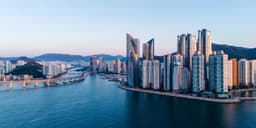
The 2026 Busan mayoral election is a scheduled local election in South Korea to choose the next mayor of Busan Metropolitan City, the country's second-largest city and a major economic hub. The election will be held on June 3, 2026, as part of the nationwide local elections. The mayor serves a four-year term and holds significant administrative power over a city of 3.3 million people, with jurisdiction over key infrastructure like the Port of Busan, the Busan-Jinhae Free Economic Zone, and major cultural projects. This election is viewed as a critical political battleground between South Korea's two main parties, the conservative People Power Party and the liberal Democratic Party of Korea, offering a key indicator of national political sentiment ahead of the 2027 presidential election. Interest in the race is high due to Busan's economic importance and its historical role as a conservative stronghold, though recent elections have shown increasing competitiveness. The outcome will influence major regional decisions, including the city's bid to host the 2030 World Expo, ongoing real estate development projects, and transportation policies.
Busan's mayoral elections have undergone significant political shifts since the establishment of local autonomy in 1995. For decades, the city was an impregnable fortress for conservative parties, with candidates from the Grand National Party (precursor to the PPP) winning every election from 1995 to 2010. This dominance reflected the political culture of the Yeongnam region. The 2014 election marked a historic break when Kim Young-choon of the liberal Democratic Party won, ending 19 years of conservative rule. His victory was attributed to a unified liberal vote and public desire for change following the Sewol ferry disaster. Kim was re-elected in 2018, but his successor, Oh Keo-don of the same party, resigned in scandal in 2021. This led to a 2022 by-election, which conservative candidate Park Hyung-joon won decisively, returning the mayoralty to the People Power Party. The 2026 election will test whether this conservative restoration is durable or if the liberal party can again make inroads. The volatility of recent cycles shows Busan is no longer a guaranteed conservative win, making each election highly consequential for national politics.
The election determines leadership for South Korea's most important port city, which handles about 75% of the nation's container traffic. The mayor's policies directly impact national trade logistics, the success of the Busan-Jinhae Free Economic Zone, and the city's bid to host the 2030 World Expo, a project with estimated economic effects in the tens of billions of dollars. A change in administration could alter the direction of major urban development plans and infrastructure investments. Politically, the result is a bellwether for the conservative party's strength in its traditional heartland ahead of the 2027 presidential election. A loss in Busan would signal vulnerability for the ruling party, while a solid win would reinforce its regional base. For residents, the election affects local issues like housing affordability, public transportation expansions including subway lines, and responses to the city's aging population. The outcome also influences inter-governmental relations with the national administration in Seoul, affecting the flow of central government funds and support for regional projects.
As of late 2024, the political landscape is in a preparatory phase. Incumbent Mayor Park Hyung-joon has not formally declared his intention to run for re-election, though it is widely anticipated within his party. The opposition Democratic Party has begun internal discussions about potential candidates, with former Mayor Kim Young-choon frequently mentioned. The national political environment, shaped by President Yoon Suk Yeol's mid-term performance and the opposition's cohesion, is a major variable. Policy debates are starting to form around the city's 2030 World Expo bid, housing prices, and public transportation. No major candidates have officially launched campaigns, but party strategists and local media are actively analyzing voter sentiment and potential matchups.
The election is scheduled for June 3, 2026. This date is set by South Korea's election laws for the nationwide local elections, which occur every four years.
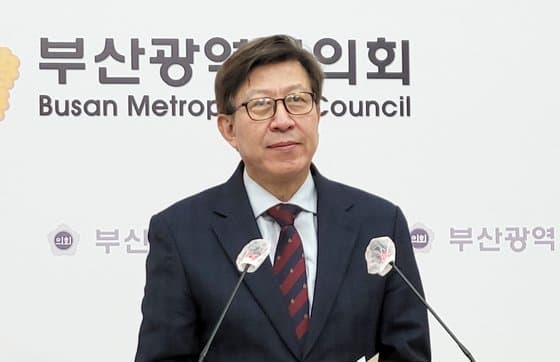
The current mayor is Park Hyung-joon of the People Power Party. He was elected in a by-election on April 7, 2022, following the resignation of former Mayor Oh Keo-don.
The mayor serves a four-year term. The winner of the June 2026 election will serve from July 2026 until June 2030.
Busan, along with the surrounding South Gyeongsang region, has historically voted for conservative parties due to regional political identity and historical ties. Conservatives held the mayoralty from 1995 to 2014 and regained it in 2022.
The last election was a by-election in 2022. Conservative candidate Park Hyung-joon won decisively with 66.1% of the vote, reclaiming the office for the People Power Party after the liberal mayor resigned.
Key issues will likely include the city's bid to host the 2030 World Expo, housing affordability and development, public transportation expansion, and managing the economic role of the Port of Busan.
Educational content is AI-generated and sourced from Wikipedia. It should not be considered financial advice.
12 markets tracked

No data available
| Market | Platform | Price |
|---|---|---|
![]() | Poly | 69% |
![]() | Poly | 26% |
![]() | Poly | 1% |
![]() | Poly | 0% |
![]() | Poly | 0% |
![]() | Poly | 0% |
![]() | Poly | 0% |
![]() | Poly | 0% |
![]() | Poly | 0% |
![]() | Poly | 0% |
![]() | Poly | 0% |
![]() | Poly | 0% |


No related news found
Add this market to your website
<iframe src="https://predictpedia.com/embed/lY23Mk" width="400" height="160" frameborder="0" style="border-radius: 8px; max-width: 100%;" title="2026 Busan Mayoral Election Winner"></iframe>