$1047.72M
2
88
Trader mode: Actionable analysis for identifying opportunities and edge
In 2028 If X wins and accepts the nomination for the Presidency for the Democratic party, then the market resolves to Yes. Early close condition: This market will close after Democratic nominates an individual for the Presidency and they accept that nomination. This market will close after Democratic nominates an individual for the Presidency and they accept that nomination.
Prediction markets currently assign Gavin Newsom a 27% chance of becoming the 2028 Democratic presidential nominee. This price, translating to roughly a 1-in-4 probability, indicates the market views his nomination as a plausible but not dominant scenario. The field remains wide open. On Polymarket, the "Not Newsom" share trades at 73¢, while Kalshi shows a similar consensus. The high volume, exceeding $1 billion in notional value across related markets, signals strong trader interest and liquidity, making this a credible sentiment indicator for the distant political event.
Newsom's 27% price reflects his established position as a high-profile Democratic governor with a national fundraising network, balanced against significant political uncertainty. His active campaigning for President Biden in 2024 and frequent media appearances against Republican policies are building a national profile. However, the market heavily discounts his chances because the 2028 race is contingent on the outcome of the 2024 election. A Biden loss in November could trigger an immediate, chaotic primary for 2028, potentially benefiting other candidates. A Biden win would likely establish Vice President Kamala Harris as the 2028 frontrunner, a scenario currently priced above Newsom in adjacent markets.
The single largest catalyst is the 2024 presidential election result on November 5, 2024. A Trump victory would immediately reshape the Democratic field, likely causing Newsom's odds to surge as he positions himself as a leading voice of opposition. A Biden victory would freeze the field in favor of Harris, likely suppressing Newsom's price for years. Newsom's own actions, such as a formal endorsement of Harris for 2028 should Biden win, could also lower his perceived chances. Conversely, any significant stumble by Harris or other potential contenders like Michigan Governor Gretchen Whitmer would directly benefit Newsom's market price.
Pricing between Polymarket and Kalshi is closely aligned, showing no major arbitrage opportunity. This convergence across platforms validates the consensus view. Minor discrepancies typically stem from different user bases and fee structures, but the core probability assessment is the same. The synchronized low probability for Newsom underscores that traders on both major platforms share a skeptical view of his nomination pathway given the current political hierarchy. This agreement adds weight to the market's forecast.
AI-generated analysis based on market data. Not financial advice.

53 markets tracked

No data available
| Market | Polymarket | Kalshi | Diff |
|---|---|---|---|
![]() | 27% | 26% | 2% |
![]() | 8% | 10% | 2% |
![]() | 8% | 6% | 2% |
![]() | 6% | 7% | 1% |
![]() | 4% | 5% | 1% |
![]() | 4% | 5% | 2% |
![]() | 3% | 4% | 2% |
![]() | 3% | 4% | 1% |
![]() | 2% | 3% | 1% |
![]() | 2% | 3% | 1% |

$1047.72M
2
88
This prediction market addresses who will become the Democratic Party's nominee for President of the United States in the 2028 election. The market resolves based on official Democratic Party sources confirming the individual who wins and accepts the nomination at the party's national convention. The outcome is not affected by any subsequent replacement of the nominee before Election Day. The 2028 Democratic nomination is an open contest without an incumbent president running, creating the first truly competitive Democratic primary since 2020. This open field generates significant speculation about the future direction of the party, potential ideological battles, and which political figures will emerge as frontrunners. Interest in this market stems from its function as an early indicator of political momentum, factional strength within the Democratic coalition, and the evolving priorities of American voters. Political observers, strategists, and investors use these markets to gauge the perceived viability of candidates long before formal campaigns begin, tracking how events, policy debates, and economic conditions shift the political landscape over a multi-year period.
The Democratic Party's process for selecting a presidential nominee has evolved significantly. The modern primary system, which gives voters in state contests direct influence, largely emerged after the 1968 Democratic National Convention, where party leaders chose the nominee without meaningful input from primary results. This led to the McGovern-Fraser Commission reforms, establishing the delegate selection rules used today. In open nomination cycles without an incumbent, the party has historically seen competitive, multi-candidate fields. The 2008 Democratic primary between Barack Obama and Hillary Clinton lasted through June and involved 55 contests, demonstrating how extended battles can define a party's future. The 2020 Democratic primary featured over 20 major candidates at its start, eventually narrowing to a contest between Joe Biden and Bernie Sanders, highlighting the ongoing tension between the party's moderate and progressive factions. Historically, sitting vice presidents have had mixed success securing the nomination; Al Gore won it in 2000 after serving as Bill Clinton's VP, but Walter Mondale in 1984 was the last VP to successfully win the nomination without first ascending to the presidency due to a vacancy. The 2028 cycle will test whether this pattern holds.
The selection of the 2028 Democratic nominee will determine the policy agenda presented to American voters and shape the party's identity for a generation. The nominee's ideological positioning on issues like healthcare, climate change, and foreign policy will influence legislation, regulatory approaches, and judicial appointments for years. This decision directly affects millions of Americans through potential changes to tax policy, social programs, and civil rights protections. The nomination process also has substantial economic implications. Industries from energy to healthcare monitor primary debates for signals about future regulations. Financial markets react to candidates' positions on trade, fiscal policy, and corporate taxation. The campaign itself will involve billions of dollars in spending on advertising, staffing, and infrastructure, stimulating local economies in early primary states and creating a temporary political economy. Furthermore, the nominee's ability to unite the party's diverse coalition of young voters, minorities, suburban professionals, and union households will impact voter turnout and determine competitiveness in swing states, with consequences for down-ballot races nationwide.
As of late 2024, no candidate has formally declared a campaign for the 2028 Democratic presidential nomination. Potential contenders are engaged in behind-the-scenes activities typical of the 'invisible primary' phase: building fundraising networks, hiring political operatives, and increasing their national media presence through speeches and policy advocacy. Several likely candidates, including Governors Newsom and Whitmer, have established federal political action committees that allow them to raise money and support candidates in the 2024 and 2026 elections, which serves as a foundation for a future national campaign. The outcome of the 2024 presidential election will profoundly influence the 2028 field. A Democratic victory would position Vice President Harris as a potential heir apparent, while a Republican win would create an open contest focused on leading the party in opposition.
The exact calendar is not set, but based on recent cycles, the first voting contests will likely occur in January or February of 2028. The Democratic National Committee will finalize the state-by-state schedule in 2027, which may differ from 2024's order that placed South Carolina first.
Yes. While winning early states provides momentum and media attention, it is not required. In 2020, Joe Biden lost both Iowa and New Hampshire but secured the nomination by winning South Carolina and performing strongly on Super Tuesday. The delegate system rewards sustained performance across many states.
Superdelegates, who are party leaders and elected officials, cannot vote on the first ballot at the national convention unless a candidate has already clinched a majority of pledged delegates. This rule, adopted after 2016, prevents them from deciding a contested nomination on the first vote, though they could be decisive in a rare multi-ballot convention.
Fundraising is essential for viability. Candidates must demonstrate sufficient fundraising in quarterly Federal Election Commission reports to qualify for debates, pay for staff and advertising, and compete in multiple states simultaneously. A failure to meet fundraising thresholds often forces candidates to drop out early.
According to the prediction market's specific rules, any replacement of the Democratic nominee before Election Day does not change the resolution. The market resolves based on who initially wins and accepts the nomination at the convention. In actual practice, the Democratic National Committee would convene to select a replacement nominee.
Educational content is AI-generated and sourced from Wikipedia. It should not be considered financial advice.
Different
Similar

In 2028 If X wins and accepts the nomination for the Presidency for the Democratic party, then the market resolves to Yes. Early close condition: This market will close after Democratic nominates an individual for the Presidency and they accept that nomination. This market will close after Democratic nominates an individual for the Presidency and they accept that nomination.

This market will resolve to “Yes” if the named individual wins and accepts the 2028 nomination of the Democratic Party for U.S. president. Otherwise, this market will resolve to “No”. The resolution source for this market will be a consensus of official Democratic Party sources. Any replacement of the democratic nominee before election day will not change the resolution of the market.


This market will resolve to “Yes” if the named individual wins and accepts the 2028 nomination of the Democratic Party for U.S. president. Otherwise, this market will resolve to “No”. The resolution source for this market will be a consensus of official Democratic Party sources. Any replacement of

If Gavin Newsom wins and accepts the nomination for the Presidency for the Democratic party, then the market resolves to Yes. Early close condition: This market will close after Democratic nominates an individual for the Presidency and they accept that nomination.


This market will resolve to “Yes” if the named individual wins and accepts the 2028 nomination of the Democratic Party for U.S. president. Otherwise, this market will resolve to “No”. The resolution source for this market will be a consensus of official Democratic Party sources. Any replacement of

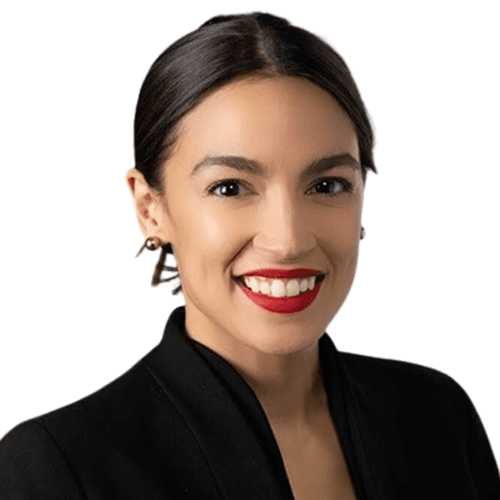
If Alexandria Ocasio-Cortez wins and accepts the nomination for the Presidency for the Democratic party, then the market resolves to Yes. Early close condition: This market will close after Democratic nominates an individual for the Presidency and they accept that nomination.


This market will resolve to “Yes” if the named individual wins and accepts the 2028 nomination of the Democratic Party for U.S. president. Otherwise, this market will resolve to “No”. The resolution source for this market will be a consensus of official Democratic Party sources. Any replacement of

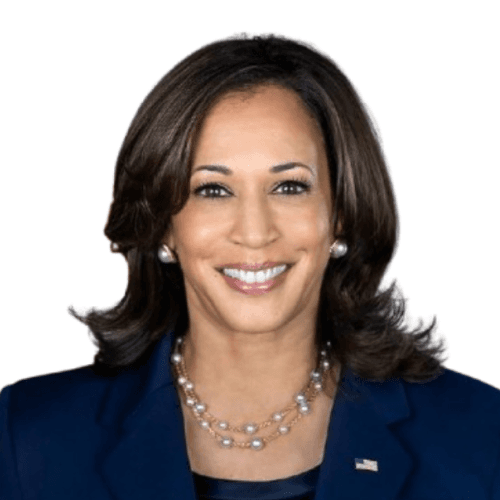
If Kamala Harris wins and accepts the nomination for the Presidency for the Democratic party, then the market resolves to Yes. Early close condition: This market will close after Democratic nominates an individual for the Presidency and they accept that nomination.


This market will resolve to “Yes” if the named individual wins and accepts the 2028 nomination of the Democratic Party for U.S. president. Otherwise, this market will resolve to “No”. The resolution source for this market will be a consensus of official Democratic Party sources. Any replacement of

If Jon Ossoff wins and accepts the nomination for the Presidency for the Democratic party, then the market resolves to Yes. Early close condition: This market will close after Democratic nominates an individual for the Presidency and they accept that nomination.


This market will resolve to “Yes” if the named individual wins and accepts the 2028 nomination of the Democratic Party for U.S. president. Otherwise, this market will resolve to “No”. The resolution source for this market will be a consensus of official Democratic Party sources. Any replacement of

If Josh Shapiro wins and accepts the nomination for the Presidency for the Democratic party, then the market resolves to Yes. Early close condition: This market will close after Democratic nominates an individual for the Presidency and they accept that nomination.
No related news found
Polymarket
$1047.72M
Kalshi
$0.00
Add this market to your website
<iframe src="https://predictpedia.com/embed/m0QVA2" width="400" height="160" frameborder="0" style="border-radius: 8px; max-width: 100%;" title="2028 Democratic nominee for President?"></iframe>