$834.09K
1
3

$834.09K
1
3
Trader mode: Actionable analysis for identifying opportunities and edge
The FED interest rates are defined in this market by the upper bound of the target federal funds range. The decisions on the target federal funds range are made by the Federal Open Market Committee (FOMC) meetings. This market will resolve according to the decisions made by the next three Federal Open Market Committee (FOMC) meetings: October 28–29, 2025; December 9–10, 2025; and January 27–28, 2026. A qualifying cut occurs when the new upper bound of the target federal funds rate is lower com
Prediction markets are expressing near-certainty that the Federal Reserve will execute a specific sequence of policy moves across its October 2025, December 2025, and January 2026 meetings. The leading market, "Will the Fed Cut–Cut–Pause in the next three decisions," is trading at 95 cents, implying a 95% probability. This price indicates traders view this precise pattern of two consecutive rate cuts followed by a hold as virtually assured. Supporting this, complementary markets pricing in scenarios with fewer cuts or a different order trade at minimal levels, consolidating liquidity and confidence around this consensus path.
The extreme market confidence stems from a clear alignment of recent economic data and Fed communication. First, inflation reports have consistently cooled toward the Fed's 2% target, with core PCE, the Fed's preferred gauge, showing sustained disinflationary momentum. This data validates the Fed's stated data-dependent approach and provides the necessary cover for initiating an easing cycle. Second, the labor market has shown measured softening, with rising unemployment and slowing job growth reducing fears that rate cuts would overheat the economy. Finally, explicit forward guidance from FOMC members has carefully telegraphed a deliberate, meeting-by-meeting easing path, making a sequenced "cut-cut-pause" rhythm the most predictable policy response to the incoming data flow.
While the market sees little room for surprise, two primary risks could dismantle the 95% consensus. An unexpected reacceleration in inflation, particularly in services or wage growth, would force the Fed to delay or abandon its projected cuts. The next major CPI and PCE prints before the October meeting are critical, high-impact catalysts. Conversely, a sudden, sharper deterioration in economic activity or a significant financial stability event could pressure the Fed to cut more aggressively than the "cut-cut-pause" script, potentially shifting odds toward a "cut-cut-cut" scenario. The market's current pricing leaves almost no margin for these alternative data outcomes, suggesting volatility could spike if reality deviates from the well-telegraphed plan.
AI-generated analysis based on market data. Not financial advice.
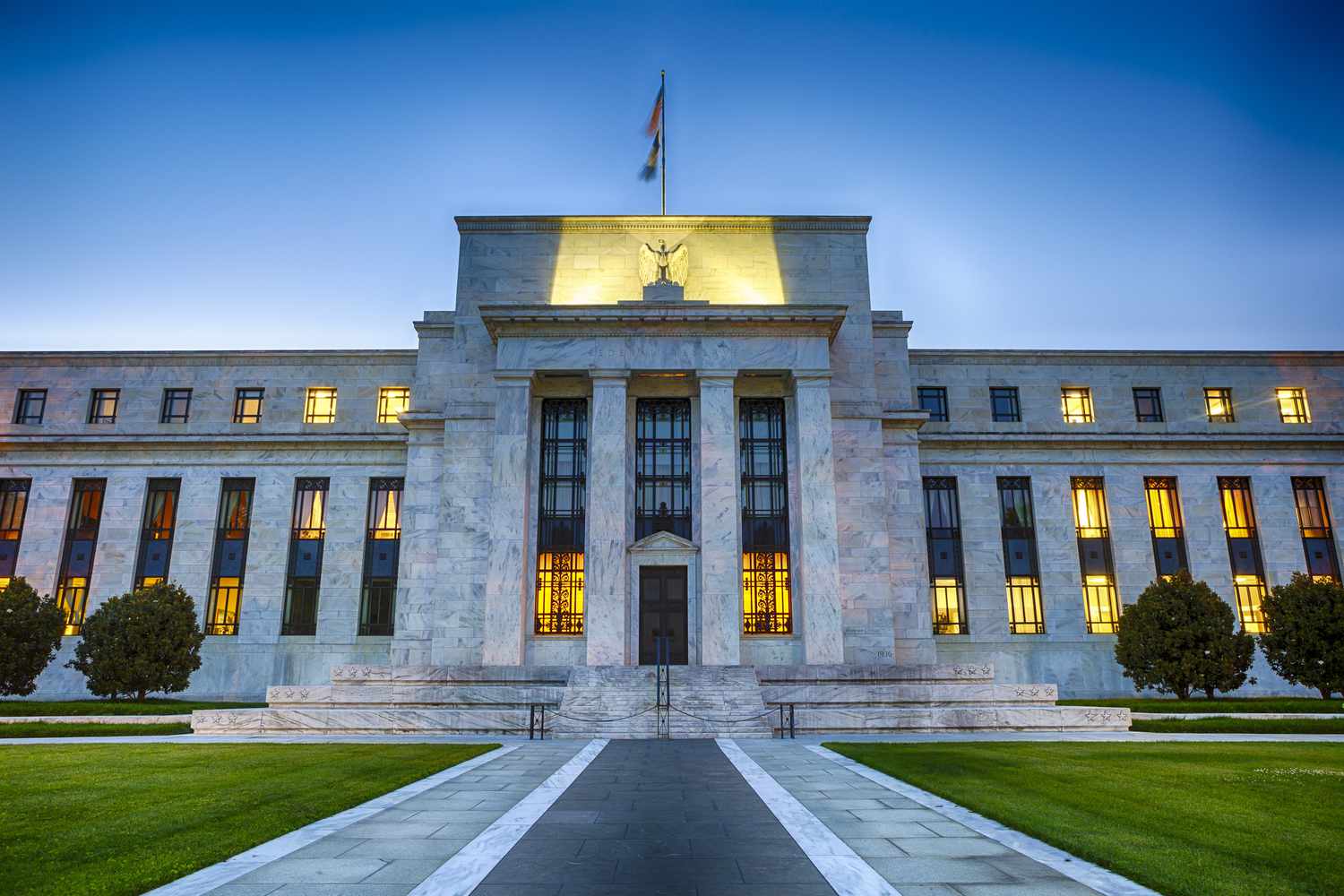
This prediction market topic focuses on the Federal Reserve's monetary policy decisions regarding the federal funds rate, specifically the upper bound of its target range, across three scheduled Federal Open Market Committee (FOMC) meetings in late 2025 and early 2026. The FOMC, the monetary policymaking body of the Federal Reserve System, sets this key interest rate to influence economic activity, inflation, and employment. The market resolves based on whether the committee implements a 'qualifying cut,' defined as a reduction in the upper bound of the target federal funds rate, at any of the three specified meetings: October 28–29, 2025, December 9–10, 2025, or January 27–28, 2026. This timeframe captures a critical period for assessing the Fed's policy trajectory as it responds to evolving economic data on inflation, growth, and labor markets. Interest in this market stems from the profound impact of Fed rate decisions on financial markets, borrowing costs for consumers and businesses, currency valuations, and the broader economic outlook. Market participants, including investors, economists, and policymakers, closely analyze FOMC communications, economic indicators, and inflation reports to forecast these decisions, making it a central focus for economic prediction.
The federal funds rate has been the Federal Reserve's primary monetary policy tool for decades. The period leading into this prediction market's timeframe is defined by the most aggressive tightening cycle since the 1980s. In response to inflation reaching a 40-year high of 9.1% in June 2022, the FOMC, under Chair Powell, began raising the federal funds rate from near zero in March 2022. Over the next two years, the committee approved 11 rate hikes, increasing the target range to 5.25%-5.50% by July 2023, a level it maintained through September 2024. This cycle was notable for its speed and size, including multiple 75-basis-point increases. Historically, the Fed has pivoted to cutting rates after inflation shows sustained signs of deceleration toward its 2% target and as economic growth moderates. For example, following the last major hiking cycle that ended in December 2018, the Fed cut rates three times in 2019 amid concerns about a global growth slowdown. The current situation invites comparisons to the 'mid-cycle adjustment' of 2019, though the starting inflation level and economic conditions are distinctly different. The market for late 2025 and early 2026 essentially bets on whether the Fed will judge that inflation is sufficiently contained to begin normalizing policy from its restrictive stance.
The Federal Reserve's interest rate decisions have cascading effects throughout the global economy. Changes in the federal funds rate directly influence interest rates for mortgages, auto loans, credit cards, and business borrowing, affecting household budgets, corporate investment decisions, and housing market activity. For financial markets, the direction of rates impacts stock valuations, bond yields, and the strength of the U.S. dollar, with implications for international trade and emerging market economies. The Fed's actions are also deeply political, as they affect economic conditions leading into election cycles. Policymakers must balance the risk of cutting rates too soon, which could reignite inflation, against the risk of keeping them too high for too long, which could unnecessarily weaken the labor market and trigger a recession. The decision to cut, hold, or hike therefore represents a high-stakes judgment on the health and trajectory of the world's largest economy, with consequences for millions of jobs, retirement savings, and the cost of living.
As of late 2024, the FOMC has held the federal funds rate steady at a 5.25%-5.50% target range for over a year, following a historic series of rate hikes. The committee's most recent communications, including the September 2024 policy statement and economic projections, indicate a data-dependent approach. Officials have stated they need greater confidence that inflation is moving sustainably toward 2% before considering rate cuts. Recent inflation reports have shown moderating but still elevated price pressures, while the labor market has shown signs of gradual cooling from its exceptionally tight post-pandemic state. Market pricing, as implied by futures contracts, suggests investors anticipate the first rate cut could occur in the first half of 2025, making the October 2025 to January 2026 window a focal point for whether that easing cycle is underway or delayed.
The federal funds rate is the interest rate at which depository institutions lend reserve balances to other banks overnight. The Fed changes this rate to influence broader economic conditions. Raising it helps cool an overheating economy and curb inflation, while lowering it stimulates borrowing, spending, and investment to support growth during downturns.
The FOMC makes decisions based on a comprehensive analysis of economic data, including inflation, employment, consumer spending, and global developments. The 12 voting members discuss these factors at their scheduled meetings and vote on a policy action. Their decision is guided by the dual mandate to promote maximum employment and stable prices.
The most critical data are inflation metrics, particularly the Core Personal Consumption Expenditures (PCE) Price Index, and labor market reports, including the unemployment rate and job growth. Sustained improvement in inflation toward the 2% target and a meaningful softening in the labor market are the primary triggers the Fed has identified for considering rate cuts.
A rate cut is an active decision by the FOMC to lower the target range for the federal funds rate. A pause, or hold, is a decision to keep the rate unchanged at its current level. In the context of this market, only a cut at the specified meetings qualifies for resolution.
Fed rate decisions significantly impact the stock market. Generally, rate cuts are viewed positively by equities because they lower borrowing costs for companies, boost economic activity, and make bonds a less attractive investment relative to stocks. Expectations of future cuts often drive market rallies in anticipation.
Educational content is AI-generated and sourced from Wikipedia. It should not be considered financial advice.
Share your predictions and analysis with other traders. Coming soon!
3 markets tracked

No data available
| Market | Platform | Price |
|---|---|---|
![]() | Poly | 95% |
![]() | Poly | 5% |
![]() | Poly | 0% |


No related news found
Add this market to your website
<iframe src="https://predictpedia.com/embed/p1sOfo" width="400" height="160" frameborder="0" style="border-radius: 8px; max-width: 100%;" title="Fed decisions (Oct-Jan)"></iframe>