$125.23K
1
22

$125.23K
1
22
Trader mode: Actionable analysis for identifying opportunities and edge
This market will resolve to "Yes" if the listed individual meets with Donald Trump between February 1, and February 28, 2026, 11:59 PM ET. Otherwise, this market will resolve to "No". A meeting is defined as any encounter where both the listed individual and Trump are present and interact with each other in person. The resolution source will be a consensus of credible reporting.
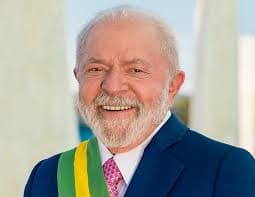
Prediction markets currently give a roughly 98% chance that Donald Trump will meet with Brazilian President Luiz Inácio Lula da Silva in 2026. In simple terms, traders see this as almost certain to happen. This level of confidence is unusually high for an event over a year away, suggesting traders see very few plausible scenarios where a meeting does not occur.
Two main factors explain the near-certain odds. First, there is a strong historical precedent. Trump and Lula met in person at the White House in 2019 during Trump's first term, establishing a direct channel. Second, the structure of international diplomacy makes a meeting likely if both are in power. Brazil is a major regional ally and a key member of the BRICS economic bloc. A U.S. president typically meets with the leader of the largest economy in South America, especially on issues like trade, climate, or regional security. The market is essentially betting that standard diplomatic protocol will prevail, regardless of the leaders' well-documented political differences.
The biggest factor is the 2024 U.S. presidential election in November. A Trump victory would make a 2026 meeting almost a diplomatic formality. If he loses, the probability would collapse to near zero. Other events that could affect the timing or context include the G20 Summit, which Brazil will host in late 2024, and the COP30 climate conference, scheduled for Belém, Brazil, in late 2025. A Trump visit to either event as president-elect or president would likely include a meeting with Lula.
Markets are generally reliable at forecasting high-probability diplomatic events like leader-to-leader meetings, as they are often scheduled routine affairs. The 98% probability, however, is less a precise forecast and more a reflection of the market's design. It heavily prices in the assumption that Trump will win the 2024 election. If that assumption proves wrong, the prediction would be incorrect. The main limitation here is that the market is currently forecasting two connected events: a Trump election win and a subsequent meeting. The high confidence is for the combined outcome, not the meeting in isolation.
Prediction markets assign a 98% probability that Donald Trump will meet with Brazilian President Luiz Inácio Lula da Silva in 2026. This price, trading at 98¢ for "Yes" on Polymarket, indicates near-certainty. The market sees a personal meeting as almost guaranteed, barring a major geopolitical rupture or health crisis. With $196,000 in total volume across related markets, this specific contract has enough liquidity to reflect a consensus view rather than speculative noise.
The extreme confidence stems from established diplomatic norms and recent political reality. Both leaders are heads of major Western Hemisphere nations and G20 members. Institutional engagement between the US and Brazil, especially on trade and Amazon policy, creates a baseline expectation for leaders to confer. A 2024 Brookings Institution report on US-Brazil relations noted that despite profound personal and ideological differences, both administrations have maintained functional channels. The market is pricing in the strength of the office over the individual. Historical precedent is clear: every US president since Bill Clinton has met with a sitting Brazilian president. Traders are betting that institutional gravity will pull the two leaders into a room, regardless of their well-documented mutual disdain expressed publicly in 2023 and 2024.
The 2% implied chance of "No" covers tail-risk scenarios. A significant escalation in rhetoric leading to a formal diplomatic rift could cancel planned engagements. A more plausible risk is scheduling. The meeting must occur within the 2026 calendar year. If Trump loses the 2024 election, he would be a private citizen for all of 2026, making a formal, reportable meeting with a sitting head of state less automatic. However, the market's 98% price suggests traders heavily discount this, likely anticipating that a post-presidency Trump would still command meetings due to his political influence. The main catalyst for a price drop would be a definitive, publicly canceled meeting or a major health issue preventing travel for either man.
AI-generated analysis based on market data. Not financial advice.
This prediction market asks whether specific individuals will meet with former President Donald Trump during February 2026. The market resolves based on verified, in-person interactions reported by credible media sources. The question is significant because Trump's meetings, both during his presidency and after, have consistently served as indicators of his political strategy, policy priorities, and potential alliances for a future presidential campaign. As a leading figure in the Republican Party and a declared candidate for the 2024 election, his schedule is scrutinized for signals about his intentions and influence. Interest in his February 2026 engagements stems from its timing. February 2026 would follow the 2024 presidential election and the first year of the next presidential term. If Trump is not president, his meetings could reveal his role as a party leader, his policy advocacy, or his preparations for another political endeavor. If he is president, February meetings would be part of his official schedule, offering clues about his administration's focus. Observers track these interactions to gauge his relationships with domestic political figures, foreign leaders, business executives, and media personalities.
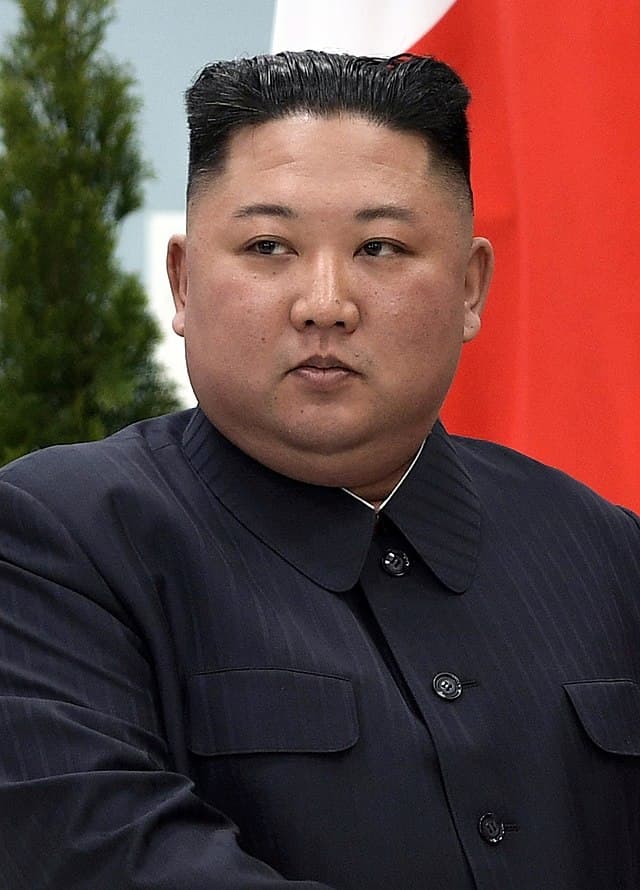
Donald Trump's meeting history provides essential context. During his presidency (2017-2021), his schedules were published by the White House and showed a pattern of meetings with foreign leaders like North Korea's Kim Jong Un (three in-person summits in 2018-2019) and domestic political figures at his properties. As president, he held over 50 one-on-one meetings with world leaders at international summits like the G7 and UN General Assembly. After leaving office, Trump's meetings have been less formally documented but widely reported by media following his activities. Key precedents include his April 2021 meeting at Mar-a-Lago with House Republican Leader Kevin McCarthy, his July 2021 meeting with Hungarian Prime Minister Viktor Orbán, and his frequent consultations with endorsed candidates during the 2022 midterm cycle. The nature of these post-presidency meetings shifted from official diplomacy to political strategy, legal coordination, and business. The precedent set is that Trump continues to hold meetings that generate news coverage, making February 2026 a plausible timeframe for newsworthy interactions. The definition of a 'meeting' for this market aligns with how journalists have historically verified such encounters, relying on photographs, official statements, or multiple source confirmation.
The outcome of these prediction markets matters because it provides quantifiable insight into political forecasting. Traders are effectively betting on the probability of specific geopolitical and domestic political events. A high probability price on a meeting with a foreign leader like Putin would signal that market participants assign significant likelihood to a diplomatically explosive event, which could influence policy analysts and journalists. Conversely, prices on meetings with domestic figures like McConnell reflect the market's collective judgment on internal Republican Party dynamics. These markets aggregate dispersed information. The results can also have real-world implications. Sustained high probabilities for certain meetings might lead journalists to investigate potential planned engagements or signal to political actors the level of public expectation. For businesses and investors, understanding Trump's network and influence through his associations can inform decisions related to regulatory environments, particularly in sectors like media, technology, and finance where he remains an influential voice.
As of late 2023, Donald Trump is the leading candidate for the Republican presidential nomination for the 2024 election. His current schedule is dominated by campaign rallies, court appearances related to his indictments, and private meetings at his properties. The most recent high-profile meetings reported by outlets like Reuters and The Washington Post in late 2023 have been with Republican lawmakers discussing government funding and with potential witnesses in his legal cases. The outcome of the 2024 election will fundamentally shape his status and schedule in February 2026, making the current political climate the primary variable for this future prediction.
A meeting requires an in-person encounter where both Trump and the other listed individual are physically present and interact. Brief handshakes in a crowd or passing in a hallway without substantive interaction typically do not qualify. The resolution relies on consensus reporting from multiple credible news organizations confirming the encounter.
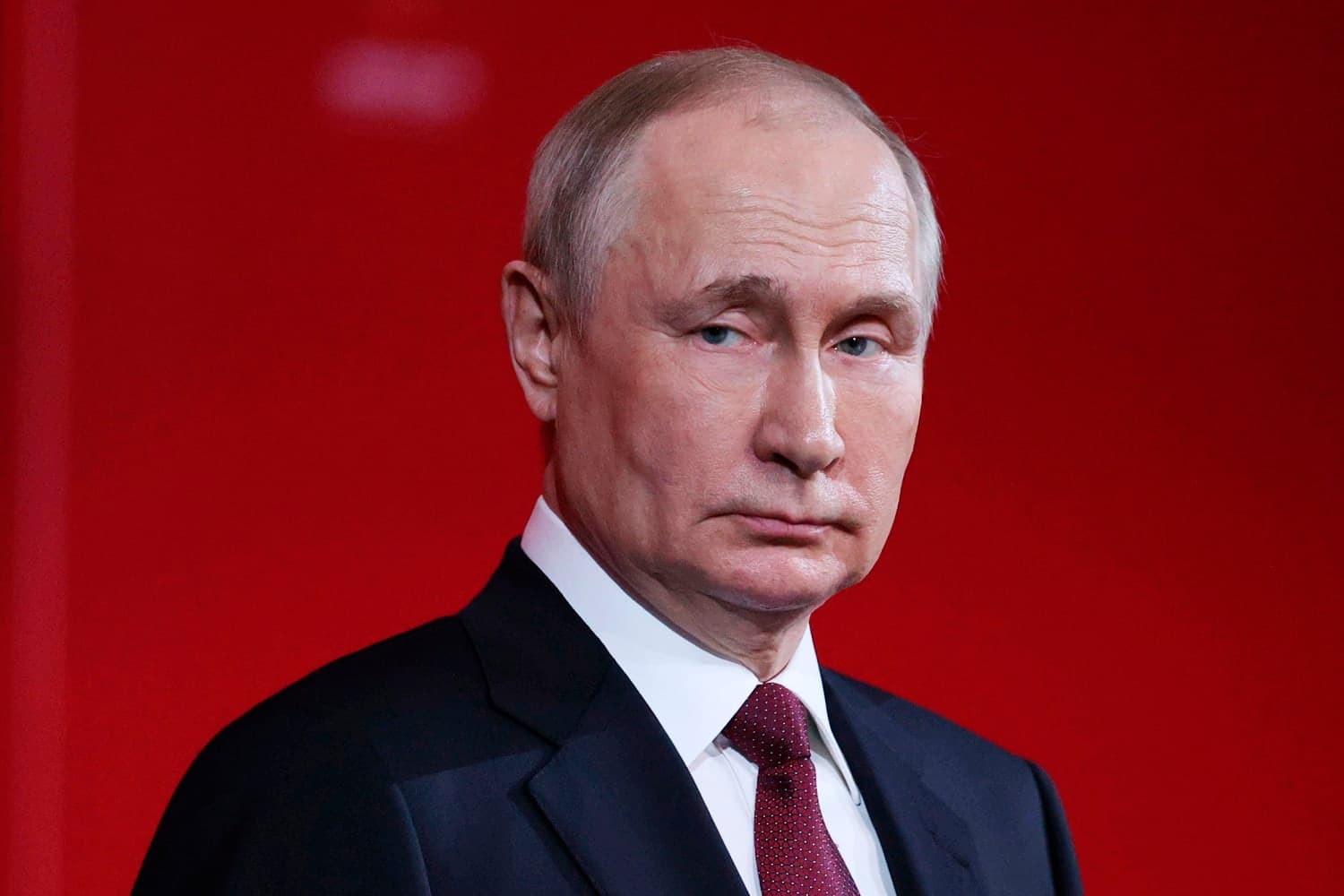
No. There are no publicly confirmed reports of Donald Trump meeting with Vladimir Putin since Trump left the presidency in January 2021. Any such meeting would be a major international news event given the ongoing war in Ukraine and U.S. sanctions on Russia.
Trump frequently holds meetings at his private clubs, especially Mar-a-Lago in Palm Beach, Florida, and at Trump Tower in New York City. These locations have served as informal political headquarters and venues for fundraisers and strategy sessions since he left the White House.
Markets like these rely on a consensus of credible reporting. This means multiple established news organizations, such as Associated Press, Reuters, or major U.S. newspapers, must independently confirm the meeting occurred. Official statements from Trump's organization or the other individual can also serve as evidence.
February 2026 falls after the 2024 presidential election and the first year of the next presidential term. It is a period when political strategies for the 2026 midterm elections are being formed, and a former or current President Trump's meetings would be highly indicative of his political focus and influence.
Educational content is AI-generated and sourced from Wikipedia. It should not be considered financial advice.
22 markets tracked

No data available
| Market | Platform | Price |
|---|---|---|
![]() | Poly | 33% |
![]() | Poly | 28% |
![]() | Poly | 26% |
![]() | Poly | 14% |
![]() | Poly | 8% |
![]() | Poly | 7% |
![]() | Poly | 6% |
![]() | Poly | 4% |
![]() | Poly | 4% |
![]() | Poly | 3% |
![]() | Poly | 3% |
![]() | Poly | 3% |
![]() | Poly | 2% |
![]() | Poly | 1% |
![]() | Poly | 1% |
![]() | Poly | 1% |
![]() | Poly | 0% |
![]() | Poly | 0% |
![]() | Poly | 0% |
![]() | Poly | 0% |
![]() | Poly | 0% |


No related news found
Add this market to your website
<iframe src="https://predictpedia.com/embed/qKKtva" width="400" height="160" frameborder="0" style="border-radius: 8px; max-width: 100%;" title="Who will Trump meet with in February?"></iframe>