$195.82K
1
9

$195.82K
1
9
Trader mode: Actionable analysis for identifying opportunities and edge
The Incheon mayoral election is scheduled to take place in Incheon, South Korea on June 3, 2026 to elect the next mayor of Incheon. This market will resolve according to the candidate that wins this election. If the result of this election isn't known by December 31, 2026, 11:59 PM ET, the market will resolve to "Other". This market will resolve based on the result of the election as indicated by a consensus of credible reporting. If there is ambiguity, this market will resolve based solely
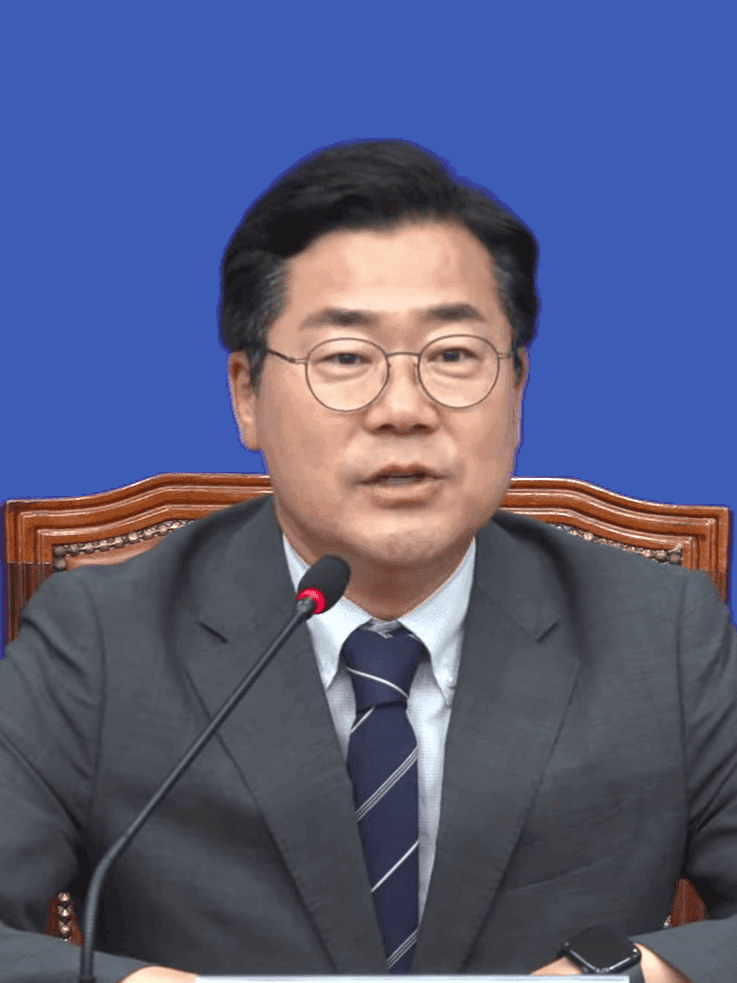
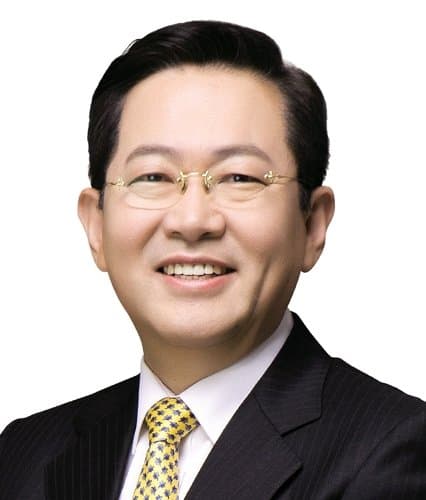
Prediction markets currently give Park Chan-dae a 92% chance of winning the Incheon mayoral election on June 3, 2026. In simple terms, traders see this as nearly certain, with odds similar to expecting sunny weather on a clear summer day. This high probability suggests the collective view is that Park is the overwhelming favorite, and a surprise victory by another candidate would be a major political upset.
Park Chan-dae is the incumbent mayor, having won a special election in 2023. In South Korean local politics, incumbents often have a strong advantage, especially when they belong to the ruling party, as Park does with the Democratic Party of Korea. The market odds reflect confidence in this structural advantage.
The high probability also likely accounts for the current political landscape in Incheon and the broader Seoul Capital Area. The Democratic Party has performed well here in recent national and local elections. There is no clear, unified challenger from the main opposition People Power Party that has gained significant traction in early polling or public discussion, which the market interprets as a lack of a viable alternative.
The main event is Election Day itself, June 3, 2026. Official campaigning will begin in the weeks prior, but the most important signals will come earlier.
Watch for the official candidate registration period in mid-to-late May 2026. A strong, unified opposition candidate emerging could shift odds. Also monitor any major public opinion polls released in April or May 2026. A significant scandal or a dramatic shift in national political sentiment affecting the ruling party's popularity could also change the forecast before June.
Prediction markets have a solid track record in forecasting election outcomes, especially when they show such a strong consensus this far in advance. They often outperform traditional polls by aggregating many viewpoints and financial incentives.
However, the election is still over two months away, which is a long time in politics. These markets are best at capturing the current state of information. A sudden health issue, an unexpected corruption investigation, or a national crisis could quickly reshape the race. The 92% chance is a snapshot of today's expectations, not a guarantee.
Prediction markets assign a 92% probability that Park Chan-dae will win the 2026 Incheon mayoral election. At this price, the market views his victory as nearly certain. This high confidence is reflected in the substantial $196,000 in trading volume across related markets on Polymarket, indicating strong liquidity and trader conviction. The remaining 8% chance is split among potential opponents or an "Other" outcome.
Park Chan-dae is the incumbent mayor from the ruling Democratic Party of Korea, and historical precedent in South Korean local politics strongly favors incumbents seeking re-election. His current polling in the region shows a consistent and significant lead. The market pricing also reflects the broader political environment where the opposition party, the People Power Party, has struggled to consolidate a competitive challenger in Incheon. Major media outlets have begun framing the race as Park's to lose, which reinforces the betting consensus. Traders are pricing in the advantage of name recognition and the operational record of an incumbent in a major metropolitan area.
A significant scandal involving Mayor Park before the June 3rd election date would be the primary threat to the current market consensus. The emergence of a unified, charismatic opposition candidate could also tighten the race, though this appears unlikely given the lead time. National political shifts, such as a sharp decline in approval ratings for the national Democratic Party administration, could impact local races. The market resolves based on credible reporting of the election result, so any legal challenges or disputes over the vote count post-election could delay resolution, but are not currently factored into the high probability for a Park win. Monitoring opposition party primaries and policy failures in Incheon over the next three months will be critical.
AI-generated analysis based on market data. Not financial advice.
The Incheon mayoral election on June 3, 2026, will determine the next leader of South Korea's third-largest city and a major international transportation hub. This election is a local administrative contest, but it carries significant national political weight as Incheon is a key battleground in the broader rivalry between the conservative People Power Party and the liberal Democratic Party of Korea. The mayor oversees a metropolitan city with a population of approximately 2.9 million people and a budget of over 10 trillion won, managing critical infrastructure like Incheon International Airport and the Port of Incheon. The election occurs every four years, and the winner will serve a four-year term starting in July 2026. Interest in the race is high because Incheon's economic performance and policy direction often influence national political trends, and the outcome is seen as a bellwether for the next presidential election cycle. The previous election in 2022 was won by Yoo Jeong-bok of the People Power Party, who defeated the Democratic Party's candidate by a margin of about 4.5 percentage points. The 2026 race will test whether the conservative party can maintain its hold on the city or if the opposition can reclaim a historically competitive region.
Incheon's modern political history has been competitive, with power alternating between conservative and liberal parties. The direct election of mayors for metropolitan cities began in 1995. From 1995 to 2010, Incheon was predominantly led by mayors from the conservative party, including Ahn Sang-soo who served from 2002 to 2010. This period coincided with the development and opening of Incheon International Airport in 2001, a project that transformed the city's economy. The liberal party won the mayoralty in 2010 with Song Young-gil, who served until 2014. His administration emphasized cultural projects and international cooperation. The 2014 election was won by Yoo Jeong-bok of the conservative Saenuri Party (now People Power Party), but he resigned in 2018 amid a sexual harassment scandal. A by-election in 2018 brought Park Nam-chun of the Democratic Party to power, reflecting the national political shift during the Moon Jae-in presidency. Yoo Jeong-bok returned to win a 2021 by-election and the 2022 general election, restoring conservative control. This volatility shows Incheon is a swing city that often mirrors national political changes, making each election a closely watched contest.
The Incheon mayoral election matters because the city is an economic engine for South Korea, responsible for nearly 80% of the country's air cargo and a major hub for trade and manufacturing. The mayor's policies directly affect the operation and expansion of Incheon International Airport, the Port of Incheon, and three national free economic zones, which together account for a significant portion of national GDP. A change in leadership can shift investment priorities, international partnerships, and regulatory approaches for these critical infrastructures. Politically, the outcome influences the balance of power in the National Assembly, as Incheon elects multiple legislators. A win for either major party is interpreted as a measure of public sentiment ahead of the next presidential election in 2027. For residents, the election determines local issues like housing affordability, public transportation expansions such as subway lines, and environmental policies for coastal areas. The mayor also oversees a budget of approximately 11.2 trillion won (about $8.3 billion), which funds education, social welfare, and urban development projects affecting nearly 3 million people.
As of early 2025, the election is approximately 18 months away, and no official candidates have declared their candidacy. The incumbent mayor, Yoo Jeong-bok, has not publicly announced whether he will seek re-election, though he is eligible for a third term. Both major political parties, the People Power Party and the Democratic Party of Korea, are in early stages of internal discussions regarding potential candidates and campaign strategies. Local issues likely to dominate the campaign include ongoing debates about expanding Incheon's subway lines, particularly Line 2, managing housing prices in new development areas like Songdo International City, and environmental concerns related to coastal development. National political dynamics, including President Yoon Suk Yeol's approval ratings and the opposition's cohesion, will also shape the race in the coming months.
The election is scheduled for June 3, 2026. This is the official date set by the National Election Commission for local elections across South Korea, which include mayoral, gubernatorial, and local council positions.
The current mayor is Yoo Jeong-bok of the People Power Party. He was first elected in a 2021 by-election and won a full term in the 2022 local elections. His term expires in June 2026.
The mayor is elected through a direct popular vote by registered residents of Incheon. The candidate who receives the most votes wins a four-year term. If no candidate receives a majority, a runoff may be held, though this is rare.
Key issues typically include economic development around Incheon International Airport and the port, public transportation expansion, housing affordability, and environmental management of coastal areas. Specific projects like subway line extensions often feature prominently.
Yes, Mayor Yoo Jeong-bok is eligible to run for re-election. South Korean law allows metropolitan mayors to serve up to three consecutive terms, each lasting four years. He has served two terms as of 2025.
Incheon is politically important as a large swing city that often predicts national trends. It is South Korea's third-largest city with nearly 3 million people and houses critical infrastructure, making it a priority for both major parties.
Educational content is AI-generated and sourced from Wikipedia. It should not be considered financial advice.
9 markets tracked

No data available
| Market | Platform | Price |
|---|---|---|
![]() | Poly | 92% |
![]() | Poly | 3% |
![]() | Poly | 2% |
![]() | Poly | 1% |
![]() | Poly | 1% |
![]() | Poly | 0% |
![]() | Poly | 0% |
![]() | Poly | 0% |
![]() | Poly | 0% |


No related news found
Add this market to your website
<iframe src="https://predictpedia.com/embed/qu5lU_" width="400" height="160" frameborder="0" style="border-radius: 8px; max-width: 100%;" title="Incheon Mayoral Election Winner"></iframe>