Events
GroupPOLYMARKET
Event GroupPOLYMARKETEconomy
Will USD reach 1.7M Iranian rials by February 28?
Total Volume
$348.76K
Events
1
Markets
1
Will USD reach 1.7M Iranian rials by February 28?
Platform StatsQuick Platform Comparison
Polymarket
1
markets · $348.76K
Kalshi
0
markets · $0.00
Price Spread
0.0%avg
max 0.0%
Arbitrage
0
of 0 cross-platform
Volume DistributionTotal: $348.76K
100%
Polymarket leads
Price ChartMatched Markets Price Graph
1 market tracked
Will USD reach 1.7M Iranian rials by February 28?
No data available
Single-Platform Markets(1)
| Market | Platform | Price |
|---|---|---|
| Poly | 99% |
AI Analysis
Trader mode: Actionable analysis for identifying opportunities and edge
99%
Top Probability
$348.76K
Volume
1
Markets
1
Platforms
About This Event
This market will resolve to “Yes” if the finalized USD exchange rate on Bonbast reaches or exceeds 170,000 Iranian toman (equivalent to 1,700,000 Iranian rials) at any point between market creation and February 28, 2026. Otherwise, this market will resolve to “No”. This market will resolve according to the daily finalized free-market USD exchange rate as displayed on Bonbast (https://www.bonbast.com/graph/usd), which publishes prices in Iranian toman, where 1 Iranian toman equals 10 Iranian ria
What Prediction Markets Are Forecasting
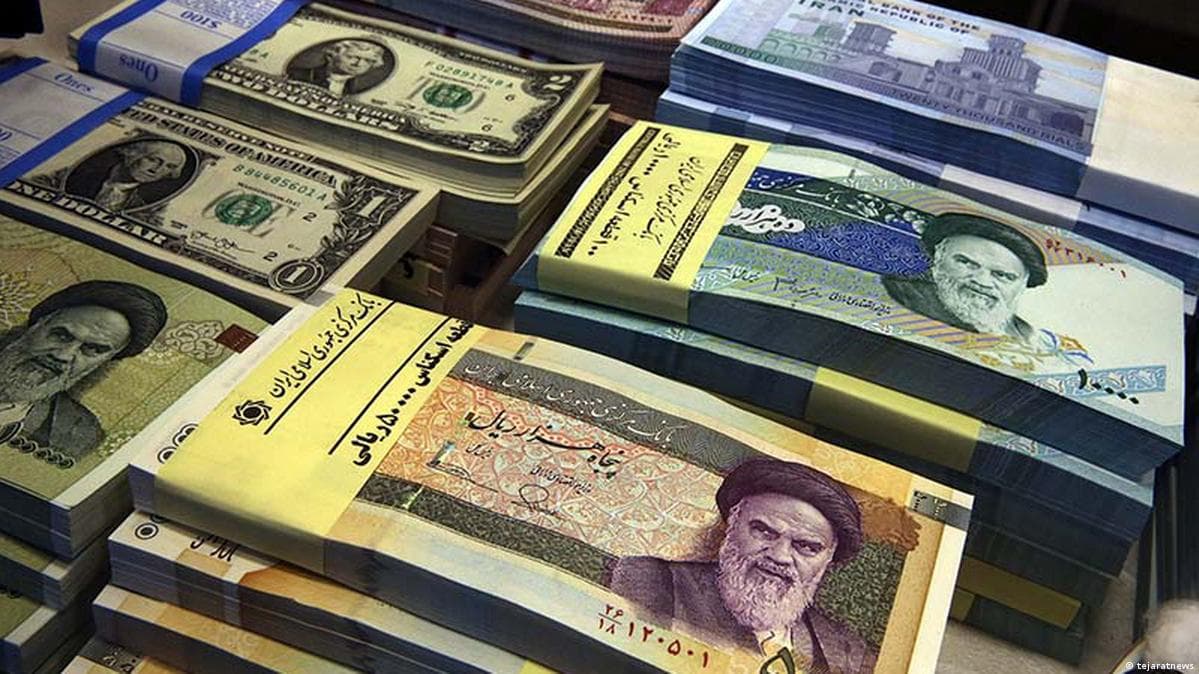
Traders on prediction markets currently believe it is almost certain the US dollar will reach an exchange rate of 1.7 million Iranian rials by February 28, 2026. The market assigns a 93% probability to this outcome, which translates to a belief that there is roughly a 9 in 10 chance it will happen. This shows an extremely high level of collective confidence that the Iranian rial will continue its severe depreciation against the dollar within the next two years.
Why the Market Sees It This Way
The forecast is rooted in Iran's persistent economic challenges. First, the country faces high inflation, which has been a long-term issue. Official estimates often understate the problem, but independent analysts frequently cite annual inflation rates well above 40%. This steadily erodes the rial's purchasing power.
Second, Iran's economy remains constrained by international sanctions, particularly those affecting oil exports and access to the global financial system. These sanctions limit the government's ability to earn foreign currency, creating a shortage of dollars within Iran. This scarcity drives up the dollar's price on the unofficial market where Bonbast gets its rate.
Finally, there is little expectation for a near-term reversal of these core economic pressures. Historical trends show the rial has lost over 90% of its value against the dollar in the past decade, and traders are betting this trajectory will continue.
Key Dates and Events to Watch
While the market deadline is in February 2026, the price could reach the target much sooner. Watch for two types of events. One is domestic unrest or protests related to the economy, which can trigger rapid sell-offs of the rial. The other is developments in international diplomacy, such as the status of nuclear deal negotiations or the potential for new sanctions. Any major breakdown in talks or escalation of tensions could cause the rial to fall faster. Conversely, an unexpected diplomatic breakthrough that lifts key sanctions could slow the decline, though the market currently views this as unlikely.
How Reliable Are These Predictions?
Prediction markets are generally reliable for forecasting events with clear, verifiable outcomes like exchange rate thresholds. They aggregate many independent views, which often makes them more accurate than individual experts. For currency events in unstable economies, they tend to effectively price in long-term trends and the high probability of continued stress. However, a major limitation is that they can sometimes underestimate the potential for sudden political shifts or unexpected international agreements. The 93% probability indicates traders see very few plausible paths for the rial to avoid this level of depreciation.
Current Market Outlook
Prediction markets assign a 93% probability that the US dollar will reach 1.7 million Iranian rials by February 28, 2026. This price, equivalent to 170,000 Iranian toman on the Bonbast free-market rate, reflects near-certainty among traders. With only a 7% implied chance of the event not occurring, the market views this threshold not as a possibility but as an inevitability. The contract has attracted $231,000 in volume, indicating significant capital backing this consensus view.
Key Factors Driving the Odds
The extreme pricing is a direct reflection of Iran's persistent hyperinflation and currency crisis. The rial has lost over 50% of its value against the dollar in the past year alone, with the unofficial rate frequently setting new record lows. This depreciation is structural, driven by prolonged international sanctions that cripple oil exports and access to global finance, rampant government money printing to fund deficits, and a widespread lack of confidence in the domestic economy. The Central Bank of Iran's official rate, a fraction of the free-market value, is irrelevant for most transactions, cementing the Bonbast rate as the true benchmark. Historical trends show the rial's decline accelerates during periods of renewed geopolitical tension or failed nuclear deal negotiations, creating consistent one-way pressure.
What Could Change These Odds
A dramatic reversal in the current trajectory appears remote, but a "No" outcome would require an unprecedented shift. The primary catalyst for stronger rial valuation would be a successful revival of the JCPOA nuclear deal, leading to a swift lifting of key US sanctions and the unfreezing of tens of billions in Iranian assets abroad. This would provide immediate hard currency liquidity and could temporarily stabilize the market. Conversely, the 93% "Yes" probability could still underestimate the pace of collapse. Escalating regional conflict involving Iran, a total breakdown in nuclear diplomacy, or a sudden internal political crisis could cause the rial to breach the 1.7 million target well before the February 2026 deadline. The market's long timeframe already prices in continued decay, making any sustained rally before 2026 the only genuine surprise.
AI-generated analysis based on market data. Not financial advice.