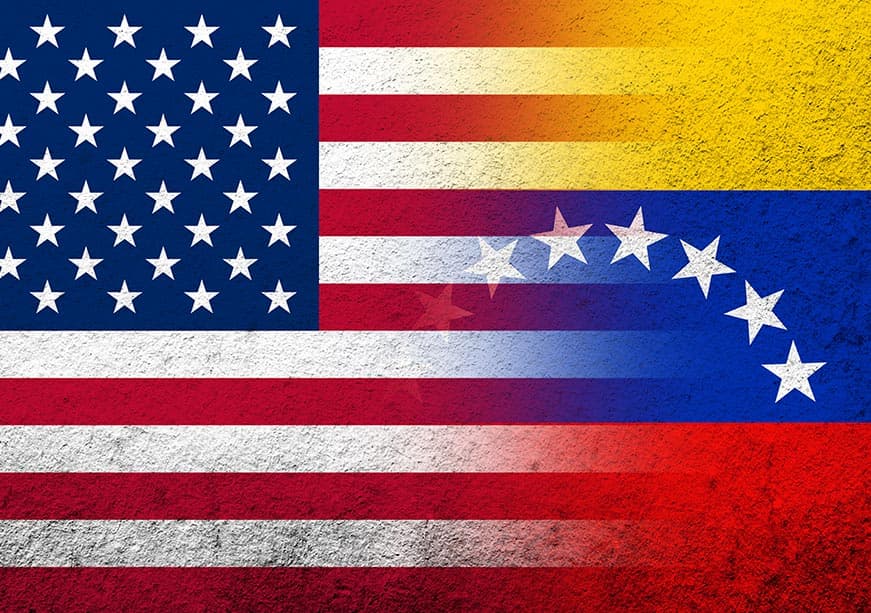
Will Venezuela become 51st state?
PM $398.9K
1
1
Will Venezuela become 51st state?
PM $398.9K
1
1
Current odds
Snapshot from
As of Oct 26, 2026, 9:00 PM UTC, Yes is priced at 2.3% on Polymarket.
Polymarket
- Yes2.3%
Yes prices. They are not order quotes; check each platform's rules, fees and live prices before trading.
AI Analysis
Trader mode: Market mechanics, assumptions and risks
PM $398.9K
Reported volume · provider units
1
Saved contracts
0
Same-question pairs
Source snapshot: Oct 26, 2026, 9:00 PM UTC
About This Event
This market will resolve to "Yes" any portion of Venezuela is formally annexed into the United States of America and becomes the 51st state between January 3, 2026, and December 31, 2026, 11:59 PM ET. Otherwise, this market will resolve to "No". An official agreement that is announced will suffice to resolve this market to "Yes", regardless of when it is slated to go into effect. If any territory that includes no portion of Venezuelan land is made the 51st US state within this market's timeframe, this market will immediately resolve to "No". The primary resolution source for this market will be information from the government of the United States, however a consensus of credible reporting will also be used.
AI-generated analysis based on market data. Not financial advice.
AI-written background. References identify the evidence used; Wikipedia links under Learn More are additional reading. Prices and provider rules are dated snapshots. This is not financial advice.
Related prediction markets
Prices are catalog snapshots and may have changed. Check each market's rules and observation time.
Who will officially lead Venezuela at the end of 2026?
PM $98.97M · K 5.84M contractsWill Nicolás Maduro be the leader of Venezuela end of 2026?
Kalshi: Will Nicolás Maduro be the head of state of Venezuela on Dec 31, 2026?
Related contracts
Will Delcy Rodríguez be the leader of Venezuela end of 2026?
Kalshi: Will Delcy Rodríguez be the head of state of Venezuela on Dec 31, 2026?
Related contracts
Will María Corina Machado be the leader of Venezuela end of 2026?
Kalshi: Will María Corina Machado be the head of state of Venezuela on Dec 31, 2026?
Related contracts
Related or unreviewed contracts may settle differently. Their gap is not an equivalent-contract comparison.
Saved prices; check contract rules.

Who will de facto lead Venezuela at the end of 2026?
K 37.3K contracts
What countries will Marco Rubio visit in 2026?
K 89.0K contracts
Will Trump add a 51st state to the US?
K 87.8K contracts
What will Mark Carney say during NYT DealBook Summit?
K 681.62 contracts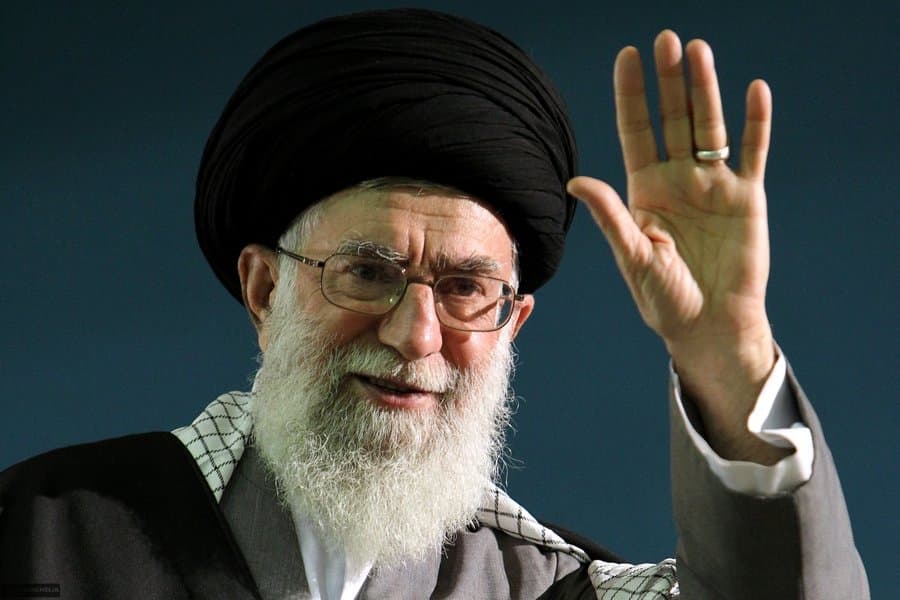
Iran leader end of 2026?
PM $40.50MMarket Insights
Price gaps of 2 pp+
0
Same-question pairs
0
No outcomes on this page have been reviewed as the same question on both platforms yet.
Price differences do not establish arbitrage. Check each pair's review, current order prices, fees and settlement rules.