$17.84K
1
1

1 market tracked

No data available
| Market | Platform | Price |
|---|---|---|
![]() | Poly | 13% |
Trader mode: Actionable analysis for identifying opportunities and edge
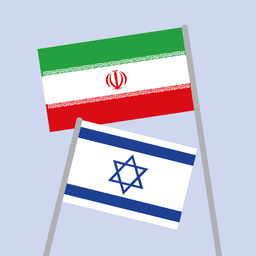
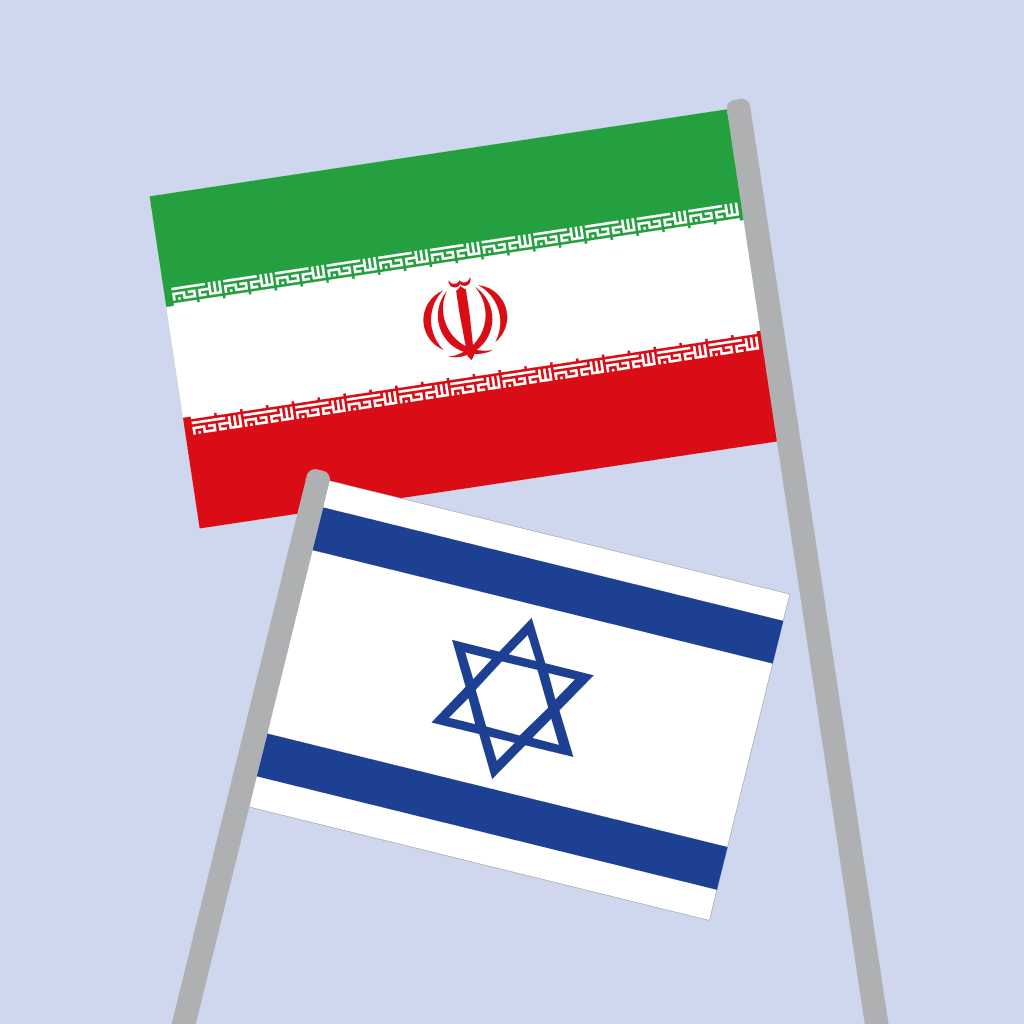
This market will resolve to "Yes" if the Israeli government announces the reopening/opening of any embassy or consulate in Iran, or if such a reopening/opening is otherwise confirmed, by December 31, 2026, 11:59 PM ET. Otherwise, this market will resolve to "No". An official announcement made within this market’s timeframe will qualify for a "Yes" resolution regardless of whether an actual embassy or consulate opening subsequently takes place within the timeframe. Any opening of an Israeli emb
AI-generated analysis based on market data. Not financial advice.
$17.84K
1
1
This prediction market asks whether Israel will reopen or open any diplomatic mission in Iran by the end of 2026. The question centers on the potential for a dramatic reversal in one of the world's most entrenched and hostile bilateral relationships. Israel and Iran have not maintained formal diplomatic relations since 1979, following the Iranian Revolution. The market resolves to 'Yes' based on an official Israeli government announcement or other confirmation of an embassy or consulate opening, regardless of whether the physical opening occurs within the timeframe. The possibility of such a diplomatic breakthrough is considered extremely remote by most regional analysts, given decades of proxy conflict, nuclear tensions, and direct military confrontations. Interest in the topic stems from its status as a potential bellwether for a fundamental geopolitical realignment in the Middle East. A positive resolution would signal an unprecedented de-escalation, likely requiring concessions on Iran's nuclear program, its support for militant groups like Hezbollah, and its stated objective to eliminate the Israeli state. The market allows observers to quantify the perceived probability of this low-likelihood, high-impact event.
Diplomatic relations between Iran and Israel were formally established in 1950, under the rule of Shah Mohammad Reza Pahlavi. Israel maintained an embassy in Tehran, and the two countries were regional allies, with cooperation spanning agriculture, security, and intelligence. This alliance collapsed abruptly with the 1979 Islamic Revolution. The new revolutionary government, led by Ayatollah Ruhollah Khomeini, severed all ties, designated Israel an enemy, and transferred the Israeli embassy compound to the Palestine Liberation Organization. The relationship descended into overt hostility during the 1980-1988 Iran-Iraq War, when Israel provided military support to Iraq. The subsequent decades have been defined by shadow war. Iran built a network of proxy militias, including Hezbollah in Lebanon and groups in Gaza, positioned on Israel's borders. Israel, in turn, has been accused of conducting a sustained campaign of sabotage and assassinations targeting Iran's nuclear program and military personnel. Notable incidents include the 1992 bombing of the Israeli embassy in Buenos Aires, attributed to Hezbollah and Iran, and the 2020 assassination of Iranian nuclear scientist Mohsen Fakhrizadeh, blamed on Israel. There have been no serious, public diplomatic talks between the two states in over 40 years.
The reopening of an Israeli embassy in Iran would represent the most significant diplomatic realignment in the Middle East since the 1979 Egyptian-Israeli peace treaty. It would fundamentally alter the region's security architecture, potentially neutralizing a primary axis of conflict that has fueled wars in Lebanon, Syria, and Gaza. Such a move could lead to the disarmament or political integration of Iranian proxy groups like Hezbollah, directly reducing the threat of cross-border attacks on Israeli cities. Economically, normalization could unlock substantial trade and investment. Iran possesses the world's second-largest natural gas reserves and a large consumer market, while Israel offers advanced technology in fields like agriculture, water management, and cybersecurity. A diplomatic breakthrough would also reshape global energy markets and recalibrate the strategic calculations of regional powers like Saudi Arabia and Turkey. For the Iranian populace, which includes a significant youth demographic with mixed attitudes toward the government's foreign policy, open relations could facilitate cultural and academic exchanges long severed by hostilities.
As of late 2024, relations remain at a historic low point. The conflict has escalated from a shadow war to direct military exchanges. In April 2024, Iran launched over 300 drones and missiles at Israel in retaliation for an airstrike on its consulate in Damascus. Israel responded with a limited counterstrike inside Iran. This marked the first direct Iranian attack from its own territory and the first Israeli strike on Iranian soil. Nuclear diplomacy is stalled, with the 2015 Joint Comprehensive Plan of Action effectively defunct. Iran continues to enrich uranium at high levels, and Israel continues its campaign of covert operations. There are no publicly known back-channel negotiations between the two governments. The Israeli government remains committed to a policy of confronting Iranian regional influence and preventing nuclear weapons capability by any means necessary.
Israel maintained an embassy in Tehran until February 1979, following the Iranian Revolution. Iran's embassy in Tel Aviv was closed at the same time. The two countries have had zero formal diplomatic relations for over four decades.
It would require Iran to fundamentally alter its regional policy, including ending support for militant groups like Hezbollah and Hamas, and providing verifiable guarantees to halt its nuclear weapons program. Israel would need to accept Iran as a legitimate regional actor, a major shift from its current security doctrine.
There have been sporadic, unconfirmed reports of clandestine contacts, often mediated by third parties like Oman. However, no such talks have ever been officially acknowledged by either government, and they have not led to any public diplomatic progress.
Israel vehemently opposed the 2015 nuclear deal, arguing it did not permanently block Iran's path to a bomb and fueled its proxy wars. The deal's collapse and Iran's subsequent nuclear advances have deepened Israeli suspicions, making diplomacy even less likely.
The Islamic Republic of Iran does not recognize the State of Israel. Supreme Leader Ali Khamenei and other officials frequently refer to Israel as a 'false Zionist regime' that will disappear, a position enshrined in state ideology.
Educational content is AI-generated and sourced from Wikipedia. It should not be considered financial advice.
No related news found
Add this market to your website
<iframe src="https://predictpedia.com/embed/uPUzIJ" width="400" height="160" frameborder="0" style="border-radius: 8px; max-width: 100%;" title="Will Israel reopen its embassy in Iran in 2026?"></iframe>