Events
GroupPOLYMARKET
Event GroupPOLYMARKETPolitics
Will Israel strike Greater Beirut by...?
Total Volume
$236.71K
Events
1
Markets
1
Will Israel strike Greater Beirut by...?
Platform StatsQuick Platform Comparison
Polymarket
1
markets · $236.71K
Kalshi
0
markets · $0.00
Price Spread
0.0%avg
max 0.0%
Arbitrage
0
of 0 cross-platform
Volume DistributionTotal: $236.71K
100%
Polymarket leads
Price ChartMatched Markets Price Graph
1 market tracked
Will Israel strike Greater Beirut by March 31, 2026?
No data available
Single-Platform Markets(1)
| Market | Platform | Price |
|---|---|---|
| Poly | 45% |
AI Analysis
Trader mode: Actionable analysis for identifying opportunities and edge
45%
Top Probability
$236.71K
Volume
1
Markets
1
Platforms
About This Event
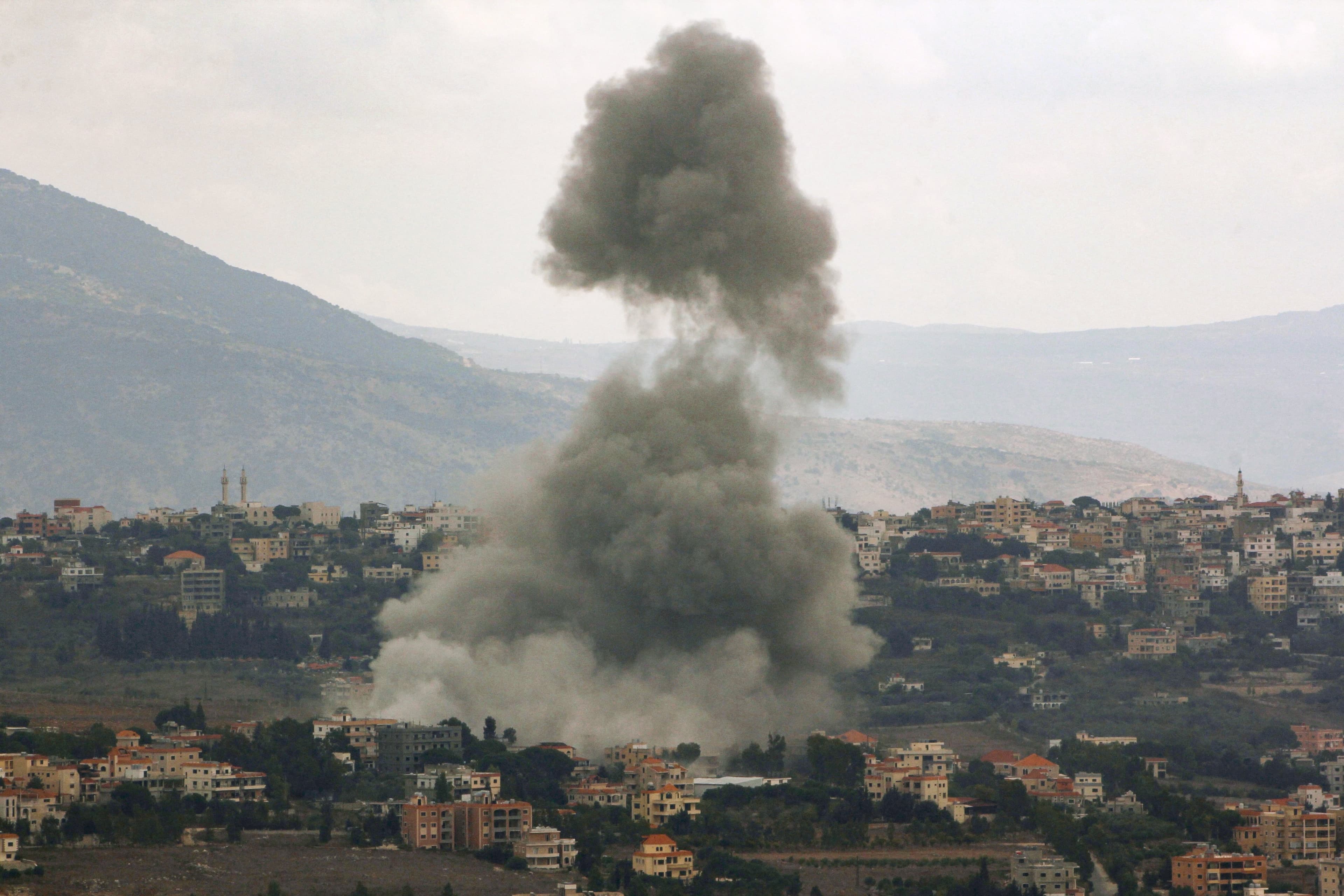
This market will resolve to "Yes" if Israel initiates a drone, missile, or air strike on Greater Beirut between market creation and the listed date, Israel Standard Time (IST). Otherwise, this market will resolve to "No". For the purposes of this market, a qualifying "strike" is defined as the use of aerial bombs, drones, or missiles (including cruise or ballistic missiles) launched by Israeli military forces that impact within Greater Beirut. For the purposes of this market, “Greater Beirut”
What Prediction Markets Are Forecasting
Prediction markets currently estimate about a 67% probability that Israel will conduct an air strike, drone strike, or missile attack on Greater Beirut by March 31, 2026. In simpler terms, traders collectively see a roughly 2 in 3 chance of this military action happening within the next two years. This is not a certainty, but it reflects a significant level of concern that current tensions could escalate into a direct attack on Lebanon's capital region.
Why the Market Sees It This Way
The high probability is tied to the ongoing conflict between Israel and Hezbollah, the Iranian-backed militant group based in Lebanon. Since the war in Gaza began in October 2023, there has been near-daily cross-border fire between Hezbollah and the Israeli military. This fighting has remained largely contained to border areas, but it has intensified at times.
Traders are likely weighing two main factors. First, Israeli leaders have repeatedly stated they will use military force to push Hezbollah away from the northern border, and they have warned that time for a diplomatic solution is running out. Second, a major attack by Hezbollah that causes high Israeli casualties could trigger a much stronger Israeli response, potentially expanding the war to include strikes on Hezbollah's strongholds in the Beirut area. The market's odds suggest many believe these risks are substantial and growing.
Key Dates and Events to Watch
There is no single deadline, but several ongoing processes could change the situation. The outcome of ceasefire and hostage negotiations in Gaza could influence Hezbollah's actions, as the group has linked its attacks to solidarity with Hamas. A successful Gaza deal might reduce border tensions, while a collapse could increase them.
Also watch for statements from Israeli officials about northern border security. Explicit threats to expand the campaign could move the market. Finally, any major attack by either side that breaks the current cycle of tit-for-tat strikes, especially one that causes significant damage or casualties deep inside either country, could sharply increase the perceived likelihood of a strike on Beirut.
How Reliable Are These Predictions?
Prediction markets have a mixed record on geopolitical events that depend on leadership decisions. They often effectively aggregate intelligence about public threats, military postures, and political incentives. However, they can be volatile and react sharply to headlines. For this specific question, the long timeframe (about two years) adds uncertainty. Many unpredictable diplomatic or military developments could occur in that time, meaning the current 67% probability is a snapshot of today's fears, not a fixed forecast. Markets are generally better at forecasting near-term events, so these odds may shift frequently as the situation evolves.
Current Market Outlook
Prediction markets currently assign a 67% probability that Israel will conduct an aerial strike on Greater Beirut by March 31, 2026. This price, translating to roughly 2-to-1 odds, indicates the consensus view leans toward an attack being more likely than not. However, the significant remaining uncertainty, priced at 33%, reflects the high-stakes geopolitical calculations involved. With $228,000 in trading volume, this market has attracted moderate liquidity, suggesting informed participants are actively weighing the risks.
Key Factors Driving the Odds
The elevated probability is directly tied to the ongoing conflict between Israel and Hezbollah. Since October 2023, cross-border exchanges have intensified, with Israeli strikes consistently targeting Hezbollah operatives and infrastructure in southern Lebanon. The market pricing reflects a calculated risk that this conflict could escalate beyond the established frontier. A key driver is Hezbollah's entrenched political and military presence within the Beirut area, including reported offices and facilities that Israel has historically viewed as legitimate targets during periods of open warfare. Recent Israeli statements emphasizing a willingness to take all necessary actions to push Hezbollah away from its northern border provide concrete justification for the market's assessment.
What Could Change These Odds
The primary near-term catalyst is the potential for a major Hezbollah attack that causes significant Israeli military or civilian casualties. Such an event would dramatically increase pressure on the Israeli government to respond forcefully, potentially expanding the theater of operations to include the group's heartland in Beirut. Conversely, successful diplomatic negotiations, possibly mediated by the United States, to de-escalate the northern front could see the "No" shares gain value rapidly. The market's 30-day resolution window captures a period of heightened sensitivity. A decisive Israeli ground operation in southern Lebanon, currently a subject of intense debate within Israel's war cabinet, would also be a major indicator, likely increasing the probability of deeper strikes.
Cross-Platform Analysis
This contract is trading exclusively on Polymarket. The absence of a comparable market on Kalshi, which typically lists U.S.-centric geopolitical events, limits arbitrage opportunities and suggests this specific risk is being assessed primarily by a global, crypto-native audience. The single-platform trading concentrates all liquidity and price discovery here, making the 67% probability the sole consolidated market forecast for this event.
AI-generated analysis based on market data. Not financial advice.