$452.57K
1
1

1 market tracked

No data available
| Market | Platform | Price |
|---|---|---|
![]() | Poly | 4% |
$452.57K
1
1
Trader mode: Actionable analysis for identifying opportunities and edge
This market will resolve to “Yes” if the US government officially announces or confirms that the United States is engaging in military coordination with, or providing military support to, Iranian opposition groups by March 31, 2026, 11:59 PM ET. Otherwise, this market will resolve to “No”. For confirmations to qualify, they must be unambiguous, on-the-record public statements issued by an authorized governmental person or entity, speaking in an official capacity. Informal statements, plans con
AI-generated analysis based on market data. Not financial advice.
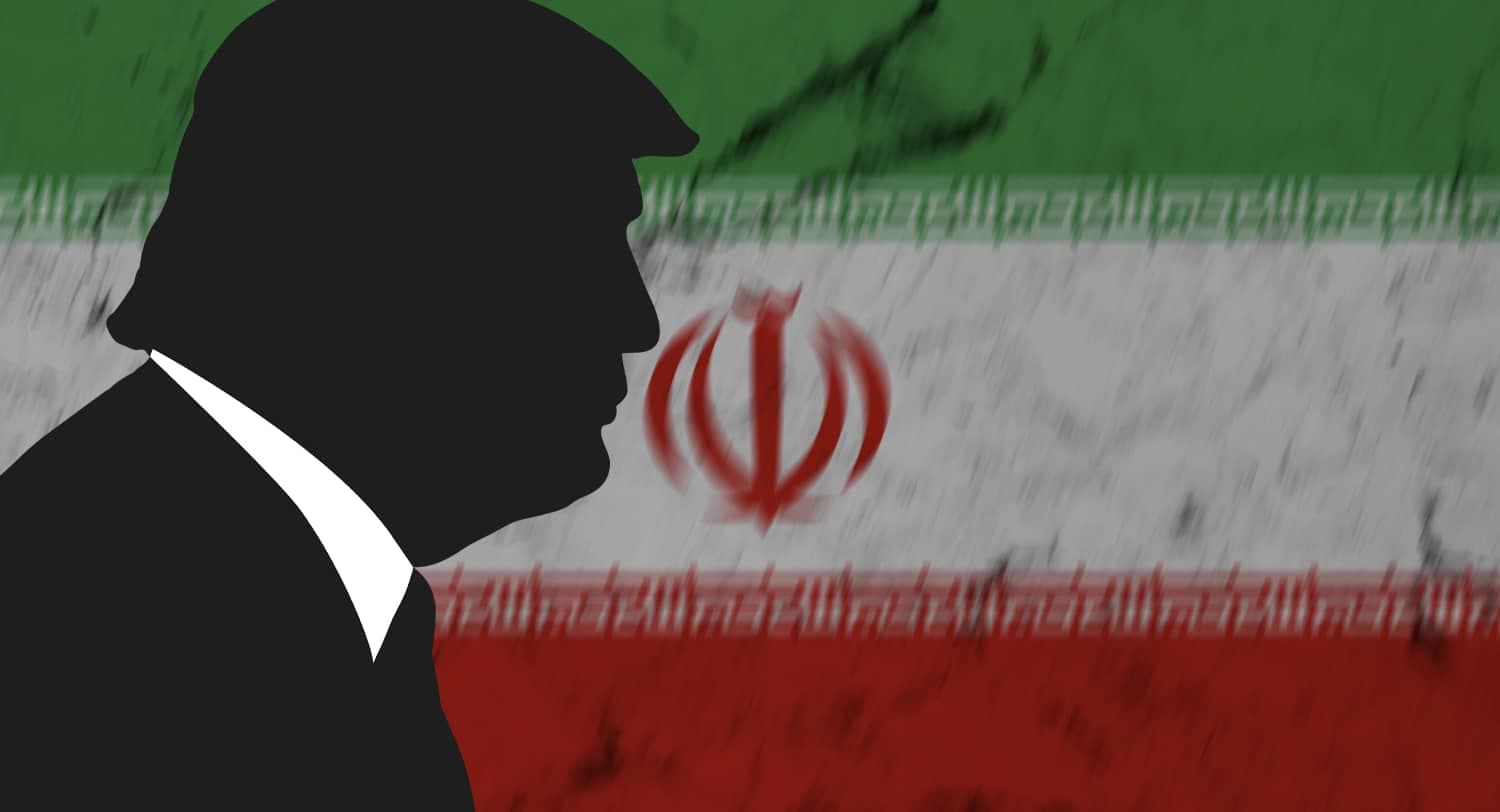
This prediction market addresses whether the United States government will formally announce or confirm military coordination with, or military support for, Iranian opposition groups by March 31, 2026. The question emerges from a long history of U.S.-Iranian tensions and periodic debates within Washington about strategies to counter the Islamic Republic. The U.S. has historically provided various forms of support to opposition elements, but overt military backing would represent a significant escalation in policy. Recent years have seen increased congressional interest in this approach, particularly following nationwide protests in Iran and continued regional instability. The market's resolution depends on unambiguous, on-the-record public statements from authorized U.S. government officials or entities, excluding informal remarks or unconfirmed plans. Interest in this topic stems from its potential to dramatically alter Middle Eastern geopolitics, impact global energy markets, and redefine America's role in the region.
U.S. involvement with Iranian opposition has deep roots. The most direct precedent is the 1953 coup, orchestrated by the CIA and British intelligence, which overthrew Prime Minister Mohammad Mosaddegh and restored the Shah to power. This intervention created lasting anti-American sentiment in Iran. Following the 1979 Islamic Revolution, the U.S. provided covert support to Iraq during the Iran-Iraq War (1980-1988). In the 2000s, the George W. Bush administration allocated funding for democracy promotion programs in Iran, though these were largely non-military. The Obama administration pursued the 2015 nuclear deal (JCPOA), temporarily de-emphasizing opposition support. The Trump administration's 'maximum pressure' campaign, initiated in 2018 after withdrawing from the JCPOA, included rhetoric supportive of Iranian protesters but stopped short of military backing for opposition groups. The Biden administration has continued sanctions while engaging in indirect nuclear talks, maintaining a public stance focused on diplomacy over regime change.
Announcing military support for Iranian opposition would constitute a major shift in U.S. foreign policy, moving from containment and diplomacy toward active pursuit of regime change. This could trigger immediate retaliation from Iran, potentially through attacks on U.S. forces in the region or on allied states like Israel and Saudi Arabia. It would likely destabilize global oil markets, as Iran might threaten shipping in the Strait of Hormuz, through which about 20% of the world's oil passes. Domestically in the U.S., such a decision would spark intense political debate over the risks of another open-ended conflict in the Middle East. For the Iranian people, it could empower opposition groups but also provide the government with a nationalist pretext to crack down on dissent as a defense against foreign intervention.
As of late 2024, the U.S. government has not announced military support for Iranian opposition groups. The Biden administration's stated policy remains focused on diplomacy to constrain Iran's nuclear program and de-escalate regional tensions. However, Congress has shown increased interest. In December 2023, the House of Representatives passed the SHIP Act, which called for a strategy to disrupt Iranian oil exports, though it did not mandate military support for opposition. The administration continues to enforce stringent sanctions and has conducted military strikes against Iran-backed militias in Iraq and Syria in response to attacks on U.S. forces. The situation remains fluid, with the outcome of the 2024 U.S. presidential election likely to shape policy direction in 2025.
The most frequently discussed group is the People's Mujahedin of Iran (MEK), which is part of the National Council of Resistance of Iran (NCRI). Other potential recipients include Kurdish separatist groups like the Kurdistan Free Life Party (PJAK) operating in northwestern Iran, or Balochi insurgent groups in the southeast. U.S. support would likely depend on a group's operational capacity and political objectives aligning with U.S. interests.
There is no publicly confirmed instance of the U.S. providing direct, overt military aid to Iranian opposition groups since the 1979 revolution. There have been periods of covert assistance and significant funding for democracy promotion and broadcasting (like Radio Farda). The closest historical analogy is the CIA's role in the 1953 coup, which supported royalist and military elements against the elected government.
For this market to resolve 'Yes,' the U.S. government must officially announce actions like providing weapons, intelligence sharing for military operations, joint training exercises, or establishing formal military-to-military coordination channels with Iranian opposition groups. Statements of political or moral support, or non-military financial aid, would not qualify.
Iran would almost certainly retaliate. Probable responses include accelerating its nuclear program, ordering attacks on U.S. troops via proxy forces in Iraq and Syria, targeting commercial shipping in the Persian Gulf, and launching cyberattacks on U.S. infrastructure. The government might also intensify domestic repression, framing dissent as collaboration with a foreign enemy.
The President has constitutional authority as Commander-in-Chief to direct military operations, but long-term engagement or substantial aid typically requires congressional authorization. This could come through an Authorized Use of Military Force (AUMF) or specific legislation. The 2001 AUMF against perpetrators of the 9/11 attacks has been used for counterterrorism operations but would be a legally contested basis for action against Iran.
Educational content is AI-generated and sourced from Wikipedia. It should not be considered financial advice.

No related news found
Add this market to your website
<iframe src="https://predictpedia.com/embed/xiwJHf" width="400" height="160" frameborder="0" style="border-radius: 8px; max-width: 100%;" title="US announces military support of Iran opposition by...?"></iframe>